A comprehensive scientific review investigating the internal mycobiota of the Apiaceae family reveals that medicinal plants in this taxonomic group harbor diverse communities of fungal endophytes capable of biosynthesizing valuable bioactive secondary metabolites. Focusing on research published between 2012 and 2025, alongside foundational earlier investigations retrieved from databases such as PubMed, Google Scholar, and ResearchGate, the literature analysis demonstrates that plant-associated fungi across genera including Ammi, Ferula, Ligusticum, Apium, and Foeniculum synthesize compounds displaying marked antimicrobial, antioxidant, and cytotoxic properties. These endophytes engage in symbiotic relationships ranging from mutualistic to parasitic within healthy plant tissues without triggering immediate disease symptoms. The resulting metabolic repertoire spans multiple distinct chemical classes, such as polyketides, terpenoids, alkaloids, quinoline and quinazoline derivatives, cyclodepsipeptides, phenolic compounds, and lactone-based structures, highlighting the substantial therapeutic and agricultural bioprospecting potential inherent in Apiaceae-associated fungal communities.
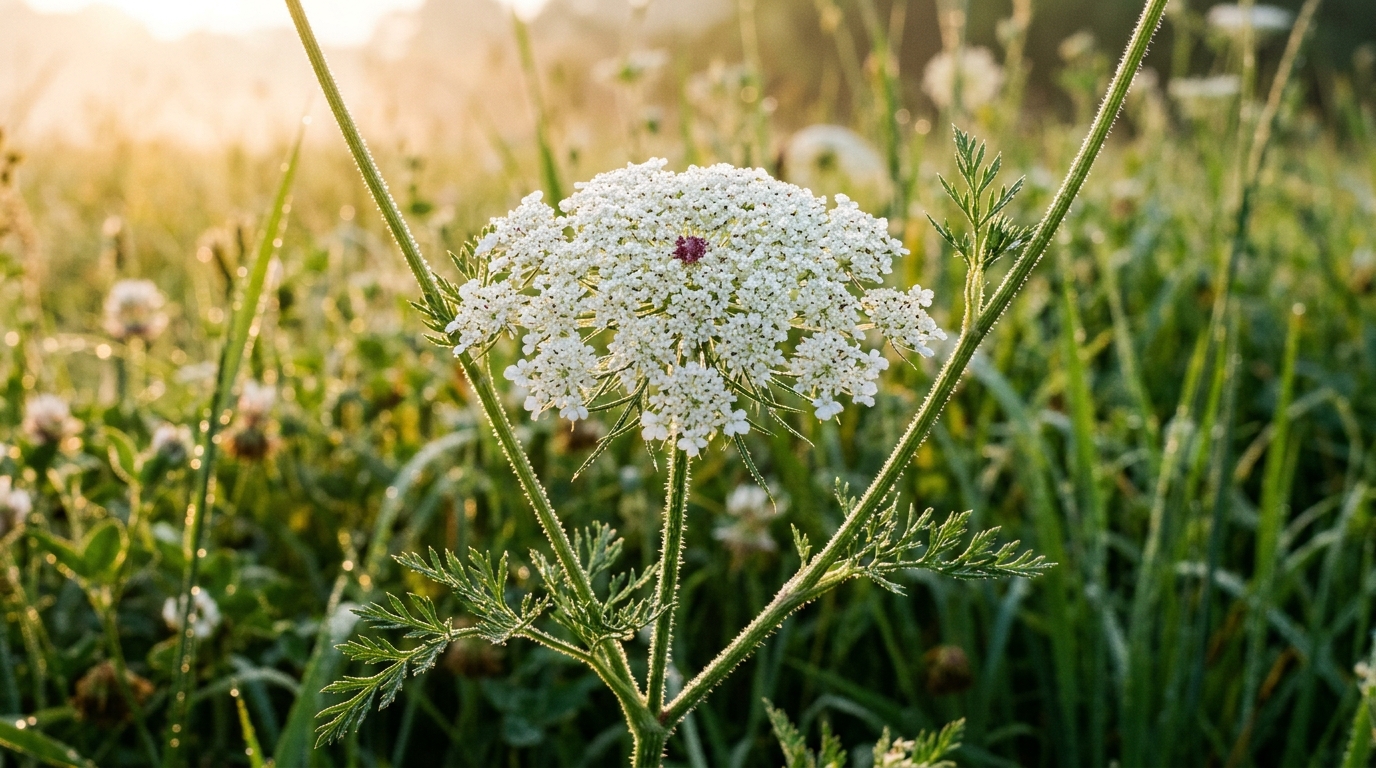
The Apiaceae family, formerly recognized as Umbelliferae, constitutes a major flowering plant assemblage comprising approximately 3,780 species distributed across 434 genera. Known colloquially as the parsley or carrot family, this botanical group encompasses economically critical aromatic herbs and cultivated vegetables, including Anethum graveolens, Anthriscus cerefolium, Angelica species, Apium graveolens, Carum carvi, Coriandrum sativum, Cuminum cyminum, Ferula gummosa, and Pimpinella anisum, alongside ornamental taxa like Trachymene caerulea and Eryngium maritimum. Throughout evolutionary history, continuous co-evolution between host plants and internal colonizers has established specialized symbiotic associations that influence plant metabolism, host health, and the accumulation of secondary metabolites. While host plants produce flavonoids like luteolin, kaempferol, quercetin, and apigenin, alongside phenylpropanoids, coumarins, and acetylenes, their fungal symbionts frequently expand this chemical versatility by synthesizing high-value natural products.
Initial bioprospecting investigations highlighted in the review demonstrate the direct biological activities achievable through Apiaceae endophytes and associated plant extracts. For instance, endophytic fungi isolated from Anethum graveolens, representing genera such as Diaporthe, Trichoderma, Penicillium, and Fusarium, demonstrated potent antibacterial and anticancer properties, with crude fungal extracts attaining 89 to 92 percent inhibition against human hepatocellular carcinoma cells in laboratory assays, while host plant extract demonstrated 95 percent inhibition. In agricultural contexts, beneficial microorganisms demonstrate vital roles in disease mitigation and crop vigor, as seen in cumin cultivation where strains of Brevibacillus parabrevis and Pseudomonas fluorescens effectively suppressed plant pathogens while enhancing essential agronomic growth parameters. These specific interactions underscore how fungal isolates such as Penicillium, Fusarium, Sordariomycetes, and Scopulariopsis not only bolster host resilience against biotic and abiotic stresses, but also yield specialized metabolites with direct pharmacological and agricultural utility.
Within the genus Ferula, representing the third largest assemblage of perennial herbs in the family with approximately 180 to 185 species centered in Iran and Afghanistan, fungal endophytes contribute notably to chemical diversity. Iranian native and endemic taxa such as Ferula assafoetida, Ferula gummosa, and Ferula persica are known producers of sesquiterpenes, terpenoids, and gum resins. Investigations into Ferula-associated fungi show that Alternaria tenuissima isolated from Ferula assa-foetida synthesizes rosmarinic acid, a secondary metabolite exhibiting neuroprotective activities, while additional isolates from the same species encompass Fusarium, Aspergillus, and Plectosphaerella. Similarly, endophytic Fusarium and Aspergillus strains isolated from Ferula foetida produce the bioactive compound austalides O. In Ferula ovina, isolated Pithoascus persicus yields stylosin, which displays cytotoxic properties, whereas Ochroconis ferulica biosynthesizes tschimgine, a compound investigated for its therapeutic relevance in Alzheimer’s disease research, illustrating the genus as an attractive microbial drug discovery reservoir.
The botanical species Ammi majus, native to the Nile Valley regions of Beheira and Fayoum in Egypt and distributed across the Mediterranean basin, West Africa, and Iran, presents another distinct endophytic niche. Traditionally utilized as a diuretic, an emmenagogue to regulate menstrual cycles, and a treatment for nephrolithiasis and urinary tract infections, Ammi majus is renowned for furanocoumarins and flavonoids used in managing dermatological disorders like psoriasis and vitiligo. Mycological profiling identified that the fungal endophyte Aspergillus amstelodami, isolated from Ammi majus fruits, produces prenylated benzaldehyde derivatives including dihydroauroglaucin, tetrahydroauroglaucin, and isotetrahydroauroglaucin, which demonstrate notable antimicrobial and antibiofilm activities. Furthermore, wild specimens of Ammi majus harbor an expansive assemblage of fungal isolates, including Alternaria perangusta, Alternaria tenuissima, Alternaria turkisafria, Aspergillus flavus, Macrophomina phaseolina, Microascus cinereus, and dark mycelia sterilia, which represent significant reservoirs characterized by elevated enzymatic activity and substantial enzyme biosynthesis capacity.
Endophytic fungi associated with Bupleurum species offer notable therapeutic insights, particularly concerning liver protection and anti-inflammatory pathways. The dried roots of Bupleurum chinense and Bupleurum scorzonerifolium, known in Asian traditional medicine as Radix bupleuri or Chaihu, contain triterpenoid saponins, lignans, polysaccharides, fatty acids, and essential oils that exhibit hepatoprotective, antiviral, antipyretic, and anti-inflammatory properties. Endophytic fungal strains of Fusarium oxysporum and Fusarium acuminatum isolated from Bupleurum scorzonerifolium have been identified for their production of saikosaponin D, a secondary metabolite displaying antitumor, anti-inflammatory, and immunomodulatory properties. Research indicated that saikosaponin D alleviated liver injury induced by chloroform and phenobarbitone in rats, decreased lipid peroxidation, and improved liver function parameters. In separate investigations using dimethylnitrosamine-induced liver injury models, saikosaponin D significantly reduced collagen I accumulation, lowered oxidative stress-related enzymes, and decreased transforming growth factor beta 1 concentrations, demonstrating measurable protection against reactive oxygen species.
Species-specific colonization patterns remain evident across Bupleurum taxa, where Bupleurum gibraltarium hosts Kabatiella bupleuri and Aureobasidium pullulans, an organism recognized for biocontrol capabilities and extracellular enzyme secretion, while Bupleurum scorzonerifolium yielded Fusarium acuminatum HM06832 alongside Fusarium oxysporum. In parallel, Centella asiatica, a perennial medicinal herb native to India, China, Madagascar, Mexico, Venezuela, and South-East America, harbors fungal endophytes capable of biosynthesizing pharmacologically valuable triterpenoid saponins. The plant’s leaves are naturally rich in polyacetylenes, flavonoids, triterpenoids, and phenolic acids, supporting documented anti-inflammatory, antioxidant, wound-healing, and memory-enhancing properties. Microbial endophytes associated with Centella asiatica, encompassing genera such as Colletotrichum, Fusarium, Aspergillus, Penicillium, Pestalotiopsis, and Lasiodiplodia, colonize multiple host tissues. Notably, Colletotrichum species produce the triterpenoid saponin asiaticoside in vitro. Both asiaticoside and madecassoside mitigate inflammation by suppressing pro-inflammatory mediators, reducing oxidative stress, and modulating key inflammatory signaling pathways.
Ecological surveys of Centella asiatica confirm significant taxonomic breadth and pronounced organ-specific variation across colonizing fungal endophytes. Molecular characterization utilizing internal transcribed spacer sequencing of ribosomal DNA conducted on wild Centella asiatica in Arunachal Pradesh revealed that endophytic mycobiota is dominated by Ascomycetous genera. The dominant fungi identified included Aspergillus, Penicillium, Fusarium, Colletotrichum, Alternaria, Cladosporium, Curvularia, Nigrospora, Chaetomium, and Trichoderma, alongside less frequent isolates of Phoma, Phomopsis, Epicoccum, Pestalotiopsis, and Daldinia. Across botanical structures, leaves exhibited the highest colonization frequency and species richness, followed by roots and stems. Complementary investigations into foliar endophytes identified Phialophora, Glomerella, and Guignardia species, while Penicillium species Nirjan22 demonstrated positive screening for phenols, alkaloids, and cardiac glycosides. Although endophytes from Fusarium, Aureobasidium, and Lasiodiplodia inhabit multiple tissues, only a limited number have been experimentally confirmed to biosynthesize centellosides, underscoring the necessity of fermentation optimization.
The genus Apium, widely distributed throughout the Mediterranean, Australia, New Zealand, South Africa, and South America, hosts a diverse suite of endophytic fungi including Acremonium strictum, Alternaria alternata, Alternaria radicina, Fusarium oxysporum, Fusarium solani, Plectosporium tabacinum, and Verticillium nigrescens. Metabolomic profiling of Aspergillus species isolated from Apium graveolens revealed remarkable chemical diversity backed by specific bioactivities. Aspergillus species OUCMDZ-1583 produced aspergone M, which exhibited significant alpha-glucosidase inhibitory action, while Aspergillus strain 16-02-1 yielded the anti-inflammatory metabolite aspilactonol D. Bioactivity screens revealed that Aspergillus niger produced asperitaconic acid A active against Staphylococcus aureus, whereas Aspergillus puniceus SCSIO z021 synthesized puniceusine G, displaying activity against Staphylococcus aureus and methicillin-resistant Staphylococcus aureus. Furthermore, Aspergillus carneus generated antimicrobial carneamide A, Aspergillus ustus produced ustusorane E showing cytotoxicity against human promyelocytic leukemia HL-60 cells, Aspergillus species SCSIOW2 produced antifungal dihydrobipolaroxin B, Aspergillus versicolor D5 synthesized versicone J, and Aspergillus ochraceopetaliformis produced anti-inflammatory aspormisin A.
In Ligusticum chuanxiong, a medicinal plant within the Apiaceae family historically used in traditional Chinese medicine to promote blood circulation, resolve blood stasis, and manage ischemic conditions, headaches, and menstrual symptoms, endophytes generate diverse secondary metabolites. While Ligusticum chuanxiong contains over 170 secondary metabolites across terpenes, polysaccharides, alkaloids, organic acids, and esters, its internal fungi supply additional chemical complexity. Endophytic Simplicillium species, Penicillium oxalicum, and Colletotrichum species produce phenolic compounds exhibiting antioxidant and antibacterial activities, with Penicillium oxalicum exhibiting the highest phenolic content and strongest bioactivity. Surveys also detected isolates of Fusarium, Alternaria, Aspergillus, Cladosporium, Chaetomium, Trichoderma, Epicoccum, and Nigrospora. In addition, Fusarium tricinctum isolated from Ligusticum chuanxiong yielded two novel compounds containing a tetrahydrofuran moiety. The first compound, with an R-configuration at the chiral center, exhibited moderate cytotoxicity, while the corresponding S-configured compound displayed weaker or untested bioactivity.
Investigations of Foeniculum vulgare, widely utilized in traditional medicine, essential oils, dyes, and cosmetic applications, demonstrate that fennel also harbors chemically prolific fungal endophytes. Endophytic Aspergillus species isolated from Foeniculum produce a vast array of metabolites, including fumigaclavine I, 1-O-methyl-sulochrin-4′-sulfate, questin, 1-O-methyl-sulochrin, laccaic acid, isorhodoptilometrin, vermelone, fumigaclavine A, fumigaclavine C, fumitremorgin C, fumigaquinazoline C, tryptoquivaline J, trypacidin, and protocatechuic acid, exhibiting antioxidant properties, moderate to weak cytotoxicity, and limited antimicrobial effects. Isolated Alternaria strains synthesize tenuazonic acid with recognized herbicidal properties, while Fusarium species produce cyclic depsipeptides, namely enniatins and beauvericin. These depsipeptides display marked cytotoxic actions against human cancer lineages, including HeLa cervical cancer and HepG2 hepatocellular carcinoma cells. Given that global cancer incidence accounts for roughly 5,250 new cases and 1,670 deaths each day, exploring these fungal symbionts provides a compelling, sustainable pathway for future pharmacological and agricultural bioprospecting.
Subject of Research: Bioactive secondary metabolites produced by fungal endophytes isolated from Apiaceae medicinal plants
Article Title: Isolated endophytes from selected genera of family Apiaceae: an updated review
Article References: Khaled, J., El-Ezz, R. F. A., Elnaggar, M. S., & Mostafa, N. M. (2026). Isolated endophytes from selected genera of family Apiaceae: an updated review. Future Journal of Pharmaceutical Sciences, 12(1), Article 74. https://doi.org/10.1186/s43094-026-01000-y
Image Credits: AI Generated
DOI: 10.1186/s43094-026-01000-y
Keywords: Apiaceae, endophytic fungi, secondary metabolites, drug discovery, bioprospecting, natural products, pharmacology, medicinal plants, Isolated, endophytes, selected, genera
News Source: Louis Brooks. (November 7, 2026). Apiaceae Plant Endophytes Yield Diverse Bioactive Molecules for Drug Discovery. Scienmag.