


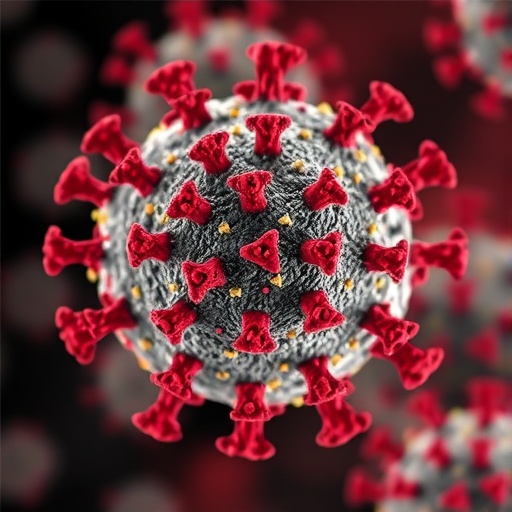
In the realm of viral research, the constant search for effective antiviral agents against emerging pathogens continues to be of utmost importance. A recent study highlighted in BMC Complementary Medicine and Therapies provides remarkable insights into the potential of three naturally derived compounds: glycyrrhizin, curcumin, and harmaline. Conducted by Grüneberg, Zydek, Elsner, and their colleagues, this research investigates the dose-dependent antiviral effects of these compounds specifically against clinically relevant isolates of SARS-CoV-2, including variants such as D614G, Omicron BA.5, and Omicron XBB.1. The implications of these findings are significant, particularly in the ongoing battle against COVID-19 and its variants.
The introduction of this research sheds light on the urgent need for effective antiviral strategies in managing COVID-19. While vaccines have played a crucial role in controlling the spread of the virus, the emergence of variants has posed significant challenges. The ability of SARS-CoV-2 to mutate and develop resistance to therapies complicates treatment regimens. This study, therefore, aims to explore alternative therapeutic agents that may enhance our arsenal against the virus. By focusing on naturally sourced compounds, the researchers not only hope to discover effective treatments but also address the growing concern over side effects associated with synthetic antiviral medications.
Glycyrrhizin, extracted from the root of the licorice plant, has been highlighted for its potential antiviral properties. Its historical use in traditional medicine positions it as a candidate worth investigating for contemporary virology. Previous studies have shown that glycyrrhizin can inhibit the replication of several viruses, including those that cause respiratory illnesses. The current research expands on this knowledge by examining its efficacy specifically against SARS-CoV-2 and its more formidable variants.
Curcumin, the active compound in turmeric, is another compound receiving attention for its protective effects against viral infections. Known for its anti-inflammatory and antioxidant properties, curcumin has shown promise in mitigating the severity of various viral pathogens. The researchers hypothesized that its multifaceted action might prove beneficial in battling SARS-CoV-2, providing both antiviral benefits and ancillary health effects that could improve the overall well-being of patients.
Harmaline, a lesser-known compound derived from plants such as Peganum harmala, has also emerged as a point of interest in this study. Traditionally recognized for its psychoactive properties, harmaline has been suggested to possess antiviral characteristics. Recent investigations have begun to reveal its potential for inhibiting viral replication, positioning it as a novel candidate for further exploration against SARS-CoV-2.
The methodology adopted in this research was comprehensive, ensuring the reliability of the results. The study employed a range of in vitro assays to assess the antiviral effects of glycyrrhizin, curcumin, and harmaline against various clinical isolates of SARS-CoV-2. By focusing on dose-dependent outcomes, the researchers could establish a clear correlation between the concentration of each compound and the resultant antiviral efficacy. This approach allows for a more nuanced understanding of how these compounds can be integrated into potential therapeutic regimens.
Remarkably, the study reported that all three compounds exhibited dose-dependent activity against SARS-CoV-2 isolates, with variations in effectiveness observed based on the specific strain tested. This finding is critical: it highlights not only the potential for these natural compounds as antiviral agents but also underscores the necessity for careful quantification of doses in therapeutic applications. As variants continue to emerge, understanding these nuances could greatly influence treatment protocols.
Among the isolates tested, the D614G variant of SARS-CoV-2 was of particular interest. This variant has been widely studied due to its increased transmissibility and potential implications for vaccine efficacy. The research indicated that glycyrrhizin showed promising results against this variant, paving the way for further investigations into its clinical applicability. In addition, curcumin and harmaline were similarly effective, albeit at different concentrations, suggesting that multi-target approaches could yield enhanced therapeutic outcomes.
As the study progressed to variant strains, the team specifically investigated Omicron BA.5 and XBB.1. These variants have garnered global attention due to their distinct mutations and corresponding impacts on public health. Notably, the findings suggested that glycyrrhizin, curcumin, and harmaline maintained varied degrees of antiviral activity against these strains, raising hope for their utility in future clinical settings. The researchers emphasize that ongoing investigations are critical to fully elucidate the mechanisms of action at play.
A particularly exciting aspect of this research is its alignment with a broader movement toward natural products in drug discovery. As the medical community increasingly recognizes the value of phytochemicals, studies like this serve to validate traditional medicine’s role in modern therapeutics. By systematically evaluating and confirming the efficacy of these compounds, researchers open new avenues for developing adjunct therapies that can complement existing treatments and improve patient outcomes.
However, the study does not come without challenges. The authors note that while in vitro results are promising, additional research is necessary to determine the pharmacokinetics and safety profiles of these compounds in vivo. Human trials will be essential for translating these findings into clinical practice and assessing the practical applications of these natural compounds in treating COVID-19 patients.
Moreover, the interactions of glycyrrhizin, curcumin, and harmaline with conventional antiviral therapies warrant thorough investigation. Understanding how these compounds could be integrated with existing treatment modalities will be pivotal, particularly for clinicians managing patients with complex medical histories or those receiving other medications. Continued multidisciplinary collaboration will be necessary to explore these considerations deeply.
In conclusion, this study marks an important milestone in the quest for effective antiviral therapies against SARS-CoV-2 and its variants. The insights provided by Grüneberg and colleagues into the dose-dependent effects of glycyrrhizin, curcumin, and harmaline underscore the necessity for innovative approaches in combating viral infections. As researchers continue to decode the interplay between natural compounds and viral pathogens, there exists great hope for developing new treatment strategies that are both effective and safe, thus providing a much-needed boost in the fight against pandemics.
As the healthcare community advances into the next phase of managing COVID-19, studies like this not only serve to enrich our understanding of potential treatment options but also push the boundaries of what is considered viable in antiviral research. With a concerted effort towards further investigation and validation, the compounds explored in this research might soon find their place in clinical guidelines, offering renewed hope and therapeutic avenues for those affected by SARS-CoV-2 and its emergent variants.
Subject of Research: Antiviral effects of glycyrrhizin, curcumin, and harmaline against SARS-CoV-2
Article Title: Dose-dependent antiviral effects of glycyrrhizin, curcumin, and harmaline against clinical SARS-CoV-2 isolates, including D614G, Omicron BA.5, and Omicron XBB.1.
Article References:
Grüneberg, R., Zydek, I., Elsner, C. et al. Dose-dependent antiviral effects of glycyrrhizin, curcumin, and harmaline against clinical SARS-CoV-2 isolates, including D614G, Omicron BA.5, and Omicron XBB.1.
BMC Complement Med Ther (2026). https://doi.org/10.1186/s12906-026-05253-1
Image Credits: AI Generated
DOI: 10.1186/s12906-026-05253-1
Keywords: glycyrrhizin, curcumin, harmaline, SARS-CoV-2, D614G, Omicron BA.5, Omicron XBB.1, antiviral effects, natural compounds, dose-dependent
Tags: alternative treatments for COVID-19antiviral strategies against emerging pathogenschallenges in COVID-19 treatment regimenscomplementary medicine in viral researchcurcumin antiviral propertiesdose-dependent antiviral effectsglycyrrhizin effectiveness against SARS-CoV-2harmaline and COVID-19natural antiviral compoundsnatural remedies for viral infectionsSARS-CoV-2 variants D614G Omicron BA.5 XBB.1side effects of synthetic antivirals



