


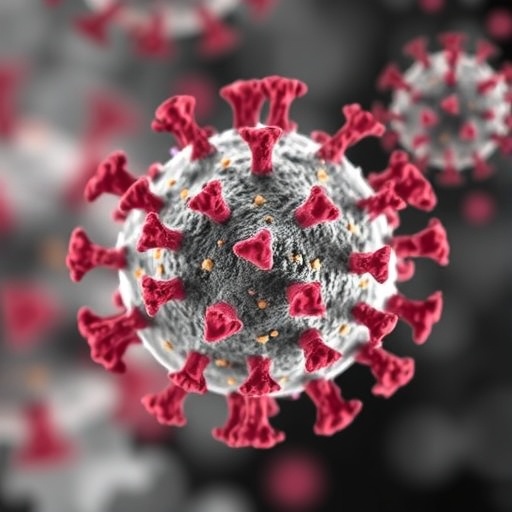
The COVID-19 pandemic has brought about unprecedented challenges across various sectors, but one of the critical issues that have emerged is the rise of antimicrobial resistance (AMR), particularly concerning pathogens like Group A Streptococcus (GAS). This is the focus of a new study conducted in Shenzhen, China, which has unveiled startling insights into the antimicrobial susceptibility patterns of GAS isolates obtained from patients during this tumultuous period. With the health community grappling with both the COVID-19 virus and other infectious diseases, understanding the dynamics of GAS in this context is essential.
The research, led by Lu Q., Yu D., and Liang Y., aims to fill an urgent gap in knowledge regarding the behavior of GAS during the pandemic. Generally known for causing illnesses ranging from pharyngitis to more severe complications like rheumatic fever, the evolution of GAS resistance during a global health crisis raises critical public health questions. The study reflects a growing concern that the ongoing pandemic could exacerbate the issue of AMR, an already significant threat to global health.
The study’s authors embarked on extensive sampling, collecting GAS isolates from various healthcare facilities in Shenzhen. The pandemic has altered the healthcare landscape, with changes in patient flow, diagnostic attention, and treatment protocols. Therefore, it is crucial to analyze whether these changes have had an impact on the bacterium’s resistance patterns. The authors meticulously outlined their methodology, allowing for transparency and reproducibility in their findings. This attention to detail underscores the importance of empirical data in understanding AMR trends over time.
One of the significant findings of the research is the alarming rate of resistance observed in the GAS isolates. The study indicates that resistance to commonly used antibiotics, such as penicillin and macrolides, has markedly increased during the pandemic. This stark rise could potentially lead to treatment failures for conditions that were once easily manageable. Health authorities worldwide need to take heed of these findings as they signal an urgent need for revised treatment guidelines and protocols, especially in pediatric populations, where GAS infections are notably common.
Moreover, the research sheds light on potential factors that contributed to this increase in resistance. The authors suggest that the disruptions and shifts in healthcare practices during the pandemic—like the postponement of non-COVID medical care, altered antibiotic prescribing practices, and increased self-medication—may have played significant roles in amplifying resistance patterns among these bacterial isolates. This correlation between the pandemic and AMR underlines the complex interplay of clinical practice, patient behavior, and microbial evolution.
Another crucial aspect of the study is its focus on the clinical characteristics of the patients involved. By examining the demographics and the medical histories of those from whom the GAS isolates were derived, the researchers provide insights into how underlying health conditions and demographic factors may influence both infection rates and antibiotic resistance. Such findings are pivotal for developing targeted interventions that can effectively combat both GAS infections and the rising tide of antimicrobial resistance.
In discussing the implications of the study, it is essential to recognize the role of public health interventions. The authors advocate for enhanced surveillance of GAS infections and a concerted effort to educate healthcare professionals about prudent antibiotic use. Moreover, they emphasize the need for innovative treatment strategies and robust vaccine development to protect vulnerable populations from GAS. As AMR escalates, these public health measures become increasingly critical in safeguarding future generations from infectious diseases.
As the global community continues to navigate the repercussions of COVID-19, studies like this one serve as crucial reminders of the interconnectedness of various health challenges. The findings are indicative of a broader trend that could threaten healthcare systems if left unaddressed. With antibiotic resistance on the rise, the importance of fostering a knowledgeable and proactive healthcare workforce cannot be overstated.
Moreover, the need for interdisciplinary collaboration becomes clear. Combating AMR requires insights not only from microbiologists but also from epidemiologists, healthcare providers, and public health officials. Collaborative efforts can pave the way forward, enabling the development of comprehensive strategies that address both immediate health concerns and long-term challenges posed by resistance.
As the research unfolds, it beckons questions about the future landscape of infectious disease management. Will the rise of resistance percentages among GAS mean a return to dark ages of pre-antibiotic medicine? Or will it stimulate innovation in therapy and diagnostics, resulting in new tools to manage infections efficiently? In times of great uncertainty, one aspect remains clear: vigilance and adaptability will be key in the ongoing battle against antimicrobial resistance.
Public engagement also plays an indispensable role in addressing the AMR crisis. As the study advocates for awareness of antibiotic stewardship among the general populace, it is important to convey messages about responsible antibiotic use and the dangers of self-medication. The synergy of public understanding and clinical practice could become a formidable ally in combating the rising tide of resistance.
In conclusion, the research into the antimicrobial resistance of Group A Streptococcus isolates during the COVID-19 pandemic elucidates an urgent public health challenge. The implications of rising resistance underscore the importance of continued vigilance and proactive responses from the healthcare community and governmental health agencies. As we look ahead, addressing AMR will require a concerted effort at multiple levels, fostering resilience in our healthcare systems as we navigate the ongoing challenges posed by infectious diseases.
The findings of this study will undoubtedly act as a springboard for future research, exploring the effects of the pandemic on various microbial pathogens and the broader implications for global public health. The journey towards understanding and combating antimicrobial resistance is ongoing, but it is crucial that we remain steadfast in our commitment to emerging from this crisis with renewed strategies and an unyielding determination to protect public health.
Subject of Research: Antimicrobial resistance of Group A Streptococcus isolates
Article Title: Antimicrobial resistance of Group A Streptococcus isolates from patients in Shenzhen, China during COVID-19 pandemic
Article References:
Lu, Q., Yu, D., Liang, Y. et al. Antimicrobial resistance of Group A Streptococcus isolates from patients in Shenzhen, China during COVID-19 pandemic.
BMC Pediatr (2026). https://doi.org/10.1186/s12887-025-06448-0
Image Credits: AI Generated
DOI: 10.1186/s12887-025-06448-0
Keywords: Antimicrobial resistance, Group A Streptococcus, COVID-19, public health, pediatric infections.
Tags: antimicrobial resistance in Group A StreptococcusCOVID-19 impact on infectious diseasesevolving pathogens during health crisesGAS susceptibility patterns during pandemicglobal health threats from AMRGroup A Strep complications and resistancehealthcare changes during COVID-19pandemic effects on bacterial infectionspublic health challenges of AMRresearch on Streptococcus pneumoniae and COVID-19Shenzhen antimicrobial resistance studyunderstanding GAS behavior in COVID era



