In a groundbreaking study that challenges long-held assumptions about cellular metabolism and kidney health, researchers have revealed that AMP-activated protein kinase (AMPK), a critical energy sensor within cells, is surprisingly non-essential for normal podocyte and glomerular function. Yet, intriguingly, AMPK plays a pivotal protective role against glomerular fibrosis—a key pathological feature seen in diabetic kidney disease. Published in Cell Death Discovery in 2026, this research offers new mechanistic insights into the molecular underpinnings of diabetic nephropathy and opens promising avenues for therapeutic intervention.
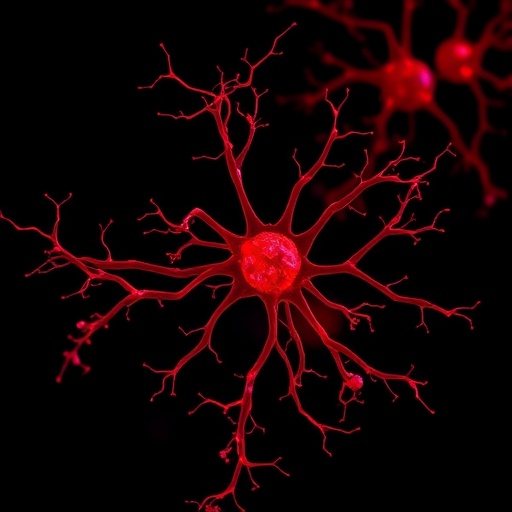
Podocytes, specialized epithelial cells lining the outer surface of glomerular capillaries, are integral to the kidney’s filtration barrier, ensuring selective blood filtration while preventing protein loss. Any dysfunction in podocytes can lead to proteinuria and progressive glomerular injury, hallmark features of kidney disease. AMPK has previously been regarded as a crucial regulator of cellular energy homeostasis and has been postulated to be indispensable in maintaining podocyte and glomerular integrity. However, the comprehensive in vivo analysis conducted by Srivastava et al. upends this paradigm by demonstrating AMPK’s dispensability under physiological conditions.
The researchers utilized genetically engineered mouse models with podocyte-specific deletion of the AMPK catalytic subunits, thereby abrogating its function solely in the targeted cell population. These conditional knockouts exhibited no overt impairments in podocyte morphology, glomerular architecture, or basal renal function. Urinary albumin excretion remained akin to wild-type counterparts, suggesting that AMPK is not vital for steady-state glomerular filtration or podocyte survival. This surprising observation prompts a reevaluation of the metabolic dependencies of podocytes under normal physiological conditions.
While AMPK’s role appeared redundant in healthy kidneys, the scenario markedly shifted under diabetic stress conditions. Using experimental models of streptozotocin-induced diabetes, a well-established proxy for type 1 diabetes, the team found that absence of AMPK in podocytes accelerated the development of glomerular fibrosis. This maladaptive scarring disrupts the structural integrity of the glomerulus and contributes to kidney failure. Mice lacking podocyte AMPK displayed exaggerated mesangial expansion, increased deposition of extracellular matrix components, and enhanced pro-fibrotic signaling pathways, highlighting AMPK’s critical involvement in countering fibrotic responses.
At the molecular level, the study delved into the signaling cascades affected by AMPK deletion during diabetic insult. The absence of AMPK was linked to unchecked activation of transforming growth factor-beta (TGF-β) pathways, a master regulator of fibrosis. Furthermore, oxidative stress markers were elevated in the mutant glomeruli, implying that AMPK may exert antioxidative effects that mitigate damage under hyperglycemic conditions. These findings suggest that AMPK functions as a molecular safeguard, orchestrating countermeasures to prevent the transition from reversible injury to irreversible fibrosis in diabetic kidneys.
Importantly, the study disentangles the dichotomy between AMPK’s negligible role in basal renal physiology and its indispensable function in pathological contexts. This nuanced understanding refines our grasp of kidney metabolism and challenges the notion that AMPK activation is uniformly beneficial. Instead, it underscores a selective, context-dependent role, whereby AMPK’s protective capacities are mobilized predominantly during metabolic and oxidative stress, such as that imposed by diabetes.
This revelation carries profound therapeutic implications. Current diabetes management strategies focus largely on glycemic control and blood pressure regulation but offer limited options specifically targeting renal fibrosis. By illuminating AMPK’s antifibrotic role, Srivastava and colleagues provide a compelling rationale to explore AMPK activators or mimetics as adjunctive agents capable of forestalling diabetic nephropathy progression. Future drug design could harness this pathway to bolster the kidney’s intrinsic defense mechanisms and improve patient outcomes.
Moreover, the findings call for a reevaluation of AMPK’s systemic functions beyond the kidney. Given the kinase’s involvement in diverse tissues, deciphering its cell-type specific roles could help reconcile conflicting results in metabolic disease research. The podocyte-selective knockout approach elegantly demonstrates that systemic inhibition or activation of AMPK might have tissue-dependent consequences, emphasizing the need for tailored therapeutic strategies.
The study also highlights the importance of studying disease mechanisms in a cell-specific manner. Global knockout models often mask nuanced interactions and compensatory mechanisms that become apparent only when gene function is selectively abrogated. This precision allows researchers to dissect the compartmentalized biology of complex organs like the kidney, where different cell types contribute uniquely to health and disease.
In conclusion, this landmark research challenges conventional wisdom by demonstrating that AMPK, while not essential for normal podocyte or glomerular function, serves as a crucial modulator that protects against fibrosis under diabetic conditions. This dualistic role not only advances our understanding of kidney pathophysiology but also sheds light on potential therapeutic targets capable of mitigating the burden of diabetic kidney disease—a leading cause of morbidity and mortality worldwide.
As diabetes continues to escalate globally, resulting in a surge of chronic kidney disease cases, insights like these are indispensable. They pave the way for innovative treatments that go beyond symptomatic relief, aiming instead to preserve organ structure and function at the molecular level. AMPK emerges not just as a metabolic enzyme but as a guardian of renal health under duress, holding promise for the future of precision nephrology.
The meticulous methodological approach and robust data presented by Srivastava et al. stand as a hallmark for future biomedical investigations. Their work exemplifies how focused molecular studies can lead to paradigm-shifting discoveries with far-reaching clinical implications. The field eagerly anticipates follow-up studies to explore how AMPK-targeting drugs might translate from bench to bedside in combating diabetic renal fibrosis.
Ultimately, this research reshapes the narrative surrounding AMPK’s role in kidney biology and invites the scientific community to rethink therapeutic strategies in diabetes-associated renal disease. By demystifying the kinase’s complex functions, it propels a new era of research focused on preserving kidney health through metabolic modulation.
Subject of Research:
Article Title:
Article References: Srivastava, S.P., Kopasz-Gemmen, O., Kunamneni, A. et al. AMPK is dispensable for physiological podocyte and glomerular functions but prevents glomerular fibrosis in experimental diabetes. Cell Death Discov. (2026). https://doi.org/10.1038/s41420-026-03078-y
Image Credits: AI Generated
DOI: https://doi.org/10.1038/s41420-026-03078-y
Keywords:
Tags: AMPK and glomerular capillary healthAMPK and kidney cell energy homeostasisAMPK as a protective factor in kidney fibrosisAMPK role in diabetic nephropathyAMPK signaling in renal cellscellular energy homeostasis in kidneyscellular metabolism in diabetic glomerular diseasediabetic kidney disease mechanismsdiabetic kidney disease molecular pathwaysenergy metabolism in kidney cellsenergy metabolism in podocytesgenetic mouse models for kidney researchglomerular fibrosis preventionglomerular fibrosis prevention mechanismsmolecular pathways of glomerular injurypodocyte function in glomerular filtrationpodocyte function in kidney diseasepodocyte-specific AMPK deletionpodocyte-specific AMPK deletion effectsproteinuria and kidney functionproteinuria and podocyte injurytherapeutic targets for diabetic nephropathy