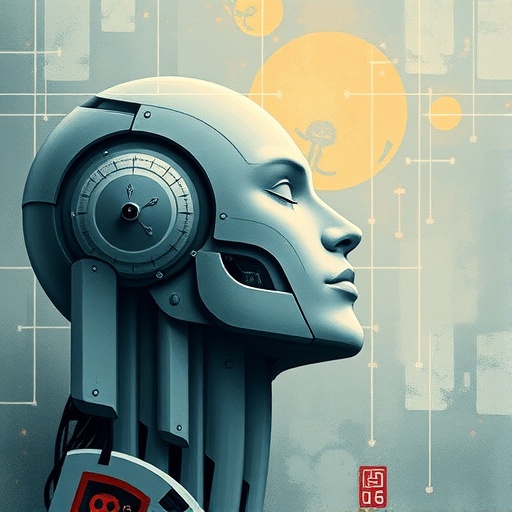
In recent years, the intersection between artificial intelligence (AI) and traditional art forms has sparked significant discourse within both creative and technological realms. The study conducted by Bao (2025) focusing on the utilization of AI painting technology demonstrates the profound impact this innovation can potentially have on traditional easel art. By leveraging emotion and semantics in creative modeling, AI presents opportunities not only to augment the artistic process but also to redefine the very essence of creativity itself.
Traditionally, easel art has been synonymous with human expression—a reflection of personal emotion, perception, and technical skill. Artists often engage deeply with their medium, pouring hours of labor into nuanced pieces that encapsulate feelings and intricate narratives. However, as AI begins to permeate this space, questions emerge regarding the role of the artist and the authenticity of art produced through computational processes. The core of Bao’s research highlights an intriguing paradigm shift—can machines grasp the subtleties of the human emotional experience in a way that allows them to contribute meaningfully to artistic creation?
At the heart of AI painting is the intricate interplay of algorithms designed to replicate specific styles or generate entirely new aesthetics. By training on vast datasets of existing artworks, AI does not merely mimic human creation; it evolves its own artistic language. This leads to the emergence of a form of art that, while generated by machines, contains layers of sophistication that can resonate emotionally with audiences. Studies suggest that viewers often cannot differentiate between human and AI-generated paintings, which raises critical ethical questions about authorship and value in the art community.
Moreover, the emotional component that AI can inject into these creations is handled through advanced algorithms that categorize and interpret human emotions. By using sentiment analysis and other AI techniques, the painting software can assess the emotional undertones prevalent in artworks or individual brush strokes, thereby creating pieces that are not only visually captivating but also emotionally resonant. This aspect of AI-driven art challenges conventional notions of artistry and compels society to reconsider the metrics by which art is judged.
However, the convergence of AI and traditional easel painting is not without its detractors. Critics point out that the lack of human experience and intuition in AI-generated art undermines the very foundations upon which traditional art is built. They argue that the spontaneous creativity and emotional depth that come from human artists cannot be replicated by merely feeding data into a machine. Instead, they claim that AI’s creations tend to lack the organic imperfections that define human art, thus relegating them to the status of mere simulations rather than legitimate works of art.
On the other hand, supporters of AI technology in the artistic domain celebrate its ability to democratize access to creative expression. With the development of user-friendly AI painting applications, amateur artists are empowered to create works that, in the past, may have only been achievable through years of dedicated practice. The idea that anyone can produce art with the help of technology not only broadens the definition of artist but also invites a wider range of voices into the conversation about what constitutes art.
The implications of this technology extend beyond mere creation. AI’s ability to analyze trends, styles, and popular motifs allows artists to tailor their works to contemporary audience preferences automatically. This capacity for dynamic adaptation offers exciting marketing opportunities, as artists can maintain relevance in an ever-evolving cultural landscape. The intersection of AI and art invites a collaborative future where human intuition and computational power work in harmony.
As AI continues to evolve, it is likely that hybrid methods combining traditional techniques with high-tech innovations will gain traction. Imagine a world where artists sketch their initial concepts on a canvas before collaborating with AI systems to develop intricate backgrounds or apply color schemes. Such synergy could forge new artistic paths and foster experimentation in ways that remain beyond human capability alone.
The rise of AI painting technology also prompts a reevaluation of art curation and appreciation. Galleries and museums may begin to showcase AI-generated works alongside traditional pieces, leading to exciting dialogues about originality and influence. This merging of artforms could create unique experiences where visitors are encouraged to reflect on the evolution of art in the face of emerging technology.
Furthermore, the philosophical implications of AI-generated art engage diverse audiences in discussions about identity, meaning, and emotion—essentially the human experience itself. As viewers are drawn into masterpieces crafted by algorithms, they are prompted to explore the depth of their own emotional responses. This exploration facilitates a broader understanding of the art experience, urging audiences to confront what they truly value as “art” in this digital age.
In conclusion, the impact of artificial intelligence on traditional easel art marks a significant evolution in the way we engage with creativity and emotional expression. By integrating emotion and semantic understanding, AI not only challenges the conventional boundaries of art but also enriches the artistic landscape. As we navigate this exciting frontier, the ongoing dialogue surrounding the implications of AI in artistic contexts will undoubtedly shape our understanding of creativity, identity, and the essence of the human experience itself.
Subject of Research: The impact of artificial intelligence on traditional easel art through emotion and semantic-based creative modeling.
Article Title: Impact of artificial intelligence painting technology on traditional easel art through emotion and semantic based creative modelling.
Article References:
Bao, P. Impact of artificial intelligence painting technology on traditional easel art through emotion and semantic based creative modelling.
Discov Artif Intell (2025). https://doi.org/10.1007/s44163-025-00689-9
Image Credits: AI Generated
DOI: 10.1007/s44163-025-00689-9
Keywords: Artificial Intelligence, Traditional Art, Emotion, Creative Modeling, AI Painting Technology.
Tags: AI painting technologyAI’s role in the art worldalgorithms in artistic creationauthenticity in AI-generated artemotional experience in artemotional impact on traditional arthuman expression in easel artimplications of AI on artistic processesintersection of AI and artredefining creativity with technologytechnological advancements in creativitytraditional vs digital art forms