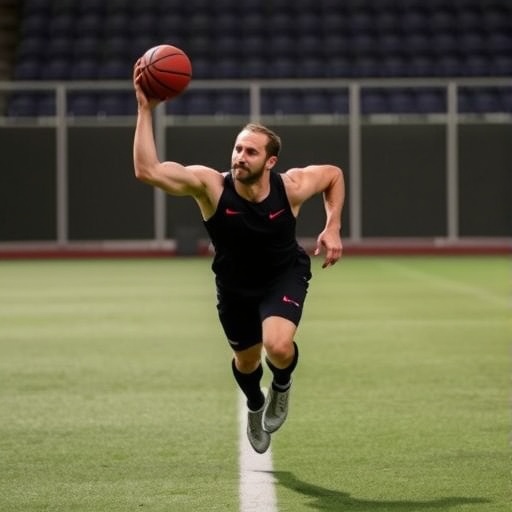
In a groundbreaking study set to redefine the landscape of sports science, Zhou T. has unveiled a pioneering machine learning algorithm specifically designed for the evaluation of athletes’ psychological quality. As sports performance increasingly hinges not just on physical prowess but also on mental fortitude, this research promises to provide coaches and trainers with an invaluable tool for optimizing athletic performance. By integrating advanced computational methodologies with psychological assessments, this study paves the way for a more holistic approach to athlete training.
The core of Zhou’s research lies in the sophisticated nature of the machine learning algorithms utilized. After extensive data collection from elite athletes across various sports, Zhou implemented deep learning techniques that analyze not only performance metrics but also psychological indicators. Conventional training regimens have often overlooked the nuanced influences of mental health on athletic performance, but this innovative approach stands to bridge that gap. By assessing factors like anxiety levels, motivation, and focus, this algorithm evaluates an athlete’s mental state, providing critical insights into how these factors may affect their overall performance.
The application of machine learning in sports is not entirely novel; however, Zhou’s algorithm distinguishes itself through its specificity and adaptability. While previous models have provided broad analyses, this study emphasizes personalization. By factoring in individual differences and contextual elements—such as competitive pressures and personal histories—this algorithm can tailor training interventions to meet each athlete’s unique psychological profile. Coaches will therefore be better equipped to devise strategies that not only focus on skill enhancement but also on fostering a resilient mindset.
One of the most compelling aspects of Zhou’s research is its commitment to empirical validation. The study involved a rigorous testing phase where the algorithm was applied in real-world training environments. Athletes underwent psychological evaluations before and after the implementation of machine learning assessments, yielding significant improvements in their performance metrics. Reports indicated that athletes who received tailored psychological coaching based on the algorithm’s insights exhibited substantial enhancements in their competitive outcomes.
Moreover, this algorithm has implications that extend beyond performance enhancement. By highlighting the interplay between psychological and physical readiness, the research advocates for a shift in how athletes perceive training regimens. Rather than viewing mental fortitude as a supplementary aspect of training, this study positions it as foundational, urging a paradigm shift in athletic development strategies. It encourages athletes to view psychological health as an intrinsic component of their overall training journey.
In the realm of competitive sports, coaches face the daunting task of keeping their athletes not only physically fit but also mentally sharp. Zhou’s innovation addresses this challenge head-on, offering a robust framework that equips coaches with the necessary insights to monitor and support their athletes’ mental health more effectively. This is particularly pertinent considering the increasing awareness regarding mental health issues in sports, which can often lead to burnout or performance-related anxiety.
The potential applications of this research extend into other domains as well. While tailored primarily for athletes, the principles underlying Zhou’s machine learning algorithm may find relevance in corporate environments, educational institutions, and various high-pressure professions. By fostering a deeper understanding of psychological qualities, industries can implement similar frameworks to enhance employee well-being and productivity.
As organizations seek out innovative means of improving performance, Zhou’s research stands as a testament to the evolving capabilities of technology in human performance analysis. With the increasing proficiency in artificial intelligence and machine learning, the athletic world is poised to leverage these advancements in extraordinary ways. Leveraging data-driven insights will not only allow for enhanced performance but also contribute to the overall well-being of athletes.
Ethical considerations also come into play with the introduction of such technologies in sports. Coaches and trainers must be adequately educated on the responsible use of psychological data, ensuring that athletes’ privacy is respected while leveraging these insights. Zhou advocates for a framework that encompasses open communication, emphasizing that athletes should fully understand how their psychological profiles are being utilized and ensure they provide informed consent.
Furthermore, ongoing research will be essential to continue refining these algorithms. Machine learning models thrive on iterative improvement, and as more data is collected from diverse athletic populations, the algorithm may extend its applicability across different sports and competitive levels. This will lead to an even more comprehensive understanding of the psychological nuances influencing athlete performance, which may, in turn, foster the emergence of new, targeted training approaches.
In conclusion, Zhou T.’s machine learning algorithm presents an exciting frontier at the intersection of technology and sports psychology. By prioritizing the psychological aspects of athlete training, this research paves the way for more nuanced, individualized coaching strategies that honor the complexity of athletic performance. As the sports community begins to embrace these innovations, there is palpable potential for enhanced performance outcomes and improved athlete well-being. The future of training appears brighter than ever, with the promise of a comprehensive approach that harmonizes mind and body in the pursuit of excellence.
As we look forward to the broader implications of this research, it is clear that Zhou’s work sets the stage for a new era in sports science. The integration of machine learning into the evaluation of psychological quality stands to transform not only how athletes train but also how we understand the mental dimensions of performance in competitive sports.
Subject of Research: Machine Learning Algorithms in Sports Psychology
Article Title: Machine Learning Algorithm for Evaluating Athletes’ Psychological Quality and Optimizing Training
Article References: Zhou, T. Machine learning algorithm for evaluating athletes’ psychological quality and optimizing training. Discov Artif Intell (2025). https://doi.org/10.1007/s44163-025-00537-w
Image Credits: AI Generated
DOI: 10.1007/s44163-025-00537-w
Keywords: Machine learning, sports psychology, athlete performance, psychological quality, training optimization.
Tags: advanced computational methodologies in trainingAI assessment of athletes’ mental strengthanxiety levels in athletesdeep learning techniques for performancefocus assessment for athletesholistic athlete training approachesinnovative sports science researchmachine learning in sports trainingmental health and athletic performancemotivation factors in sportsoptimizing athletic performance with AIpsychological evaluation of athletes