In a rapidly evolving landscape where technology intersects with healthcare, a groundbreaking scoping review emerges, shedding light on the transformative power of artificial intelligence (AI) in diagnosing pediatric neurodevelopmental disorders. This comprehensive evaluation, featured in the World Journal of Pediatrics, explores how state-of-the-art AI methodologies are reshaping the diagnostic processes for children grappling with complex developmental challenges. The implications are profound, promising earlier and more accurate detection while enabling personalized intervention strategies—a leap forward in pediatric neurology and child psychiatry.
Neurodevelopmental disorders encompass a broad spectrum of conditions affecting cognitive, social, and motor functions in children, often presenting diagnostic challenges due to their intricate and heterogeneous nature. Traditional diagnostic approaches rely heavily on clinical observation and subjective interpretation of developmental milestones, behavioral patterns, and neurologic examinations. The review highlights how AI algorithms, particularly those driven by machine learning and deep learning, have begun to transcend these limitations by analyzing vast datasets to detect subtle patterns invisible to human clinicians.
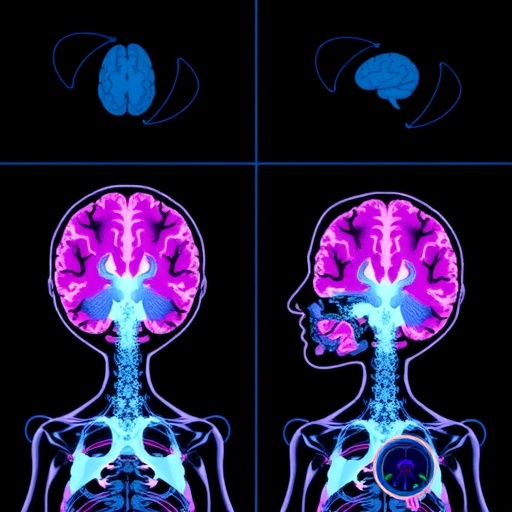
One of the standout features of AI in this domain is its capacity to integrate multimodal data sources. These range from neuroimaging scans, genetic profiles, and biochemical markers, to behavioral data captured through digital tools and wearable devices. By leveraging advanced convolutional neural networks and other sophisticated computational models, AI platforms can identify biomarkers and deviations in neural connectivity that may underpin disorders such as autism spectrum disorder (ASD), attention-deficit/hyperactivity disorder (ADHD), and intellectual disabilities.
The review meticulously documents the current state of AI applications, revealing a heterogeneous collection of studies employing varied datasets and AI architectures. A recurring theme is the impressive diagnostic accuracy reported, often surpassing traditional methods. However, the paper also emphasizes the necessity for larger, more diverse datasets to validate these preliminary findings and ensure that AI tools are generalizable across different populations and clinical environments.
Moreover, beyond just diagnostic accuracy, AI-driven tools offer the capability of continuous monitoring and predictive analytics. These functionalities are essential because neurodevelopmental disorders typically evolve over time, and early intervention is critically tied to improved life outcomes. Through longitudinal data analysis, AI can flag potential developmental delays before they fully manifest, enabling proactive therapeutic strategies tailored to the unique trajectory of each child.
The review does not shy away from addressing the ethical and practical challenges intrinsic to deploying AI in pediatric neurodevelopmental diagnostics. Issues such as data privacy, informed consent, algorithmic bias, and the risk of over-reliance on automated systems are carefully considered. These challenges underscore the importance of integrating AI as an adjunct rather than a replacement for expert clinical judgment, ensuring a harmonized approach that combines computational power with human empathy and insight.
Technological advancements are complemented by the emergence of user-friendly AI interfaces that clinicians and caregivers alike can interact with. These platforms democratize access to complex diagnostic tools, potentially reducing disparities in healthcare delivery in underserved regions. The review highlights pilot projects applying AI-powered telemedicine solutions that have begun bridging gaps in specialist availability and geographical limitations.
From a neurobiological standpoint, AI techniques have deepened understanding of the pathophysiology underlying neurodevelopmental disorders. The identification of neural circuitry alterations and gene-environment interactions through AI-enabled analysis provides new avenues for targeted pharmacological and behavioral therapies. This convergence of computational biology and clinical practice represents a frontier poised to revolutionize personalized medicine in pediatrics.
The authors call for concerted efforts to establish standardized protocols for data collection, algorithm training, and validation. Such standardization is critical to avoid fragmentation in research efforts and to facilitate regulatory approval processes. As AI systems increasingly influence clinical decisions, transparent reporting and algorithm explainability will be essential to maintain trust among healthcare providers and families.
A remarkable aspect of the scoping review is its comprehensive mapping of AI technologies from proof-of-concept studies to those already integrated into clinical workflows. It offers a realistic perspective on the timeline and milestones necessary for widespread adoption, emphasizing that technological innovation must be matched by rigorous clinical evaluation and education to realize AI’s full potential in pediatric neurodevelopmental healthcare.
Looking forward, future research directions underscored in the review focus on enhancing multimodal data fusion and the development of real-time adaptive AI systems. These advances may enable dynamic adjustment of diagnostic criteria based on continuous patient data streams, reflecting the inherently fluid nature of neurodevelopmental trajectories.
In sum, this pivotal review captures a momentous shift in pediatric neurology where AI is not merely a futuristic concept but a tangible, evolving force transforming diagnostic paradigms. The fusion of computational intelligence with clinical acumen promises a future where children with neurodevelopmental disorders receive earlier, more precise diagnoses and personalized treatments, significantly improving developmental outcomes and quality of life.
This body of work also acts as a clarion call to the global scientific and medical communities to invest in multidisciplinary collaborations, ethical governance frameworks, and equitable technology dissemination. Only through such integrated efforts will the profound benefits of AI in pediatric neurodevelopmental diagnostics be fully realized, ensuring that no child’s developmental potential is left unexplored due to limitations of traditional diagnostic methodologies.
With the dawn of AI-powered diagnostics, the pediatric healthcare landscape stands on the cusp of a revolution. This review not only validates the remarkable strides made but also charts the course ahead toward embracing technology that enhances rather than replaces human expertise in the delicate art of diagnosing and treating neurodevelopmental disorders in children.
Subject of Research: Artificial intelligence applications in the diagnosis of pediatric neurodevelopmental disorders
Article Title: Artificial intelligence in diagnosis of pediatric neurodevelopmental disorders: a scoping review
Article References:
Ramírez, M.A.N., Rodríguez, M.M., Salas, M.J.C. et al. Artificial intelligence in diagnosis of pediatric neurodevelopmental disorders: a scoping review. World J Pediatr (2026). https://doi.org/10.1007/s12519-025-00999-z
Image Credits: AI Generated
DOI: 27 January 2026
Tags: advancements in pediatric neurologyAI algorithms in clinical practiceAI in pediatric neurodevelopmental disorder diagnosisAI-driven personalized intervention strategieschallenges in diagnosing neurodevelopmental disorderscomprehensive review of AI applications in medicinedeep learning for developmental disordersearly detection of developmental challengesinnovative diagnostic methods for childrenmachine learning in child psychiatrymultimodal data integration in healthcaretransformative healthcare technology in pediatrics