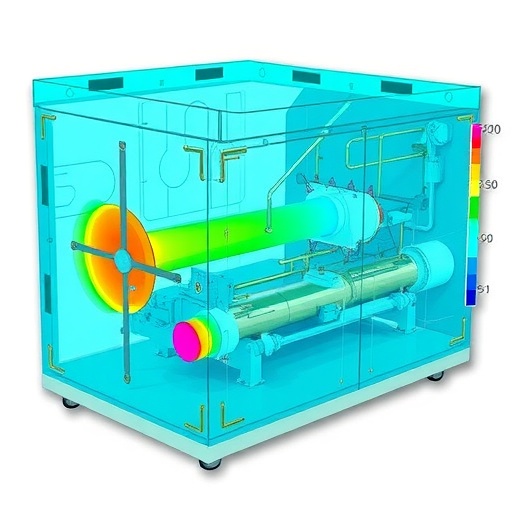
A recent breakthrough in the world of automotive engineering has emerged from a collaborative effort led by researchers Tomin, Keller, and Wagner. Their work centers on a revolutionary engine test bench setup, specifically designed for the rigorous testing of exhaust gas aftertreatment systems and in-depth analysis of gaseous species in Compressed Natural Gas Spark Ignition (CNG-SI) engines. This innovative approach promises to significantly enhance the understanding of emissions and performance characteristics inherent in modern internal combustion engines, particularly those running on alternative fuels like CNG.
CNG has been heralded as a cleaner alternative to conventional gasoline and diesel fuels, offering reduced greenhouse gas emissions and improved air quality in urban environments. However, as regulations around emissions become increasingly strict, the need for effective testing methodologies has never been more critical. The novel engine test bench developed by Tomin and colleagues is a response to this pressing need, providing a platform that enables precise measurement and analysis of exhaust emissions from CNG engines under various operating conditions.
One of the standout features of this test bench setup is its capacity for detailed gas species analysis. Traditional testing procedures often struggle to provide comprehensive insights into the composition of exhaust gases, particularly when it comes to recognizing transient behaviors during engine operation. The new system incorporates advanced sensors and analytical tools that facilitate real-time monitoring of exhaust gas components, leading to a deeper understanding of how different parameters influence emissions.
The design and functionality of the test bench were carefully crafted to simulate real-world driving conditions, allowing for a more accurate representation of engine performance and emissions. By recreating dynamic operating scenarios, researchers can observe and measure the exhaust gas cleanup efficiency of different aftertreatment technologies, making it easier to optimize these systems for lower emissions. This is particularly crucial for CNG engines, which may exhibit unique emission profiles compared to their gasoline or diesel counterparts.
Additionally, the innovative setup allows for systematic testing of various aftertreatment methods, from catalytic converters to particulate filters. By analyzing the effectiveness of these technologies in conjunction with different fuel compositions, the research team is poised to contribute significantly to the development of next-generation emission control strategies. These findings could play a pivotal role in shaping future regulations and standards for automotive emissions.
A focus on gas species analysis is instrumental in unraveling the complex interactions between fuel chemistry and aftertreatment efficiency. Through precise measurement of key pollutants such as nitrogen oxides (NOx), carbon monoxide (CO), and hydrocarbons (HC), researchers can draw actionable conclusions about the operational limits and capabilities of CNG engines. This level of detail has typically been absent in previous research, illustrating the importance of this new testing approach.
Furthermore, the implications of this research extend beyond just the automotive industry; they touch upon important environmental considerations as well. The ability to accurately assess emissions from alternative fuel vehicles can inform policymakers and environmental agencies in their efforts to promote cleaner air initiatives. As cities and nations commit to achieving net-zero emissions targets, understanding the full impact of technologies like CNG-powered engines becomes increasingly urgent.
The researchers are optimistic that their innovative engine test bench setup will foster collaboration between various stakeholders in the automotive sector. Manufacturers, regulatory bodies, and academic institutions can leverage the insights gained from this research to drive advancements in clean automotive technologies. By sharing data and findings, the potential for rapidly evolving exhaust aftertreatment solutions grows, ultimately leading to cleaner combustion processes.
In addition to its practical applications, this research underscores the importance of continued innovation in engine testing methodologies. As the automotive landscape shifts toward electrification and alternative fuels, it is crucial to maintain robust testing frameworks that can adapt to new technologies and fuel types. This flexible and dynamic approach to engine testing will be vital in ensuring that environmental goals are met while still fulfilling the performance expectations of today’s consumers.
The success of Tomin and his team’s project may well inspire further research into other alternative fuels, pushing the envelope on what is possible in terms of sustainability within the transportation industry. With funding and support, we may see even more advanced setups emerge that can investigate the multifaceted challenges posed by emerging energy carriers.
The focus on innovation in automotive testing cannot be understated. As environmental demands grow more stringent, the automotive sector must continually evolve its understanding of engine emissions. Initiatives like the one led by Tomin, Keller, and Wagner mark significant steps forward in a journey toward cleaner mobility solutions. This research not only sheds light on CNG engines but also paves the way for enhanced understanding of diverse fuel technologies and their respective impacts on the environment.
Moving forward, the automotive industry must embrace these new methodologies as essential tools in the pursuit of sustainability. Research like this highlights the critical interdependence between technology, environmental stewardship, and public health. By investing in cutting-edge testing techniques, manufacturers can ensure that they remain ahead of regulatory curves while still delivering performance-driven vehicles.
In conclusion, the innovative engine test bench setup established by this research team represents a significant advancement in the realm of exhaust gas emissions testing. By providing precise gas species analysis and simulating real-world conditions, this technology holds the potential to transform the automotive landscape, particularly for vehicles operating on alternative fuels such as CNG. The significance of this work extends beyond technical innovation, as it plays a vital role in addressing the urgent challenges posed by climate change and public health.
These advancements in testing methodologies can eventually lead to the widespread adoption of cleaner technologies, propagating a shift toward a cleaner and more sustainable transportation future. As we look to the future of mobility, innovators like Tomin and his team are leading the way, showing that with the right tools and approaches, the automotive industry can move closer to realizing its environmental goals.
Subject of Research: Innovative engine test bench setup for exhaust gas aftertreatment and gas species analysis in CNG-SI operations.
Article Title: Innovative engine test bench set-up for testing of exhaust gas aftertreatment and detailed gas species analysis for CNG-SI-operation.
Article References:
Tomin, S., Keller, K., Wagner, U. et al. Innovative engine test bench set-up for testing of exhaust gas aftertreatment and detailed gas species analysis for CNG-SI-operation. Automot. Engine Technol. 9, 2 (2024). https://doi.org/10.1007/s41104-024-00140-8
Image Credits: AI Generated
DOI: https://doi.org/10.1007/s41104-024-00140-8
Keywords: CNG, emissions testing, exhaust gas aftertreatment, automotive engineering, sustainable transportation.
Tags: advanced engine test bench technologyalternative fuel performance characteristicsautomotive engineering breakthroughsCNG-SI engine exhaust analysisCompressed Natural Gas enginesemissions testing methodologiesexhaust gas aftertreatment systemsgaseous species measurementgreenhouse gas reduction strategiesinnovative testing platformsstringent emissions regulations.urban air quality improvement