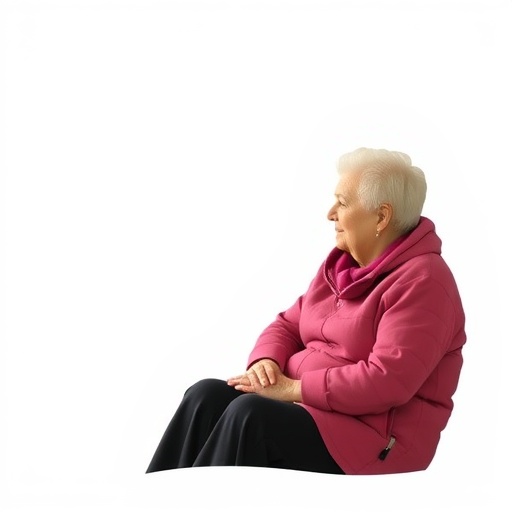
As communities around the world gradually emerge from the shadow of the COVID-19 pandemic, a pressing issue has surfaced among older adults living alone: the profound impact of loneliness on their quality of life. A recent integrative review conducted by Bissett et al., published in BMC Geriatrics, sheds light on this crucial topic, emphasizing the need for effective support systems to promote reconnection among this vulnerable population. With isolation having been a common experience during lockdowns, understanding the long-term effects of loneliness and implementing strategies for improvement have never been more urgent.
The COVID-19 pandemic not only disrupted daily life but also exacerbated feelings of isolation among older adults, many of whom already faced the challenges of loneliness prior to the crisis. This integrative review meticulously examines various studies and literature that reveal the extent to which loneliness affects psychological and physical well-being in older individuals, particularly those living alone. The findings highlight a troubling correlation between prolonged social detachment and declining health outcomes in this demographic, raising concerns for caregivers, health professionals, and policymakers alike.
Bissett et al. identify loneliness as a multifaceted issue, compounded by factors such as the loss of social networks, mobility challenges, and the emotional impacts of aging. During the pandemic, the abrupt shift to remote communication methods left many struggling to adapt. Older adults, less familiar with technology, may have found themselves increasingly isolated, deepening their sense of loneliness. This phenomenon underscores the importance of addressing digital divides and providing technological resources to ensure older individuals can remain connected to their communities.
Furthermore, the review explores how various interventions can mitigate loneliness among older adults. Bissett and colleagues suggest community-driven approaches, such as buddy systems or local volunteer programs, that encourage interpersonal relationships. Establishing regular check-ins, either virtually or in person, is also proposed as a simple yet effective strategy. These interventions not only enhance the social networks of older adults but also cultivate a sense of belonging that is crucial for mental health, particularly in the wake of unprecedented isolation.
In their review, the authors delve into the implications of loneliness for physical health. Research has indicated that loneliness can lead to significant health risks, including heart disease, depression, and cognitive decline. This concerning connection emphasizes the necessity for healthcare providers to recognize the signs of loneliness in their patients. By integrating mental health screenings into routine health assessments, healthcare professionals can better address the holistic needs of older adults, ensuring that emotional wellbeing is prioritized alongside physical health.
Significantly, Bissett et al. advocate for tailored interventions that consider the unique needs of individuals. The one-size-fits-all approach may not adequately address the diverse factors contributing to loneliness. By employing personalized strategies that take into account an individual’s preferences, living situation, and social circle, efforts to alleviate loneliness can be more effectively executed. This personalized care model aligns with trends toward individualized medicine, which seeks to deliver precise, patient-centered healthcare solutions.
Another vital aspect of combating loneliness in older adults is the role of established community structures. Local organizations, including senior centers, faith-based groups, and recreational clubs, play a pivotal role in fostering connections. Bissett and colleagues highlight the importance of harnessing these existing frameworks to promote engagement among older adults. By revitalizing activities that encourage social interaction, these institutions can directly address the isolating effects of the pandemic and create opportunities for empowerment and engagement.
The review also discusses the intersectionality of loneliness, pointing out how socio-economic factors, including income and education, can influence an older adult’s experience with loneliness. Those from lower socio-economic backgrounds may face additional barriers to maintaining social connections, such as lack of transportation or financial constraints. Therefore, enhancing access to resources for these individuals can help level the playing field and provide everyone with the opportunity to combat loneliness.
Moreover, the impact of the pandemic on family dynamics cannot be overlooked. Many families found themselves geographically separated from their older members due to lockdowns or travel restrictions. The review illustrates the emotional toll this has taken, as family members often serve as primary sources of companionship for older adults. In response, Bissett et al. emphasize the need for families to take proactive steps to maintain connections, such as scheduling regular phone calls or visits when feasible.
Additionally, mental health support plays an essential role in addressing the emotional ramifications of loneliness. The integration of mental health resources, including counseling or peer support groups, can provide necessary relief for older adults grappling with feelings of isolation. This approach not only addresses loneliness directly but also equips individuals with coping strategies to manage their mental well-being in the ongoing post-pandemic landscape.
While the research conducted by Bissett et al. offers hope through actionable recommendations, the road to revitalizing social connections among older adults is complex and requires a community-wide effort. Combating loneliness is not the sole responsibility of older individuals or their families; it necessitates a societal approach that includes healthcare providers, community organizations, and policymakers. Coordinated efforts can pave the way for a more inclusive society, ensuring that older adults do not suffer the consequences of isolation.
Ultimately, the insights provided in this integrative review highlight a critical need for conversations about loneliness to continue beyond the pandemic. The lessons learned during this unprecedented period should serve as a catalyst for ongoing initiatives aimed at supporting older adults, promoting reconnection, and prioritizing mental health. As society moves forward, the collective commitment to understanding and addressing loneliness will be essential for fostering healthier, more connected communities.
In summary, Bissett et al. contribute significantly to the understanding of loneliness among older adults who lived alone during the COVID-19 pandemic, providing a framework for actionable change. By recognizing the intricate relationship between loneliness and quality of life, the authors call for increased awareness and intervention to help this demographic reconnect, ensuring they lead fulfilling lives in the wake of social disruption.
Subject of Research: Loneliness and Quality of Life in Older Adults During COVID-19
Article Title: An integrative review of loneliness and quality of life in older adults who lived alone during COVID-19: considerations for supporting reconnection.
Article References:
Bissett, M., Aggar, C., Hockings, M. et al. An integrative review of loneliness and quality of life in older adults who lived alone during COVID-19: considerations for supporting reconnection.
BMC Geriatr (2025). https://doi.org/10.1186/s12877-025-06887-5
Image Credits: AI Generated
DOI: 10.1186/s12877-025-06887-5
Keywords: Loneliness, Quality of Life, Older Adults, COVID-19, Mental Health, Social Connection, Interventions, Community Support.
Tags: addressing social isolation in seniorscommunity initiatives for senior engagementenhancing quality of life for solitary seniorshealth outcomes related to lonelinessimpact of COVID-19 on solitary seniorsloneliness in older adultslong-term effects of social detachmentpost-COVID mental health challengespromoting social connections for seniorspsychological effects of loneliness on elderlystrategies to combat loneliness in elderlysupport systems for isolated seniors