In a groundbreaking advancement set to revolutionize the management of Parkinson’s disease, researchers led by Cascino, Luiso, Caffi, and colleagues have unveiled pivotal findings from the ADAPT-START study, elucidating the potential of chronic adaptive deep brain stimulation (aDBS) as a transformative therapeutic strategy. Published in npj Parkinsons Disease in 2026, this study meticulously dissects the nuances of aDBS operation over prolonged periods, revealing intricate programming principles that could dramatically enhance treatment outcomes for patients grappling with debilitating motor symptoms. The implications of these findings extend far beyond incremental clinical improvements, offering a glimpse into a future where neuromodulation therapies dynamically adapt to the fluctuating neural landscape shaped by disease progression.
Historically, deep brain stimulation (DBS) has firmly established itself as a treatment for Parkinson’s motor symptoms through continuous electrical stimulation targeting specific subcortical nuclei, most notably the subthalamic nucleus (STN). However, the conventional DBS paradigms operate based on fixed stimulation parameters, which fail to accommodate the complex, variable pathophysiology characteristic of Parkinson’s disease. The advent of adaptive DBS addresses this critical limitation by introducing closed-loop systems that monitor neural biomarkers in real time, modulating stimulation parameters accordingly. The ADAPT-START study represents one of the most comprehensive investigations specifically focusing on the chronic implementation of such adaptive systems, striving to address both clinical efficacy and the technical intricacies pivotal for long-term neurostimulation success.
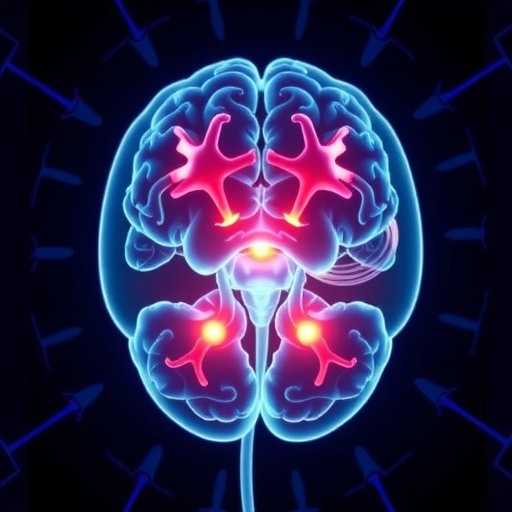
Central to understanding the innovation introduced by the ADAPT-START findings is the concept of neurophysiological biomarkers serving as feedback signals. The study operationalizes sensor data, particularly local field potentials (LFPs) detected in the STN, to dynamically regulate stimulation amplitude and timing. This landmark approach saturates the traditional boundary of open-loop DBS by creating a responsive therapeutic modality that can counteract symptom variability, such as tremor fluctuations, rigidity, and bradykinesia episodes. Chronic monitoring over extended periods implicates a paradigm where stimulation is not merely reactive but anticipatory, suggesting a neurological dialogue between patient state and device responsiveness—an orchestration that may markedly improve patient quality of life.
Moreover, the ADAPT-START study delivers critical insights regarding programming strategies that are indispensable in managing the heterogeneity of Parkinson’s manifestations. The investigators emphasize the significance of individualized parameter tuning, highlighting that adaptive stimulation demands a transition from off-the-shelf protocols to bespoke programming dependent both on patient-specific electrophysiological profiles and subtle symptom dynamics. The researchers report that personalized calibration of stimulation thresholds, frequency bands, and temporal responsiveness anchors the success of adaptive DBS, ensuring that each patient’s therapy is not only optimally effective but also optimized to reduce side effects such as speech disturbance or dyskinesia.
From a technical vantage point, one of the most remarkable achievements presented is the demonstration of long-term stability in sensing and stimulation efficacy. Previous concerns about hardware reliability, electrode signal degradation, and battery lifespan posed significant barriers to the clinical acceptance of chronic adaptive DBS. Cascino and colleagues meticulously address these challenges by deploying advanced implantable neurostimulators capable of high-fidelity chronic LFP acquisition while maintaining energy efficiency. The engineering sophistication embedded within these systems ensures that sensing continuity and stimulation precision are preserved for months to years, thereby supporting the feasibility of translating experimental aDBS protocols into standard clinical practice.
The neurological intricacy of Parkinson’s disease progression introduces yet another layer of complexity deftly tackled by the ADAPT-START team. Parkinson’s is characterized by progressive dopaminergic neuron degeneration, accompanied by dynamic alterations in neural oscillation patterns and motor circuitry remodeling. The study’s longitudinal dataset reveals how adaptive DBS modulates these evolving electrophysiological signatures over time, preserving therapeutic effect despite the underlying neurodegeneration. This adaptability highlights a crucial advantage over fixed-parameter DBS: the ability to maintain symptom control without frequent surgical or programming interventions, thus mitigating patient burden and healthcare resource consumption.
Importantly, the researchers also explore the safety profile associated with chronic adaptive DBS deployment. Maintaining a delicate balance between therapeutic efficacy and adverse effects is paramount in deep brain stimulation. ADAPT-START findings reveal that aDBS, by virtue of its responsive nature, minimizes overstimulation risks which are often implicated in side effects such as paresthesia and cognitive disturbances. Preliminary data suggest that adaptive algorithms reduce total stimulation load, consequently lowering the incidence of stimulation-induced complications and potentially extending device longevity. These results underscore adaptive DBS as a superior modality not only in clinical effect but also in safety and tolerability.
The study’s authors further illuminate the potential for integration of machine learning and sophisticated signal processing techniques in refining adaptive DBS programming. By utilizing pattern recognition algorithms trained on large-scale neural datasets, the devices can anticipate symptom exacerbation and seamlessly adjust stimulation before clinical manifestation. This proactive model of neuromodulation exemplifies the intersection of neuroscience and artificial intelligence, promising a future where neurostimulation systems themselves evolve in complexity and autonomy, effectively functioning as “smart” therapeutic platforms tailor-made for neurological disorders.
This investigation also revisits the conceptual framework underlying closed-loop neuromodulation, underlining how the interplay of real-time feedback and modulation fosters neural plasticity. The adaptive system’s capacity to promote circuit recalibration and compensatory motor control suggests that aDBS may contribute not only to symptomatic relief but also to fundamental disease modification. Such neuroplastic adaptations hold the promise of slowing disease progression or enhancing residual motor function by stabilizing aberrant oscillatory activity and restoring network homeostasis within basal ganglia-thalamo-cortical loops.
The ADAPT-START findings foster profound implications for clinical practice and neurosurgical methodologies. Implantation techniques benefit from improved electrode targeting guided by detailed electrophysiological mapping, ensuring enhanced signal acquisition required for reliable closed-loop function. Moreover, programming protocols now incorporate real-time biomarker assessment tools, facilitating swift adjustments and personalized care regimens. These advances collectively herald an era where adaptive DBS transitions from experimental therapy to the gold standard for managing advanced Parkinson’s disease, reshaping patient trajectories globally.
Looking to the future, the study sparks exciting avenues for expanding chronic adaptive DBS beyond classical motor circuits and Parkinsonian pathology. Potential applications in neuropsychiatric conditions such as obsessive-compulsive disorder, major depressive disorder, and epilepsy are anticipated, leveraging the fundamental principle of closed-loop neuromodulation to optimize symptom management across a spectrum of brain disorders. Integration with wearable sensors and telemedicine platforms may further enhance continuous patient monitoring and remote therapy adjustment, amplifying treatment accessibility and personalization on a global scale.
Ultimately, the ADAPT-START research represents a monumental stride toward closing the loop on Parkinson’s disease management. By harnessing the power of adaptive neurostimulation, the investigators have charted a comprehensive roadmap for the effective design, implementation, and clinical optimization of chronic aDBS therapies. Their contributions offer hope that Parkinson’s patients can anticipate not only improved symptom control but also reduced therapeutic burdens and enhanced autonomy through a therapy that embodies precision medicine at the neural circuit level.
As deep brain stimulation continues to evolve from fixed-parameter modulation into dynamic, responsive interventions, the ADAPT-START findings stand as a beacon guiding the integration of neuroscience, engineering, and clinical care. The technically rigorous and clinically impactful revelations from this study mark a new epoch in the fight against Parkinson’s disease—one where treatments adapt as swiftly as the disease changes, embodying the forefront of neurotherapeutic innovation.
Subject of Research:
The study investigates the implementation and effects of chronic adaptive deep brain stimulation on motor symptoms in Parkinson’s disease, focusing on neurophysiological biomarkers, long-term programming strategies, and device engineering to enhance therapeutic efficacy and safety.
Article Title:
Chronic adaptive deep brain stimulation in Parkinson’s disease: ADAPT-START findings and programming principles
Article References:
Cascino, S., Luiso, F., Caffi, L. et al. Chronic adaptive deep brain stimulation in Parkinson’s disease: ADAPT-START findings and programming principles. npj Parkinsons Dis. (2026). https://doi.org/10.1038/s41531-026-01269-z
Image Credits: AI Generated
Tags: ADAPT-START clinical studyadaptive deep brain stimulation for Parkinson’s diseasechronic aDBS therapy advancementsclosed-loop brain stimulation systemsdynamic stimulation parameter adjustmentlong-term effects of adaptive DBSmotor symptom management in Parkinson’sneural biomarker monitoring in DBSnext-generation Parkinson’s treatmentsParkinson’s disease neuromodulation techniquespersonalized brain stimulation therapysubthalamic nucleus stimulation in Parkinson’s