


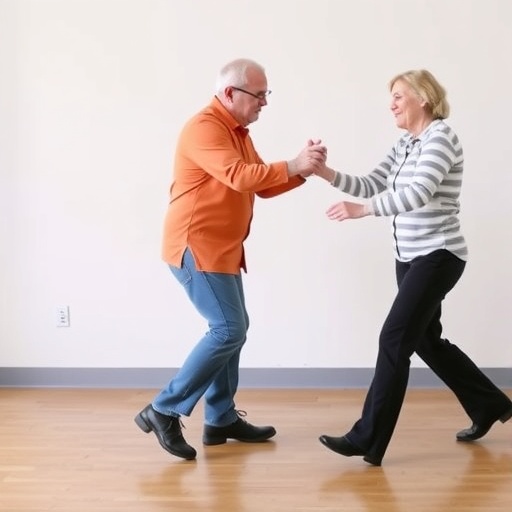
In a groundbreaking new study published in npj Parkinson’s Disease, researchers have taken a deep dive into the comparative effectiveness of adapted tango dancing versus supervised walking for individuals living with Parkinson’s disease. This longitudinal investigation, spanning an impressive 16 months, explored not only the clinical outcomes but also the vital dimensions of patient compliance and satisfaction. The study builds on a growing body of literature that positions physical activity as a cornerstone in managing the motor and non-motor symptoms of Parkinson’s, while innovatively examining how different exercise modalities influence long-term engagement and quality of life.
Parkinson’s disease, a neurodegenerative disorder characterized primarily by tremors, rigidity, and bradykinesia, presents significant challenges in maintaining functional mobility and independence. Traditional therapeutic approaches often emphasize pharmacological intervention; however, adjunct therapies such as physical exercise have demonstrated promising benefits in symptom management. The study led by Kim et al. focuses on two exercise paradigms—adapted tango, an artistic and rhythmically complex form of dance, and supervised walking, a more conventional aerobic activity—to evaluate their distinct impacts on compliance rates and patient satisfaction over an extended period.
The methodological rigor of the research is notable. Participants diagnosed with Parkinson’s were randomly assigned to either the adapted tango or supervised walking groups, ensuring balanced baseline characteristics. The interventions were carefully structured to provide consistent frequency and duration, with trained instructors overseeing all sessions to standardize delivery. Such a design allowed the researchers to isolate the effects of the exercise modalities themselves, minimizing confounding variables related to supervision or program structure. Compliance was meticulously tracked through attendance records and adherence logs, while satisfaction was gauged via validated subjective measures.
Intriguingly, the adapted tango group demonstrated markedly higher compliance rates across the 16-month duration. This discovery underscores the critical role of engagement and enjoyment in sustaining physical activity regimens among people with chronic conditions. Adapted tango, with its intrinsic social interaction, rhythmic stimulation, and cognitive demands, likely offers multidimensional benefits that transcend pure physical exercise. Participants reported feeling more motivated and emotionally uplifted within the dance sessions, a sentiment less frequently echoed within the walking group. This insight introduces a compelling argument for integrating culturally and socially meaningful activities into therapeutic protocols for Parkinson’s.
Beyond compliance, the study meticulously examined patient satisfaction, revealing a pronounced preference toward the adapted tango intervention. Satisfaction encompasses multiple facets, including perceived improvements in motor function, emotional well-being, and the social joy derived from group activity. These subjective benefits are crucial, as they often translate into better adherence and enhanced long-term clinical outcomes. The researchers found that participants in the tango group consistently reported greater improvements in mood and cognitive engagement, aligning with emerging research that highlights the neuroplastic benefits of dance.
From a neurological perspective, adapted tango dancing requires participants to engage in complex motor sequencing, balance control, and proprioceptive awareness. These demands stimulate multiple brain regions involved in motor planning and execution, which may contribute to the observed therapeutic gains. The rhythmic auditory cues inherent in tango music potentially entrain motor timing, aiding in alleviating gait and freezing episodes commonly experienced by Parkinson’s patients. In contrast, although supervised walking offers cardiovascular benefits, it lacks this multifaceted neurocognitive engagement, perhaps explaining differential outcomes in compliance and satisfaction.
The study also delved into the psycho-emotional dimensions of these exercise forms. Parkinson’s disease often carries a significant psychological burden, including depression and anxiety, which can detract from treatment adherence. The social bonding and mutual encouragement intrinsic to adapted tango sessions create a supportive environment that combats isolation and fosters emotional resilience. This collective aspect may partially account for the enhanced satisfaction scores reported by participants, suggesting that therapeutic exercise programs should prioritize social interaction to promote holistic well-being.
Importantly, Kim et al. assessed the sustainability of exercise engagement, a crucial factor in chronic disease management. The attrition rates were significantly lower in the adapted tango group, confirming that the artistic and enjoyable nature of dance can transform adherence from a chore into a rewarding experience. This finding challenges healthcare providers to rethink standard exercise prescriptions, advocating for personalized, enjoyable, and socially immersive physical activities that can sustain patient motivation over time.
Physiologically, both groups experienced benefits in motor function, but the nuanced advantages observed in the tango participants hint at superior improvement in balance and gait stability. These gains are vital in reducing fall risk, a major concern among Parkinson’s patients that directly correlates with morbidity and healthcare costs. Future research could investigate underlying biomechanical changes induced by dance compared to walking, potentially guiding precision rehabilitation strategies.
Cognitive function was another focal point of the study. Adapted tango, by virtue of its structured but improvisational format, demands continual cognitive engagement, memory utilization, and executive function. Participants reported experiencing sharper mental clarity and improved attention span, suggesting dance may nurture cognitive reserve or slow cognitive decline associated with Parkinson’s disease. This aligns with neuroimaging findings from parallel studies showing enhanced activation patterns in the prefrontal cortex following dance therapy.
The integration of qualitative data further enriches the study’s conclusions. Personal testimonies from participants revealed stories of rediscovered joy, regained confidence, and a renewed sense of identity beyond the disease diagnosis. These psychosocial enhancements highlight the profound impact adapted tango may have on patient lives compared to more monotonous exercise routines. Such narratives are driving a paradigm shift toward patient-centered care models that value emotional and identity preservation alongside symptom management.
While adapted tango emerged as a superior intervention in terms of compliance and satisfaction, the study acknowledges the role of supervised walking as a valuable, accessible form of exercise, especially where dance programs are unavailable or impractical. Walking remains a foundational activity with proven cardiovascular and musculoskeletal benefits, making it an indispensable component within a comprehensive Parkinson’s care plan.
The investigation culminates with recommendations for clinicians and rehabilitation specialists to consider adapted tango not merely as a leisure activity but as a potent therapeutic tool. Implementing community-based dance programs with professional oversight could revolutionize how physical therapy is delivered in neurodegenerative diseases, potentially improving adherence, enhancing quality of life, and even modulating disease progression.
Overall, this landmark research by Kim et al. illuminates the multifaceted benefits of adapted tango dancing in managing Parkinson’s disease. It sets a precedent for integrating artistic and socially engaging modalities in medical rehabilitation, pushing the boundaries of traditional therapeutic approaches. As the scientific community continues to unravel the complex interplay between exercise, neuroplasticity, and emotional health, such innovative studies pave the way for holistic, patient-centered care that truly resonates with the lived experiences of individuals battling chronic neurological disorders.
Subject of Research: Compliance and satisfaction of adapted tango dance versus supervised walking over 16 months for individuals with Parkinson’s disease.
Article Title: Compliance and Satisfaction for 16 months of Adapted Tango vs. Supervised Walking for People with Parkinson’s.
Article References:
Kim, H., Rafie, F., Nekouei, A.H. et al. Compliance and Satisfaction for 16 months of Adapted Tango vs. Supervised Walking for People with Parkinson’s. npj Parkinsons Dis. (2025). https://doi.org/10.1038/s41531-025-01220-8
Image Credits: AI Generated
Tags: adapted tango for Parkinson’s diseaseclinical outcomes of tango dancingeffectiveness of aerobic activities for Parkinson’slong-term effects of dance therapylongitudinal study on Parkinson’s disease therapiesneurodegenerative disorders and exercisenon-pharmacological interventions for Parkinson’spatient compliance in exercise programspatient satisfaction in exercise modalitiesphysical activity and Parkinson’s managementQuality of life in Parkinson’s diseasesupervised walking for Parkinson’s patients



