


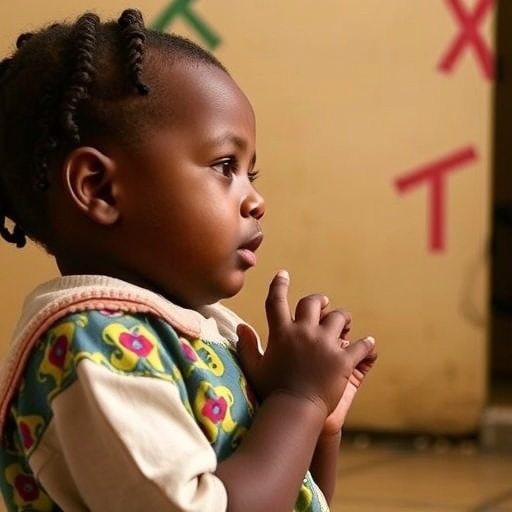
In the complex landscape of global health, acute respiratory infections (ARIs) represent a persistent challenge, especially among young children under the age of five. A recent study sheds light on the troubling trends surrounding ARIs and the multifaceted factors contributing to their prevalence in Ethiopia, a nation where childhood health is intricately tied to socio-economic circumstances, healthcare access, and seasonal variations.
Current research reveals that Ethiopia has been grappling with the burden of acute respiratory infections for years, with a troubling increase in cases among the young, vulnerable population. These infections, while common, can lead to severe morbidity and mortality, particularly in children who possess less mature immune systems. The factors underlying this increase are complex and intertwined, involving a variety of environmental, economic, and social dimensions.
Understanding the trends of ARIs requires delving into various determinants that not only influence the health outcomes of children but also impact the overall healthcare system in Ethiopia. In rural areas, access to clean water, sanitation, and healthcare facilities significantly affects the incidence of respiratory infections. Many families rely on traditional fuels for cooking, which may increase indoor air pollution – a key contributor to respiratory illnesses. This is particularly important to note, as indoor air pollution has been recognized as a serious public health risk, especially for young children who are more susceptible to its adverse effects.
Research has underscored the importance of identifying specific pathogens responsible for ARIs in Ethiopia, including bacterial, viral, and fungal agents. Exclusive breastfeeding during the first six months of life, adequate nutrition, and timely vaccinations against pathogens like pneumococcus and influenza have proven vital in preventing these infections. However, barriers such as misinformation about vaccination and health-seeking behavior complicate these preventive measures.
Data from the Ethiopian health sector illustrates variations in ARI trends across different regions, which can largely be attributed to local environmental conditions and healthcare infrastructure. In areas with limited healthcare resources, the number of ARI cases tends to spike, particularly during the rainy season when the risk of pathogen transmission increases. This highlights the necessity for early interventions and ongoing surveillance to mitigate outbreaks and ultimately save lives.
The role of education cannot be overstated when addressing Acute Respiratory Infections. Community awareness programs emphasizing hand hygiene, the importance of immunizations, and the dangers of indoor pollution can make significant differences in reducing infection rates among children. Training healthcare providers to better communicate these points can also enhance the community’s responsiveness to ARI symptoms and encourage timely medical consultations, thereby reducing complications and improving outcomes.
Moreover, the multifactorial nature of ARIs necessitates a comprehensive response, which includes the collaboration of various sectors beyond healthcare. Government policy aimed at improving housing conditions, promoting cleaner energy sources, and investing in public health infrastructure is crucial. These reforms can lead to a marked reduction in ARI cases by addressing the underlying socioeconomic determinants of health.
At a broader level, global health initiatives must focus more on vulnerable populations in low-income countries. The Ethiopian scenario serves as a crucial case study that illustrates the interaction of healthcare access, socio-economic status, education, environmental factors, and childhood health outcomes. The integration of community health strategies with broader economic policies can create a holistic approach to tackling health issues like ARIs.
Interestingly, the study discusses future directions for research and public health strategies, advocating for longitudinal studies that can track ARI trends over time. Such data is essential for creating targeted health policies and allocating resources more effectively. Understanding variations over time and across different demographics can help in formulating effective prevention strategies tailored to the needs of specific communities.
Ethiopia has made significant strides over the past few decades in improving child health indicators. Yet, the continuing burden of ARIs presents a formidable challenge, necessitating sustained effort and commitment from all stakeholders involved. The health sector cannot work in isolation; it needs the support of governmental initiatives and local communities to foster an environment that promotes respiratory health.
Through multi-faceted interventions including public health education campaigns, improved healthcare infrastructures, and comprehensive environmental policies, it is possible to alleviate the burden of ARIs among under-five children in Ethiopia. By fostering collaborations across various sectors, the possibilities for impactful change become vast.
In conclusion, the findings of this study serve as a clarion call for immediate action to address the multifactorial causes of ARIs among children under five years old in Ethiopia. It highlights how urgent it is to build resilient healthcare systems capable of coping with seasonal fluctuations in disease incidence and to ensure that every child has the chance to grow up healthy and strong.
In the fight against childhood acute respiratory infections, acknowledging the complex interplay of contributing factors and implementing comprehensive strategies will be key to achieving lasting improvements. We stand at a critical juncture – the time is now to take decisive steps toward safeguarding children’s health in Ethiopia and beyond.
Subject of Research: Trends in acute respiratory infection and associated factors among under-5 children in Ethiopia
Article Title: Trends in acute respiratory infection and associated factors among under-5 children in Ethiopia
Article References:
Beyene, E.T., Cha, S., Seo, D. et al. Trends in acute respiratory infection and associated factors among under-5 children in Ethiopia.
BMC Pediatr (2026). https://doi.org/10.1186/s12887-025-06100-x
Image Credits: AI Generated
DOI: 10.1186/s12887-025-06100-x
Keywords: Acute Respiratory Infections, Ethiopia, Childhood Health, Public Health Strategies, Socioeconomic Factors, Healthcare Access
Tags: acute respiratory infections in childrenclean water and sanitation accessenvironmental determinants of healthhealthcare access in Ethiopiaimpact of indoor air pollutionmorbidity and mortality in young childrenpublic health interventions for ARIs.rural health challenges in Ethiopiaseasonal variations in respiratory illnessessocio-economic factors in childhood healthtraditional fuels and health riskstrends in respiratory infections



