


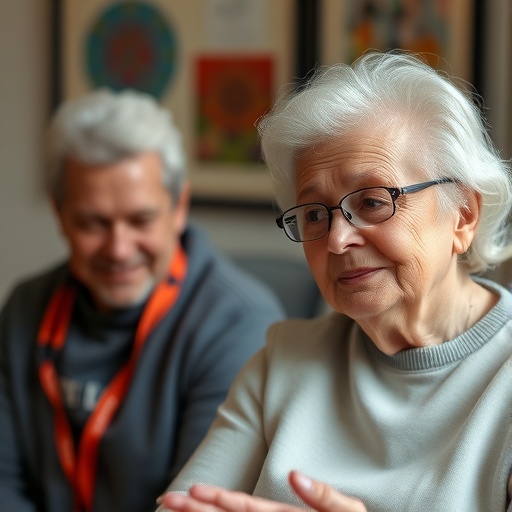
The COVID-19 pandemic has uniquely impacted various age groups across the globe, yet its effects on older adults remain a topic of pressing concern. Research into the dimensions of active aging, especially in the context of a global health crisis, offers crucial insights into the interplay between health, self-care, and the overall well-being of older individuals. A recent study by Hatami and colleagues sheds light on the importance of active aging and self-care practices among the elderly during the pandemic, indicating a significant relationship between these variables.
Active aging is a concept that encompasses the realization of life’s potential as individuals age, contributing not only to personal well-being but also to the collective health of society. The study investigated how older adults navigated their daily lives while adhering to social distancing measures and health protocols imposed during the pandemic. The emphasis was placed on self-care, which encompasses a range of activities that promote health and wellness, including dietary choices, physical activity, psychological well-being, and social interactions—albeit virtual.
In this unprecedented time, older adults have faced isolation and limited access to community resources. The research highlights the necessity of establishing routines that prioritize self-care, which has the potential to mitigate feelings of loneliness and depression. With many older individuals already experiencing health challenges, the pandemic exacerbated issues related to physical and mental health. The need for active aging strategies tailored specifically to this population is more urgent than ever, as their engagement in healthy practices can directly influence their quality of life during such turbulent times.
The findings of this study underscore that the relationship between self-care practices and active aging is not merely coincidental but is indeed interlinked. Older adults who actively engaged in self-care reported a higher sense of purpose and satisfaction in their lives, despite the restrictive conditions imposed by the pandemic. The researchers suggest that fostering a culture that encourages ongoing self-care is essential, especially during health crises that disproportionately affect vulnerable populations.
Additionally, the study reported that older adults who maintained connections with family and friends, even through virtual means, experienced less anxiety and fear related to the pandemic. The role of social connectivity is prominent in the realm of active aging—highlighting that even in isolation, the importance of sustaining interpersonal relationships cannot be understated. Programs designed to facilitate virtual gatherings or community check-ins could play a fundamental role in supporting older adults through their active aging journey.
Furthermore, nutrition emerged as an integral aspect of self-care. The research indicates that during the pandemic, many older adults faced challenges in accessing nutritious food due to various factors, including supply chain disruptions and increased health risks associated with shopping for groceries. This emphasizes the need for community initiatives aimed at ensuring food security for older adults, thus promoting better self-care through proper nutrition.
Physical activity is another crucial element of active aging. The study notes a decline in regular physical activity among older individuals during the pandemic due to restrictions on movement and outdoor activities. Engaging in regular exercise, even in modified forms, is vital for maintaining physical health and psychological well-being. The researchers advocate for the development of home-based exercise programs tailored to older adults, encouraging them to stay active within the confines of their homes while also considering safety precautions.
Furthermore, mental health considerations cannot be overlooked. The research highlights the increase in anxiety, depression, and cognitive decline among older adults during the pandemic. The necessity for mental health support systems is paramount, as the psychological toll of isolation compounds pre-existing conditions and hinders active aging. Programs that focus explicitly on mental wellness, cognitive engagement, and emotional support can help sustain healthy aging during challenging periods.
In conclusion, the study emphasizes the multifaceted approach needed to enhance active aging among older adults, particularly in the context of a global pandemic. Policymakers, community leaders, and healthcare providers must collaborate to create comprehensive strategies that promote self-care, physical activity, social connectivity, and mental health. The implications of this research extend beyond the pandemic, as cultivating an environment that encourages active aging will ultimately benefit societal health outcomes in the long term.
As society emerges from the rigid confines of pandemic measures, the significance of understanding active aging in relation to self-care will continue to be a vital area of research. Increasing awareness and implementing targeted interventions hold the promise of empowering older adults, fostering their independence, and enhancing their overall quality of life. The direction of future studies must continue to explore these dimensions to develop robust frameworks for supporting our aging population in an increasingly complex world.
Ultimately, the call to action is clear: to ensure that older adults are not just living longer but are also living better. This involves a concerted effort to prioritize their needs, enhance their access to resources, and engage them in practices that sustain their health and well-being.
By addressing the various facets of active aging and self-care, researchers, healthcare providers, and society at large can create a comprehensive support system that empowers older adults to thrive amidst challenges. Only then can we truly honor the aging population as essential members of our communities.
Subject of Research:
Article Title:
Article References:
Hatami, Z., Barkati, H., Sahebi, L. et al. Investigating the Status of Active Aging and Its Relationship with Self-Care in COVID-19 among older adults.
Ageing Int 50, 31 (2025). https://doi.org/10.1007/s12126-025-09602-2
Image Credits: AI Generated
DOI:
Keywords:
Tags: active aging during COVID-19community resources for elderlycoping with isolation in seniorsdietary choices for elderly wellnesshealth protocols for aging populationmental health and agingphysical activity for older adultspsychological well-being in older adultsself-care practices for older adultssocial distancing effects on elderlyvirtual social interactions for seniorswellness strategies for seniors



