• HOME
  • NEWS
  • EXPLORE
    • CAREER
      • Companies
      • Jobs
    • EVENTS
    • iGEM
      • News
      • Team
    • PHOTOS
    • VIDEO
    • WIKI
  • BLOG
  • COMMUNITY
    • FACEBOOK
    • INSTAGRAM
    • TWITTER
Wednesday, April 8, 2026
BIOENGINEER.ORG
No Result
View All Result
  • Login
  • HOME
  • NEWS
  • EXPLORE
    • CAREER
      • Companies
      • Jobs
        • Lecturer
        • PhD Studentship
        • Postdoc
        • Research Assistant
    • EVENTS
    • iGEM
      • News
      • Team
    • PHOTOS
    • VIDEO
    • WIKI
  • BLOG
  • COMMUNITY
    • FACEBOOK
    • INSTAGRAM
    • TWITTER
  • HOME
  • NEWS
  • EXPLORE
    • CAREER
      • Companies
      • Jobs
        • Lecturer
        • PhD Studentship
        • Postdoc
        • Research Assistant
    • EVENTS
    • iGEM
      • News
      • Team
    • PHOTOS
    • VIDEO
    • WIKI
  • BLOG
  • COMMUNITY
    • FACEBOOK
    • INSTAGRAM
    • TWITTER
No Result
View All Result
Bioengineer.org
No Result
View All Result
Home NEWS Science News Biology

A simple method developed for 3-D bio-fabrication based on bacterial cellulose

Bioengineer by Bioengineer
March 26, 2018
in Biology
Reading Time: 2 mins read
3
Share on FacebookShare on TwitterShare on LinkedinShare on RedditShare on Telegram
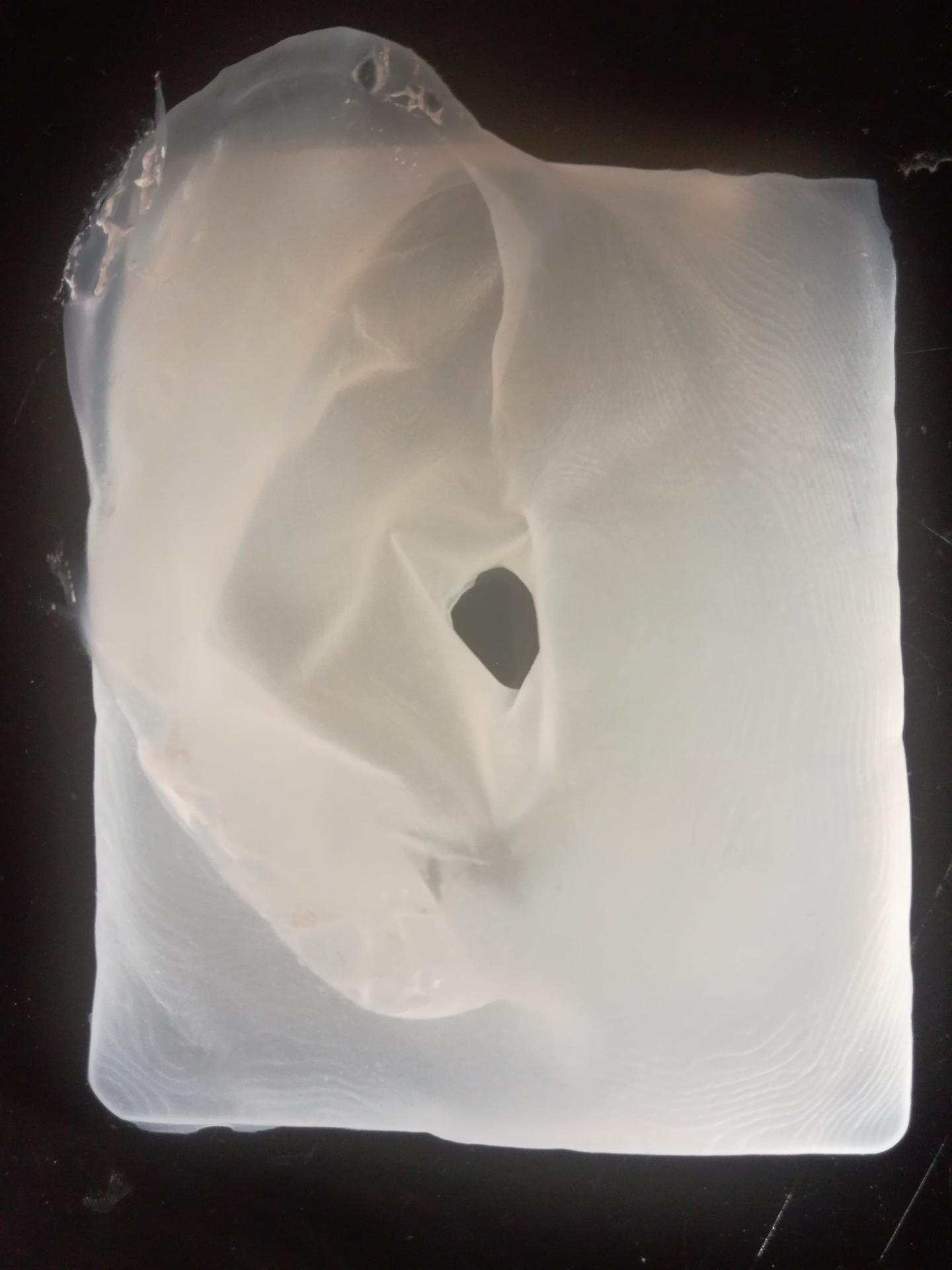
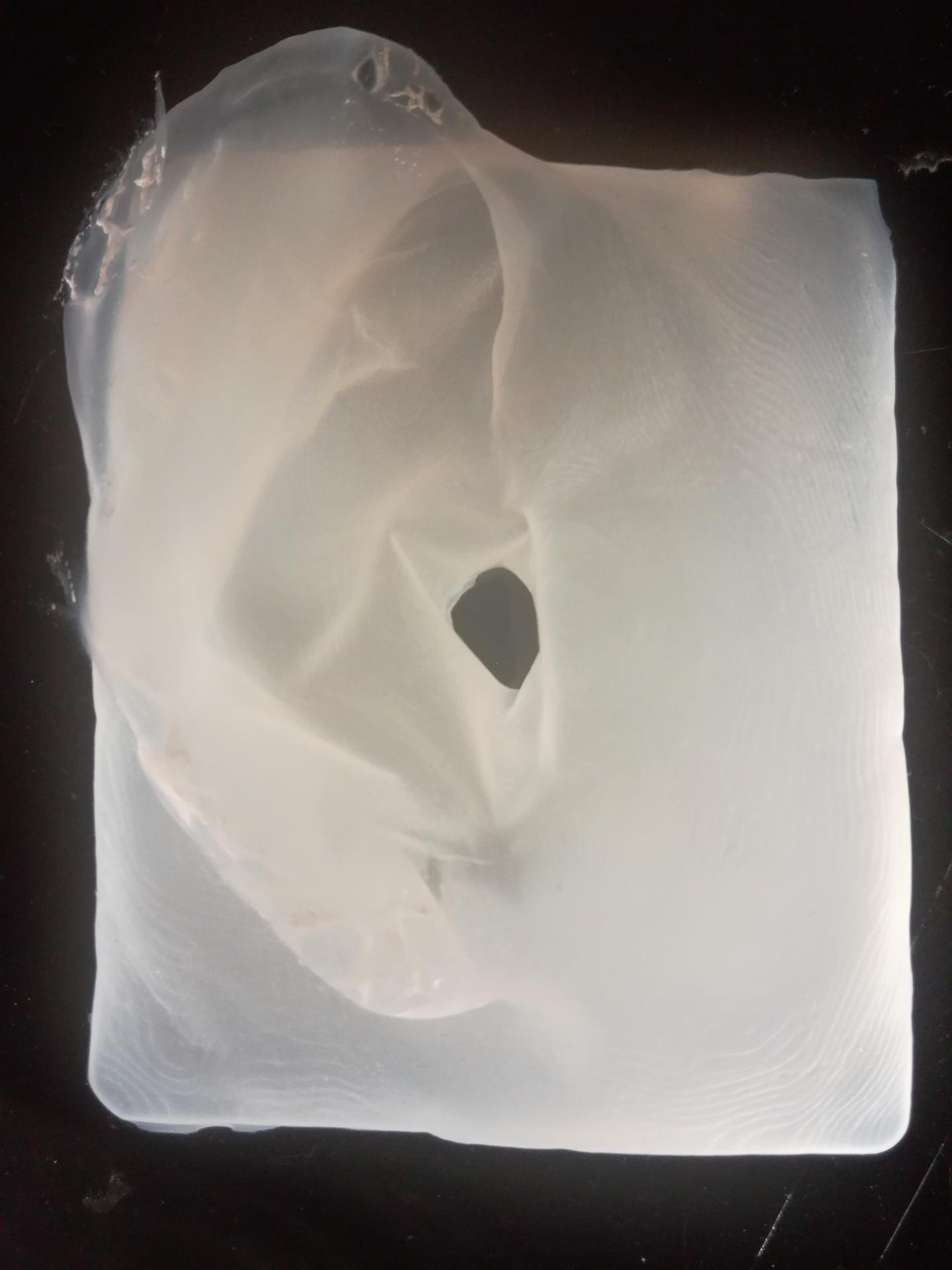
IMAGE

Credit: Luiz G. Greca

Bacterial cellulose (BC) nanofibers are promising building blocks for the development of sustainable materials with the potential to outperform conventional synthetic materials. BC, one of the purest forms of nanocellulose, is produced at the interface between the culture medium and air, where the aerobic bacteria have access to oxygen. Biocompatibility, biodegradability, high thermal stability and mechanical strength are some of the unique properties that facilitate BC adoption in food, cosmetics and biomedical applications including tissue regeneration, implants, wound dressing, burn treatment and artificial blood vessels.

In the study published in Materials Horizons researchers at Aalto University have developed a simple and customizable process that uses superhydrophobic interfaces to finely engineer the bacteria access to oxygen in three dimensions and in multiple length scales, resulting in hollow, seamless, nanocellulose-based pre-determined objects.

"The developed process is an easy and accessible platform for 3D biofabrication that we demonstrated for the synthesis of geometries with excellent fidelity. Fabrication of hollow and complex objects was made possible. Interesting functions were enabled via multi-compartmentalization and encapsulation. For example, we tested in situ loading of functional particles or enzymes with metal organic frameworks, metal nanoparticles with plasmon adsorption, and capsule-in-capsule systems with thermal and chemical resistance", explains Professor Orlando Rojas.

This facilitated biofabrication can be explored in new ways by the biomedical field through scaffolding of artificial organs. Advances in bioengineering, for instance by genome editing or co-culture of microorganisms, might also allow further progress towards the simplified formation of composite materials of highly controlled composition, properties and functions.

###

Article: http://dx.doi.org/10.1039/C7MH01139C

Media Contact

Orlando Rojas
[email protected]
358-505-124-227
@aaltouniversity

http://www.aalto.fi/en/

Original Source

http://www.aalto.fi/en/current/news/2018-03-25/ http://dx.doi.org/10.1039/C7MH01139C

Share12Tweet8Share2ShareShareShare2

Related Posts

Climate Change Impacts Extend into the Lives of Great-Great-Grandchildren

Climate Change Impacts Extend into the Lives of Great-Great-Grandchildren

April 8, 2026
Scans Reveal ‘Oldest Octopus’ Fossil Is Not an Octopus After All

Scans Reveal ‘Oldest Octopus’ Fossil Is Not an Octopus After All

April 8, 2026

Bacteria Engineered with Dual Enzyme System Achieve Full Alginate Breakdown, Unlocking Seaweed’s Potential

April 7, 2026

New Insights into Acute Respiratory Distress Syndrome (ARDS) in Critically Ill Cirrhosis Patients

April 7, 2026
Please login to join discussion

POPULAR NEWS

  • blank

    Revolutionary AI Model Enhances Precision in Detecting Food Contamination

    98 shares
    Share 39 Tweet 25
  • Imagine a Social Media Feed That Challenges Your Views Instead of Reinforcing Them

    1010 shares
    Share 399 Tweet 250
  • Popular Anti-Aging Compound Linked to Damage in Corpus Callosum, Study Finds

    44 shares
    Share 18 Tweet 11
  • Promising Outcomes from First Clinical Trials of Gene Regulation in Epilepsy

    51 shares
    Share 20 Tweet 13

About

We bring you the latest biotechnology news from best research centers and universities around the world. Check our website.

Follow us

Recent News

Retraction: Algae-Copper Nanocatalyst in Wastewater Treatment

XPANCEO Advances High-Precision Passive Eye-Tracking Technology for Smart Contact Lenses

Young Forest Owners in Finland Face Challenges Balancing Their Values

Subscribe to Blog via Email

Enter your email address to subscribe to this blog and receive notifications of new posts by email.

Join 78 other subscribers
  • Contact Us

Bioengineer.org © Copyright 2023 All Rights Reserved.

Welcome Back!

Login to your account below

Forgotten Password?

Retrieve your password

Please enter your username or email address to reset your password.

Log In
No Result
View All Result
  • Homepages
    • Home Page 1
    • Home Page 2
  • News
  • National
  • Business
  • Health
  • Lifestyle
  • Science

Bioengineer.org © Copyright 2023 All Rights Reserved.