

• HOME
  • NEWS
  • EXPLORE
    • CAREER
      • Companies
      • Jobs
    • EVENTS
    • iGEM
      • News
      • Team
    • PHOTOS
    • VIDEO
    • WIKI
  • BLOG
  • COMMUNITY
    • FACEBOOK
    • INSTAGRAM
    • TWITTER
Saturday, February 7, 2026
BIOENGINEER.ORG
No Result
View All Result
  • Login
  • HOME
  • NEWS
  • EXPLORE
    • CAREER
      • Companies
      • Jobs
        • Lecturer
        • PhD Studentship
        • Postdoc
        • Research Assistant
    • EVENTS
    • iGEM
      • News
      • Team
    • PHOTOS
    • VIDEO
    • WIKI
  • BLOG
  • COMMUNITY
    • FACEBOOK
    • INSTAGRAM
    • TWITTER
  • HOME
  • NEWS
  • EXPLORE
    • CAREER
      • Companies
      • Jobs
        • Lecturer
        • PhD Studentship
        • Postdoc
        • Research Assistant
    • EVENTS
    • iGEM
      • News
      • Team
    • PHOTOS
    • VIDEO
    • WIKI
  • BLOG
  • COMMUNITY
    • FACEBOOK
    • INSTAGRAM
    • TWITTER
No Result
View All Result
Bioengineer.org
No Result
View All Result
Home NEWS Science News Biology

Recent study documents damage to rice crops by three fall-applied residual herbicides

Bioengineer by Bioengineer
November 15, 2018
in Biology
Reading Time: 2 mins read
0
Share on FacebookShare on TwitterShare on LinkedinShare on RedditShare on Telegram
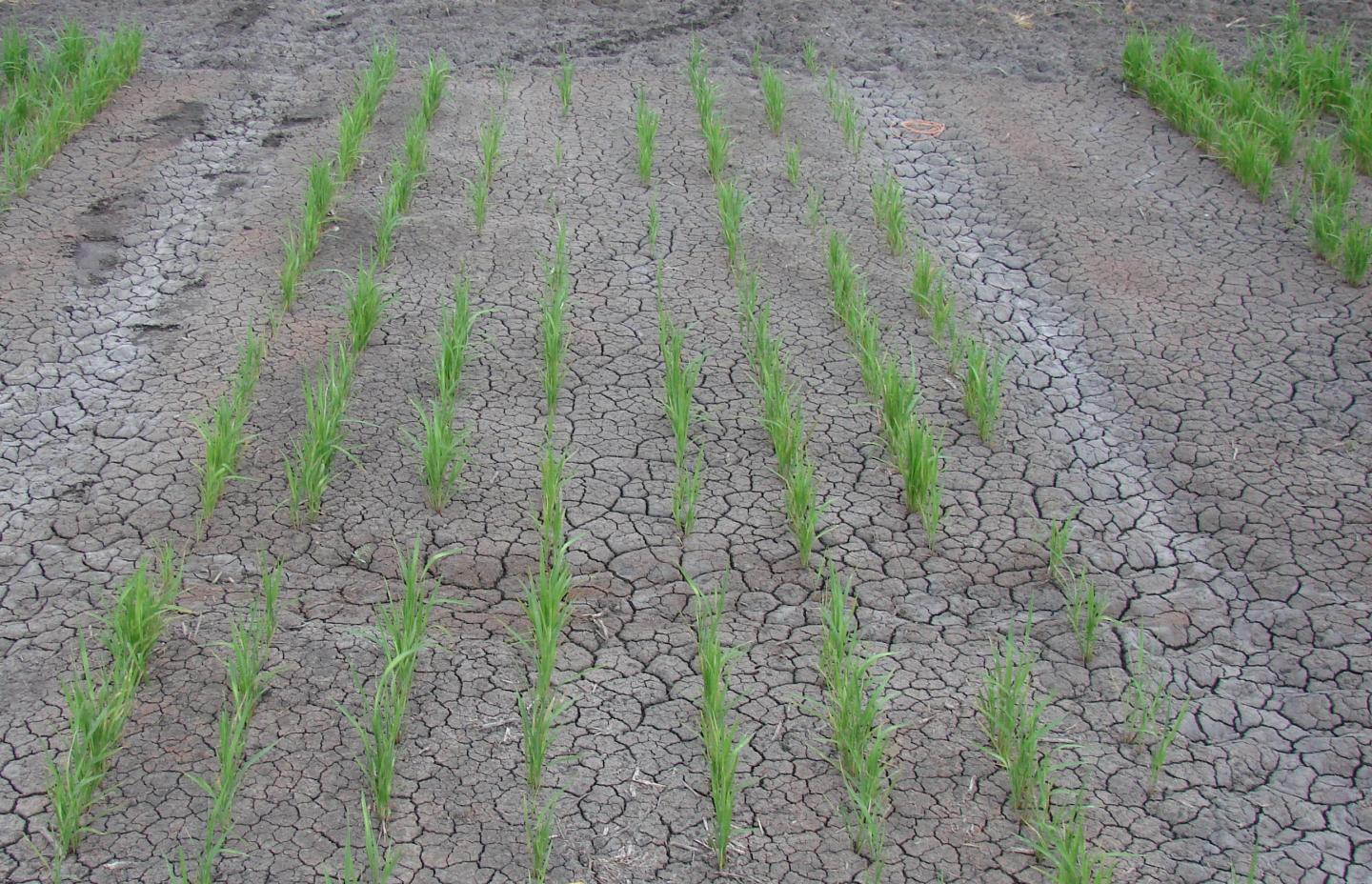
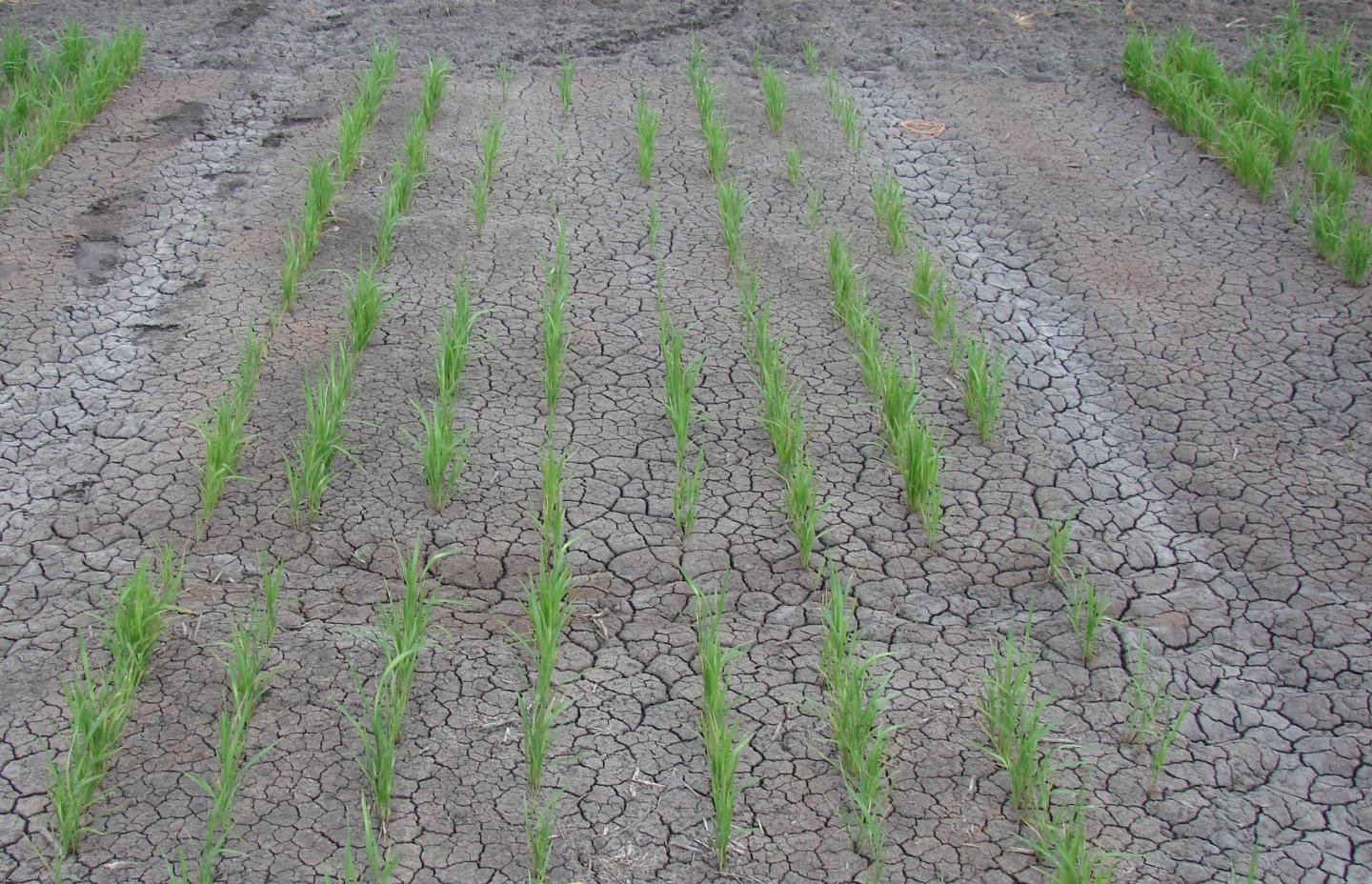
IMAGE

Credit: Weed Technology vol 32 issue 5

WESTMINSTER, Colorado – November 15, 2018 – Fall-applied residual herbicides are a commonly used control for glyphosate-resistant Italian ryegrass – one of the most troublesome weeds in Mid-South row crops. But research published in the journal Weed Technology shows rice growers need to be cautious. Some residual herbicides can have a negative impact on rice crop performance.

The warning follows field studies conducted in Stoneville, Mississippi, where rice is frequently planted in rotation with soybean, grain sorghum, and cotton. Researchers made fall applications of clomazone, pyroxasulfone, S-metolachlor, and trifluralin to determine their impact on subsequent rice growth and yields.

Each herbicide was applied at both the suggested use rate and at two times the suggested use rate to see whether their persistence in the soil would negatively influence rice planted during the following growing season.

Fourteen days after rice crop emergence, scientists found that pyroxasulfone, S-metolachlor, and trifluralin had produced greater injury to plants than clomazone, regardless of the application rate. The same was true for rice seedling density, height, and maturity.

"Among the herbicides in our study, only clomazone should be used as a fall-applied residual herbicide to target glyphosate-resistant Italian ryegrass prior to seeding rice crops," says Jason Bond of Mississippi State University.

###

Full text of the article, "Effect of Fall-applied Residual Herbicides on Rice Growth and Yield" is now available in Weed Technology Vol. 32, Issue 5.

About Weed Technology

Weed Technology is a journal of the Weed Science Society of America, a nonprofit scientific society focused on weeds and their impact on the environment. The publication presents original research and special articles about weeds, crops and new technologies used for more effective weed management. To learn more, visit http://www.wssa.net.

Media Contact

Natalie Warrender
[email protected]

http://www.cambridge.org/

Related Journal Article

http://dx.doi.org/10.1017/wet.2018.41

Share12Tweet8Share2ShareShareShare2

Related Posts

Florida Cane Toad: Complex Spread and Selective Evolution

Florida Cane Toad: Complex Spread and Selective Evolution

February 7, 2026
New Study Uncovers Mechanism Behind Burn Pit Particulate Matter–Induced Lung Inflammation

New Study Uncovers Mechanism Behind Burn Pit Particulate Matter–Induced Lung Inflammation

February 6, 2026

DeepBlastoid: Advancing Automated and Efficient Evaluation of Human Blastoids with Deep Learning

February 6, 2026

Navigating the Gut: The Role of Formic Acid in the Microbiome

February 6, 2026
Please login to join discussion

POPULAR NEWS

  • Robotic Ureteral Reconstruction: A Novel Approach

    Robotic Ureteral Reconstruction: A Novel Approach

    82 shares
    Share 33 Tweet 21
  • Digital Privacy: Health Data Control in Incarceration

    63 shares
    Share 25 Tweet 16
  • Study Reveals Lipid Accumulation in ME/CFS Cells

    57 shares
    Share 23 Tweet 14
  • Breakthrough in RNA Research Accelerates Medical Innovations Timeline

    53 shares
    Share 21 Tweet 13

About

We bring you the latest biotechnology news from best research centers and universities around the world. Check our website.

Follow us

Recent News

Evaluating Pediatric Emergency Care Quality in Ethiopia

TPMT Expression Predictions Linked to Azathioprine Side Effects

Improving Dementia Care with Enhanced Activity Kits

Subscribe to Blog via Email

Enter your email address to subscribe to this blog and receive notifications of new posts by email.

Join 73 other subscribers
  • Contact Us

Bioengineer.org © Copyright 2023 All Rights Reserved.

Welcome Back!

Login to your account below

Forgotten Password?

Retrieve your password

Please enter your username or email address to reset your password.

Log In
No Result
View All Result
  • Homepages
    • Home Page 1
    • Home Page 2
  • News
  • National
  • Business
  • Health
  • Lifestyle
  • Science

Bioengineer.org © Copyright 2023 All Rights Reserved.