

• HOME
  • NEWS
  • EXPLORE
    • CAREER
      • Companies
      • Jobs
    • EVENTS
    • iGEM
      • News
      • Team
    • PHOTOS
    • VIDEO
    • WIKI
  • BLOG
  • COMMUNITY
    • FACEBOOK
    • INSTAGRAM
    • TWITTER
Saturday, February 7, 2026
BIOENGINEER.ORG
No Result
View All Result
  • Login
  • HOME
  • NEWS
  • EXPLORE
    • CAREER
      • Companies
      • Jobs
        • Lecturer
        • PhD Studentship
        • Postdoc
        • Research Assistant
    • EVENTS
    • iGEM
      • News
      • Team
    • PHOTOS
    • VIDEO
    • WIKI
  • BLOG
  • COMMUNITY
    • FACEBOOK
    • INSTAGRAM
    • TWITTER
  • HOME
  • NEWS
  • EXPLORE
    • CAREER
      • Companies
      • Jobs
        • Lecturer
        • PhD Studentship
        • Postdoc
        • Research Assistant
    • EVENTS
    • iGEM
      • News
      • Team
    • PHOTOS
    • VIDEO
    • WIKI
  • BLOG
  • COMMUNITY
    • FACEBOOK
    • INSTAGRAM
    • TWITTER
No Result
View All Result
Bioengineer.org
No Result
View All Result
Home NEWS Science News Biology

Scientists uncover crucial biological circuits that regulate lipids and their role in overall health

Bioengineer by Bioengineer
November 13, 2018
in Biology
Reading Time: 2 mins read
0
Share on FacebookShare on TwitterShare on LinkedinShare on RedditShare on Telegram
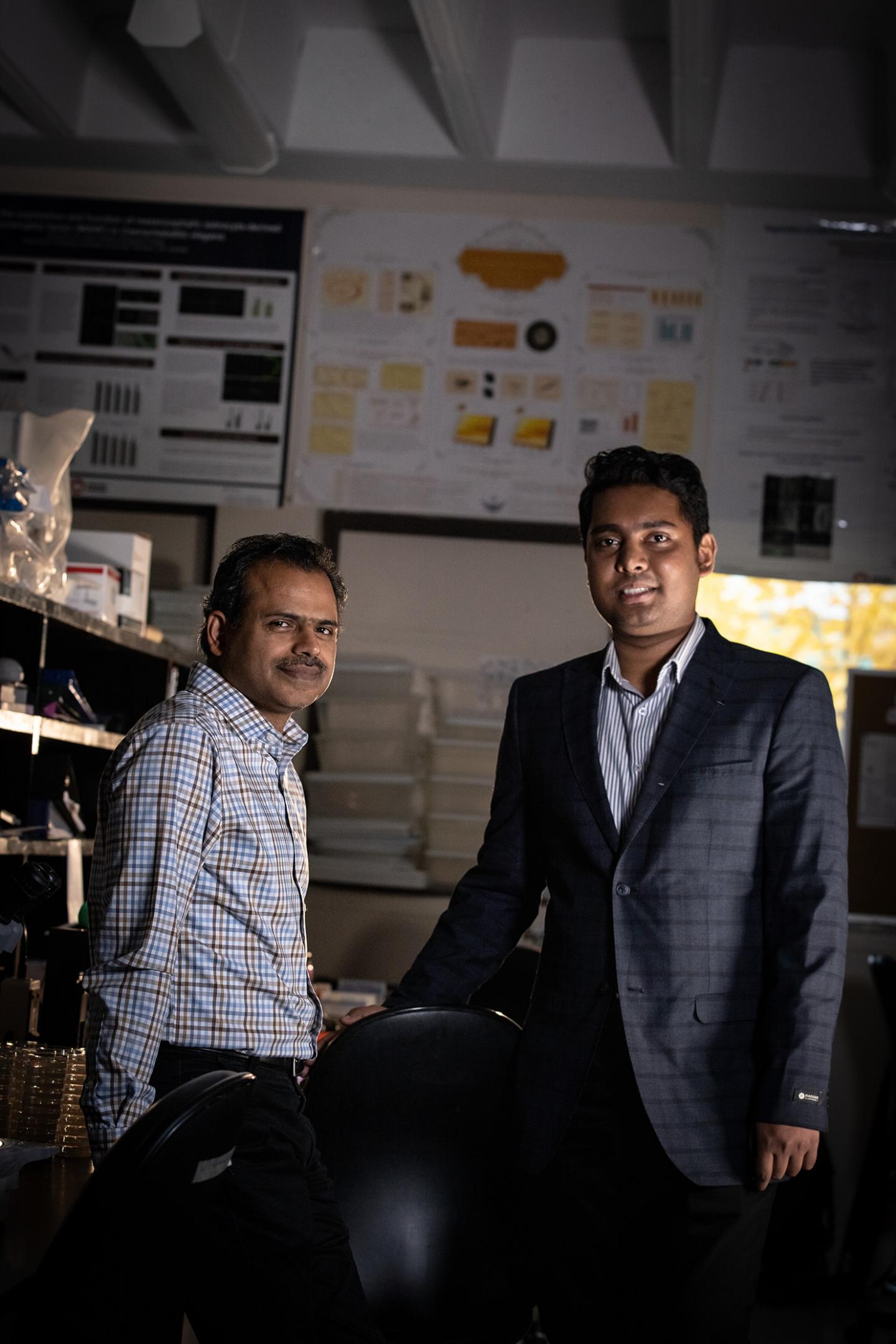
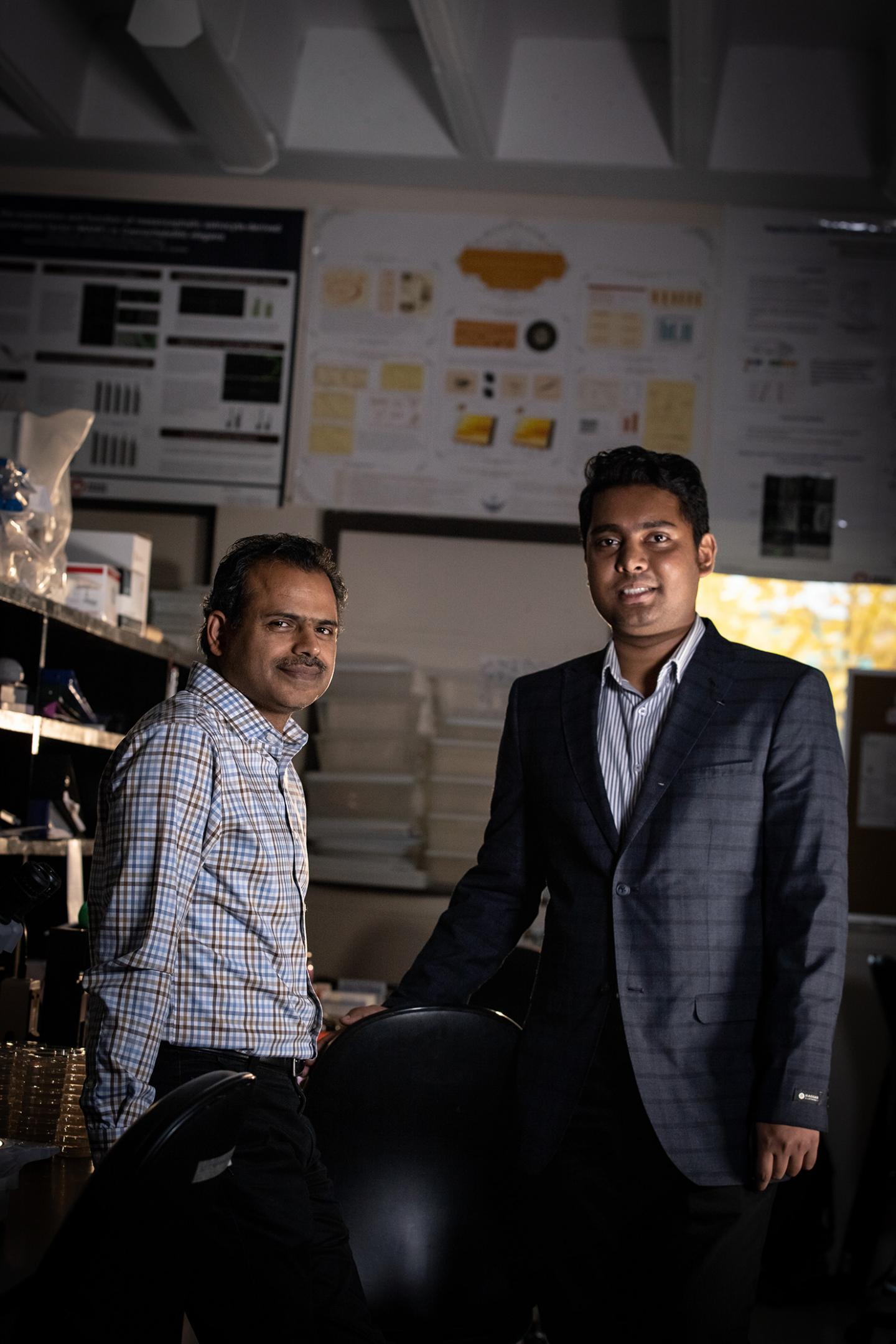
IMAGE

Credit: JD Howell, McMaster University

Tiny microscopic worms, invisible to the naked eye, are helping scientists to better understand an extraordinarily complex biological pathway that connects fat to overall health and aging in humans.

A team of biologists from McMaster University studying these worms called C. elegans, or nematodes, has found that the regulation of lipid production, and the delicate balance of too much or too little fat, is crucial to healthy living.

The findings, published online in the journal PLOS One, point to a fundamental process of lipid regulation that happens in the WNT signalling pathway, a widely-studied genetic thoroughfare that, when mutated, is directly linked to a variety of cancers.

The nematodes provide an ideal model of human systems, say scientists, they reach maturity in less than 72 hours, living no more than three weeks in total, allows researchers to obtain results of experimental manipulations relatively quickly.

"We get to see the entire life history in less than a month and then we can ask questions about how genes are functioning within this system and what changes are taking place as the animals are growing and maturing," says Bhagwati Gupta, a professor of biology at McMaster, whose lab has been studying nematodes for almost 15 years.

Gupta and his team–co-authors Avijit Mallick and Ayush Ranawade, both PhD candidates–were puzzled and intrigued when they initially discovered that nematodes carrying a defective WNT pathway gene had low lipid levels and died much earlier. Further experiments confirmed that when the worms were fed with a high-fat component of olive oil, called oleic acid, the lipid levels recovered and they subsequently lived longer.

The findings have uncovered a novel genetic control of lipid maintenance and its potential connection to lifespan. The team is currently working to understand how the newly discovered genetic mechanism links lipids to aging.

The implications could be significant, the researchers say. For example, the pathway could be manipulated by drugs to restore fat levels or targeted for better treatments of lipid-related conditions that occur during aging and diseases such as hypertension, metabolic syndromes and glucose intolerance.

"Aging is very complex. Things start to go wrong in all directions as we age," says Gupta. "Susceptibility to disease increases, the genes start to function poorly over time, muscles start to degenerate, our physiology changes, fat distribution and accumulation become abnormal, metabolic rate goes down, and we tend to eat less. Basically, all kinds of unwanted things begin to happen in the body," he says.

"There are so many ways organisms age and I would say this is the challenge for researchers: how do we identify critical processes or factors inside cells that could be manipulated to not just live longer but healthier?"

###

Attention editors: A video explaining the research can be found here: https://youtu.be/yxzK67IibPQ

A copy of the study can be found at this link: https://journals.plos.org/plosone/article?id=10.1371/journal.pone.0206540

Media Contact

Michelle Donovan
[email protected]
905-525-9140
@mcmasteru

Home

Share12Tweet8Share2ShareShareShare2

Related Posts

New Study Uncovers Mechanism Behind Burn Pit Particulate Matter–Induced Lung Inflammation

New Study Uncovers Mechanism Behind Burn Pit Particulate Matter–Induced Lung Inflammation

February 6, 2026

DeepBlastoid: Advancing Automated and Efficient Evaluation of Human Blastoids with Deep Learning

February 6, 2026

Navigating the Gut: The Role of Formic Acid in the Microbiome

February 6, 2026

AI-Enhanced Optical Coherence Photoacoustic Microscopy Revolutionizes 3D Cancer Model Imaging

February 6, 2026
Please login to join discussion

POPULAR NEWS

  • Robotic Ureteral Reconstruction: A Novel Approach

    Robotic Ureteral Reconstruction: A Novel Approach

    82 shares
    Share 33 Tweet 21
  • Digital Privacy: Health Data Control in Incarceration

    63 shares
    Share 25 Tweet 16
  • Study Reveals Lipid Accumulation in ME/CFS Cells

    57 shares
    Share 23 Tweet 14
  • Breakthrough in RNA Research Accelerates Medical Innovations Timeline

    53 shares
    Share 21 Tweet 13

About

We bring you the latest biotechnology news from best research centers and universities around the world. Check our website.

Follow us

Recent News

Scientists Identify SARS-CoV-2 PLpro and RIPK1 Inhibitors Showing Potent Synergistic Antiviral Effects in Mouse COVID-19 Model

Neg-Entropy: The Key Therapeutic Target for Chronic Diseases

Multidisciplinary Evidence-Based Guidelines for Therapeutic Drug Monitoring of Biologics in Inflammatory Bowel Disease

Subscribe to Blog via Email

Enter your email address to subscribe to this blog and receive notifications of new posts by email.

Join 73 other subscribers
  • Contact Us

Bioengineer.org © Copyright 2023 All Rights Reserved.

Welcome Back!

Login to your account below

Forgotten Password?

Retrieve your password

Please enter your username or email address to reset your password.

Log In
No Result
View All Result
  • Homepages
    • Home Page 1
    • Home Page 2
  • News
  • National
  • Business
  • Health
  • Lifestyle
  • Science

Bioengineer.org © Copyright 2023 All Rights Reserved.