Credit: Kent State University
Kent State Biologist Wins Grant to Study Neurological Roots of Chronic Stress and Fear
People who suffer trauma will, with few exceptions, never forget what happened to them, but a Kent State University researcher may be able to offer them the hope of living without constant fear and anxiety.
John D. Johnson, Ph.D., associate professor of biological sciences in Kent State's College of Arts and Sciences, received a three-year, $450,000 grant from the National Institutes of Health (NIH) for a study that could provide a better understanding of how we create deeply ingrained fear memories – and how to stop them.
"People have these horrible things that happen to them, and they're reliving them, and the memories are so ingrained," Dr. Johnson said. "Our question is can we reverse those or block those from making such strong memories?"
Dr. Johnson said it all comes down to the amygdala, a small area near the front of the brain that is responsible for our response to and memory of emotions, namely fear.
Among the cells in the amygdala are microglia, the central nervous system's first line of immunity defense.
Microglia, in turn, produce cytokines. Cytokines – which are also produced by other types of brain cells – are associated with neurological problems, including chronic anxiety, depression and post-traumatic stress.
"We know chronic stress can result in a lot of behavioral changes, like depression and anxiety," Dr. Johnson said. "Our lab has shown previously that animals that are exposed to chronic stress have this increased ability to form fear memories."
In his new study, Dr. Johnson will use similar rodent models designed to mimic the conditions he hopes to be able to treat in humans.
"They are more prone to remembering fearful events," he said. "There's this increased ability to form these fear memories. With exposure to chronic stress, we see an increased response in brain cytokines, and we're looking to see if these contribute to the formation of these fear memories or enhance the consolidation of these memories."
The first stage of Dr. Johnson's project is to determine the role cytokines play in the formation of fear memories. The second is to determine if the cytokines come from the microglia. If they do, Dr. Johnson said he hopes to be able to use a virus to control the microglia in order to turn cytokine production off and on.
"We think that's really important, potentially, for anxiety and PTSD," Dr. Johnson said. "If you're under chronic stress and you're exposed to something bad, then you're going to remember that and you're going to contemplate that over and over again.
"We think that if we inhibit the microglia during the pairing of environmental cues and stress memory, then we can prevent the exaggerated anxiety that we see in these animals," he said.
###
For more information about Kent State's Department of Biological Sciences, visit http://www.kent.edu/biology.
Photo Caption:
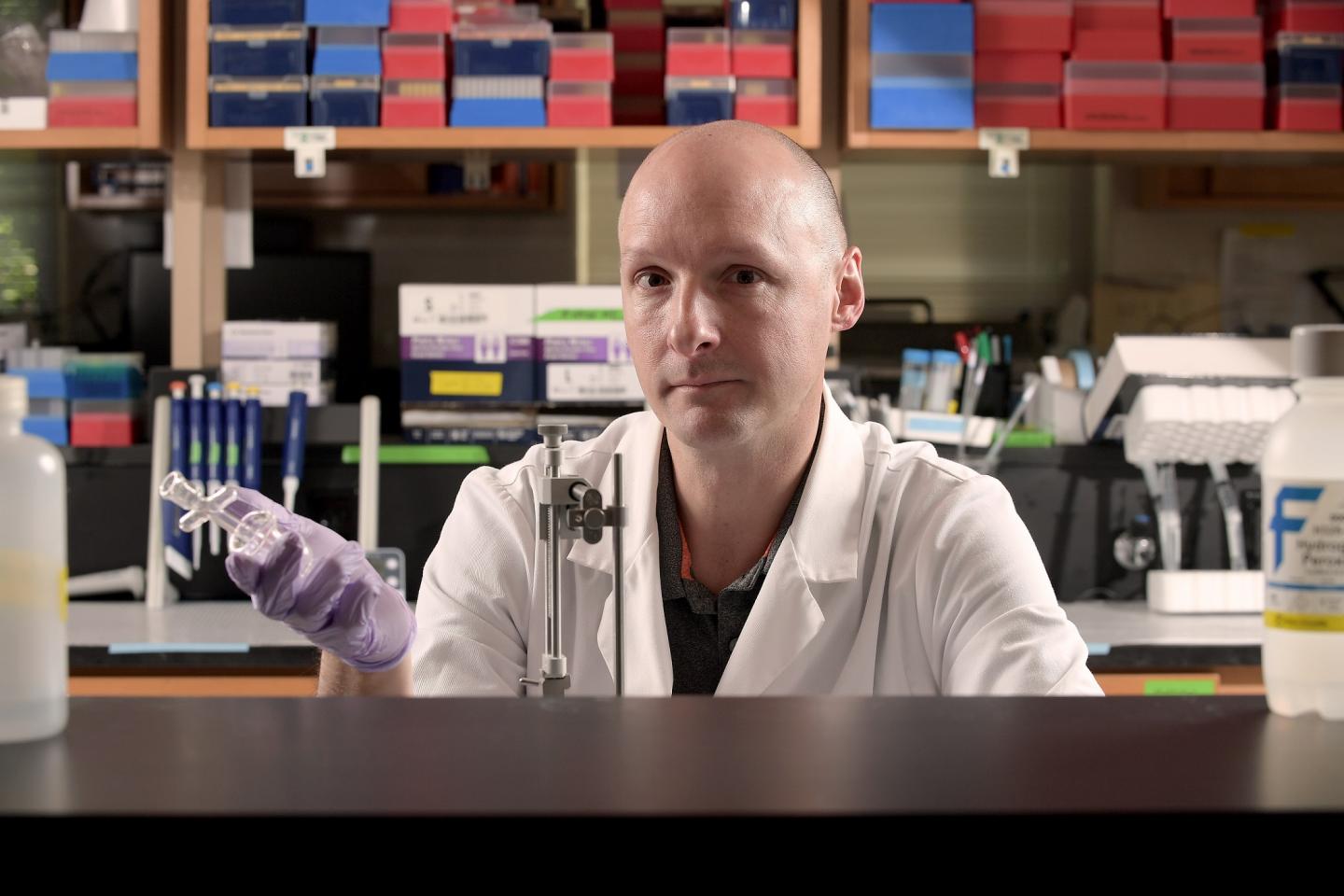
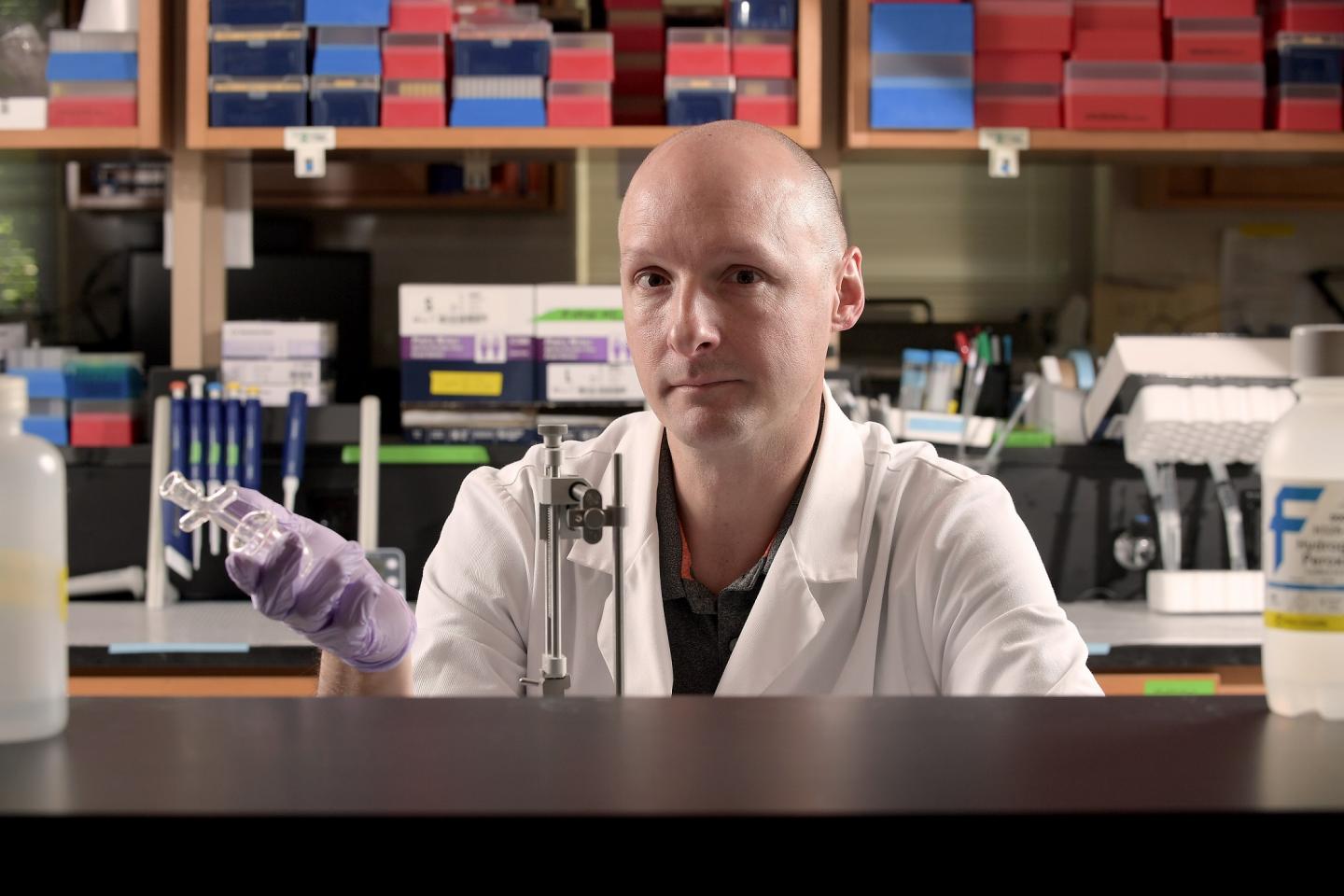
John D. Johnson, Ph.D., associate professor of biological sciences at Kent State University, received a three-year, $450,000 grant from the National Institutes of Health for a study that could provide a better understanding of how we create deeply ingrained fear memories – and how to stop them.
Media Contacts:
Dan Pompili, [email protected], 330-672-0731
Emily Vincent, [email protected], 330-672-8595
Media Contact
Dan Pompili
[email protected]
330-672-0731
@ksunews
http://www.kent.edu/
Original Source
https://www.kent.edu/kent/news/kent-state-biologist-wins-grant-study-neurological-roots-chronic-stress-and-fear