• HOME
  • NEWS
  • EXPLORE
    • CAREER
      • Companies
      • Jobs
    • EVENTS
    • iGEM
      • News
      • Team
    • PHOTOS
    • VIDEO
    • WIKI
  • BLOG
  • COMMUNITY
    • FACEBOOK
    • INSTAGRAM
    • TWITTER
Saturday, April 18, 2026
BIOENGINEER.ORG
No Result
View All Result
  • Login
  • HOME
  • NEWS
  • EXPLORE
    • CAREER
      • Companies
      • Jobs
        • Lecturer
        • PhD Studentship
        • Postdoc
        • Research Assistant
    • EVENTS
    • iGEM
      • News
      • Team
    • PHOTOS
    • VIDEO
    • WIKI
  • BLOG
  • COMMUNITY
    • FACEBOOK
    • INSTAGRAM
    • TWITTER
  • HOME
  • NEWS
  • EXPLORE
    • CAREER
      • Companies
      • Jobs
        • Lecturer
        • PhD Studentship
        • Postdoc
        • Research Assistant
    • EVENTS
    • iGEM
      • News
      • Team
    • PHOTOS
    • VIDEO
    • WIKI
  • BLOG
  • COMMUNITY
    • FACEBOOK
    • INSTAGRAM
    • TWITTER
No Result
View All Result
Bioengineer.org
No Result
View All Result
Home NEWS Science News Biology

Probiotics are not always ‘good bacteria’

Bioengineer by Bioengineer
October 25, 2018
in Biology
Reading Time: 2 mins read
0
Share on FacebookShare on TwitterShare on LinkedinShare on RedditShare on Telegram
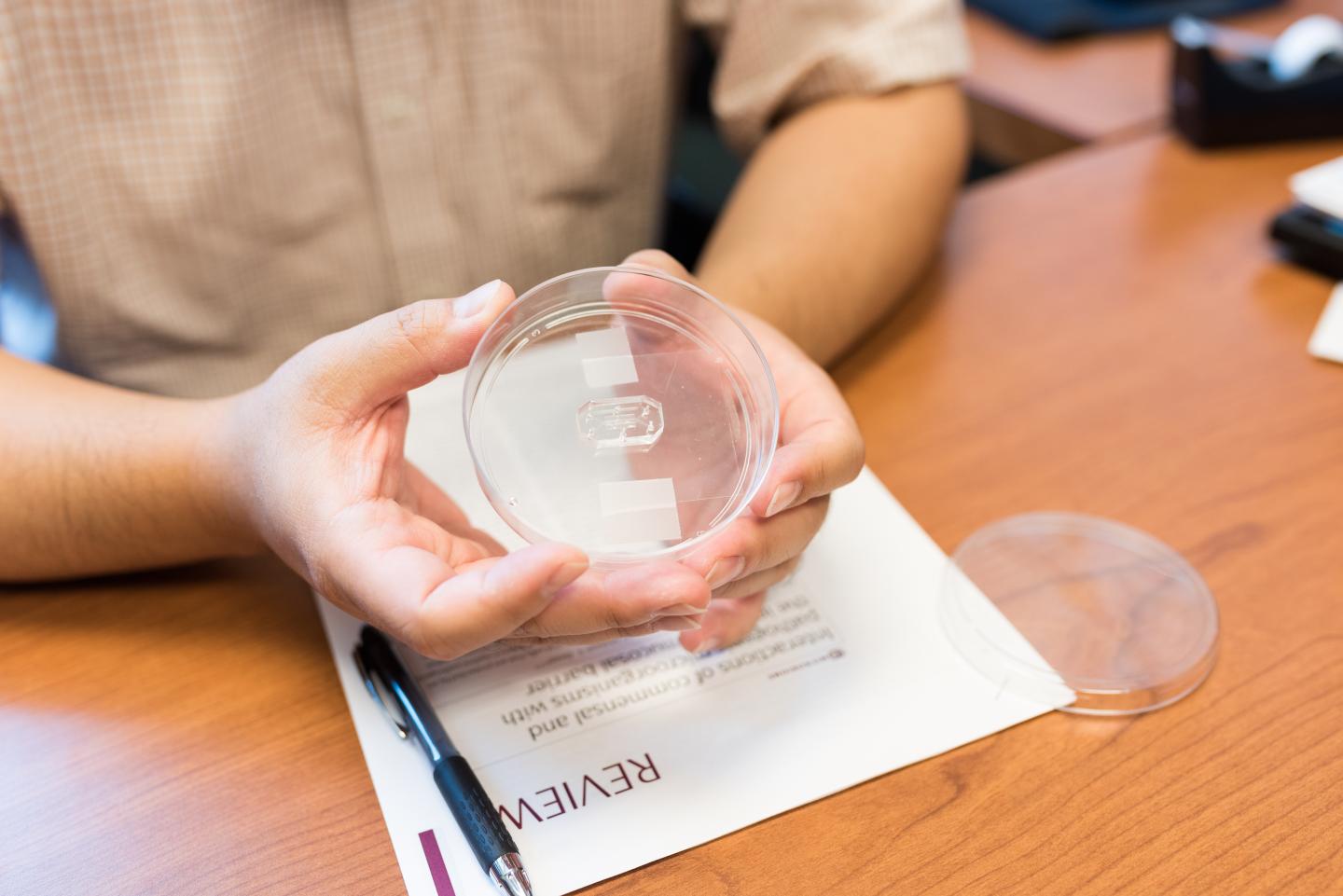
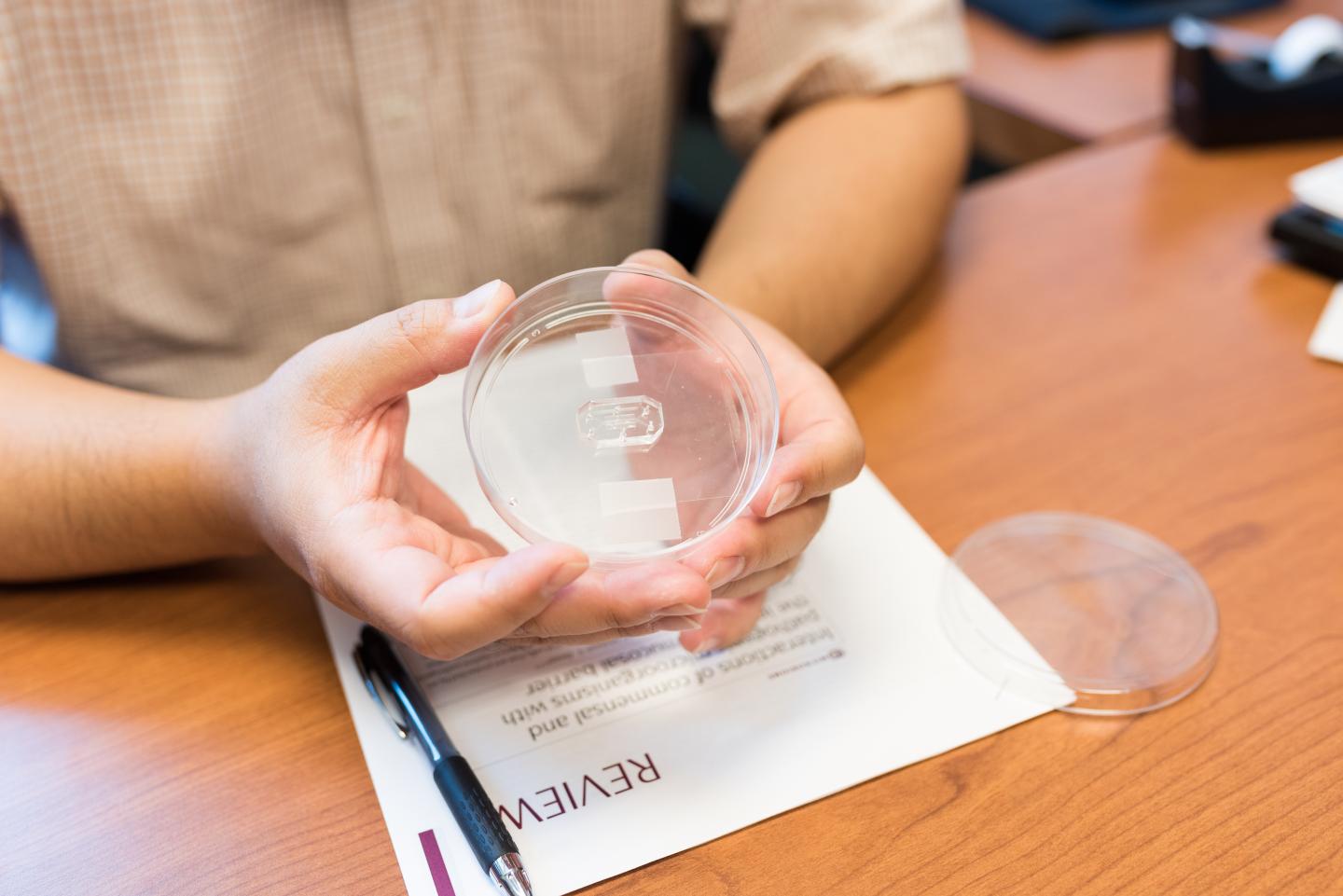
IMAGE

Credit: Cockrell School of Engineering, The University of Texas at Austin

The first study investigating the mechanism of how a disease develops using human organ-on-a-chip technology has been successfully completed by engineers at The University of Texas at Austin.

Researchers from the Cockrell School of Engineering were able to shed light on a part of the human body – the digestive system — where many questions remain unanswered. Using their "gut inflammation-on-a-chip" microphysiological system, the research team confirmed that intestinal barrier disruption is the onset initiator of gut inflammation.

The study also includes evidence that casts doubt on the conventional wisdom of taking probiotics – live bacteria that are considered good for gut health and found in supplements and foods such as yogurt – on a regular basis. According to the findings, the benefits of probiotics depend on the vitality of one's intestinal epithelium, or the gut barrier, a delicate single-cell layer that protects the rest of the body from other potentially harmful bacteria found in the human gut.

"By making it possible to customize specific conditions in the gut, we could establish the original catalyst, or onset initiator, for the disease," said Hyun Jung Kim, assistant professor in the department of biomedical engineering who led the study. "If we can determine the root cause, we can more accurately determine the most appropriate treatment."

The findings are published this week in Proceedings of the National Academy of Sciences.

Until now, organs-on-chips, which are microchips lined by living human cells to model various organs from the heart and lungs to the kidneys and bone marrow, solely served as accurate models of organ functionality in a controlled environment. This is the first time that a diseased organ-on-a-chip has been developed and used to show how a disease develops in the human body — in this case, the researchers examined gut inflammation.

"Once the gut barrier has been damaged, probiotics can be harmful just like any other bacteria that escapes into the human body through a damaged intestinal barrier," said Woojung Shin, a biomedical engineering Ph.D. candidate who worked with Kim on the study. "When the gut barrier is healthy, probiotics are beneficial. When it is compromised, however, they can cause more harm than good. Essentially, 'good fences make good neighbors.' "

Shin plans to develop more customized human intestinal disease models such as for inflammatory bowel disease or colorectal cancer in order to identify how the gut microbiome controls inflammation, cancer metastasis and the efficacy of cancer immunotherapy.

Kim is a leading researcher in the development of human organs-on-chips. He developed the first human gut-on-a-chip in 2012 at Harvard University's Wyss Institute for Biologically Inspired Engineering.

###

This research was supported in part by the Alternatives in Scientific Research of The International Foundation for Ethical Research Graduate Fellowship and the National Research Foundation of Korea.

Media Contact

John Holden
[email protected]
@UTAustin

http://www.utexas.edu
Share12Tweet8Share2ShareShareShare2

Related Posts

On-Demand Growth of Liver Tissue Directly Within the Body

On-Demand Growth of Liver Tissue Directly Within the Body

April 17, 2026
Conserved DNA Architect Links Chloroplasts to Cell Cycle

Conserved DNA Architect Links Chloroplasts to Cell Cycle

April 17, 2026

UTS Study Reveals Toxic Metal Exposure from E-Cigarette Devices

April 17, 2026

Can Exercise Help You Beat Stress Hormones? New Insights from a Clinical Trial

April 17, 2026
Please login to join discussion

POPULAR NEWS

  • Scientists Investigate Possible Connection Between COVID-19 and Increased Lung Cancer Risk

    62 shares
    Share 25 Tweet 16
  • NSF funds machine-learning research at UNO and UNL to study energy requirements of walking in older adults

    100 shares
    Share 40 Tweet 25
  • Boosting Breast Cancer Risk Prediction with Genetics

    47 shares
    Share 19 Tweet 12
  • Popular Anti-Aging Compound Linked to Damage in Corpus Callosum, Study Finds

    46 shares
    Share 18 Tweet 12

About

We bring you the latest biotechnology news from best research centers and universities around the world. Check our website.

Follow us

Recent News

Major UKHSA Study Finds Maternal RSV Vaccination Reduces Infant Hospitalization Risk by More Than 80%

Persistent Measles Vaccine Gaps Found Among Emergency Room Patients

Viral Immunity and Behavior Sustain Low Mpox Rates

Subscribe to Blog via Email

Enter your email address to subscribe to this blog and receive notifications of new posts by email.

Join 79 other subscribers
  • Contact Us

Bioengineer.org © Copyright 2023 All Rights Reserved.

Welcome Back!

Login to your account below

Forgotten Password?

Retrieve your password

Please enter your username or email address to reset your password.

Log In
No Result
View All Result
  • Homepages
    • Home Page 1
    • Home Page 2
  • News
  • National
  • Business
  • Health
  • Lifestyle
  • Science

Bioengineer.org © Copyright 2023 All Rights Reserved.