• HOME
  • NEWS
  • EXPLORE
    • CAREER
      • Companies
      • Jobs
    • EVENTS
    • iGEM
      • News
      • Team
    • PHOTOS
    • VIDEO
    • WIKI
  • BLOG
  • COMMUNITY
    • FACEBOOK
    • INSTAGRAM
    • TWITTER
Saturday, February 7, 2026
BIOENGINEER.ORG
No Result
View All Result
  • Login
  • HOME
  • NEWS
  • EXPLORE
    • CAREER
      • Companies
      • Jobs
        • Lecturer
        • PhD Studentship
        • Postdoc
        • Research Assistant
    • EVENTS
    • iGEM
      • News
      • Team
    • PHOTOS
    • VIDEO
    • WIKI
  • BLOG
  • COMMUNITY
    • FACEBOOK
    • INSTAGRAM
    • TWITTER
  • HOME
  • NEWS
  • EXPLORE
    • CAREER
      • Companies
      • Jobs
        • Lecturer
        • PhD Studentship
        • Postdoc
        • Research Assistant
    • EVENTS
    • iGEM
      • News
      • Team
    • PHOTOS
    • VIDEO
    • WIKI
  • BLOG
  • COMMUNITY
    • FACEBOOK
    • INSTAGRAM
    • TWITTER
No Result
View All Result
Bioengineer.org
No Result
View All Result
Home NEWS Science News Health

University of Pittsburgh receives $1.2 million NSF grant to analyze anesthesia big data

Bioengineer by Bioengineer
October 18, 2018
in Health
Reading Time: 2 mins read
0
Share on FacebookShare on TwitterShare on LinkedinShare on RedditShare on Telegram
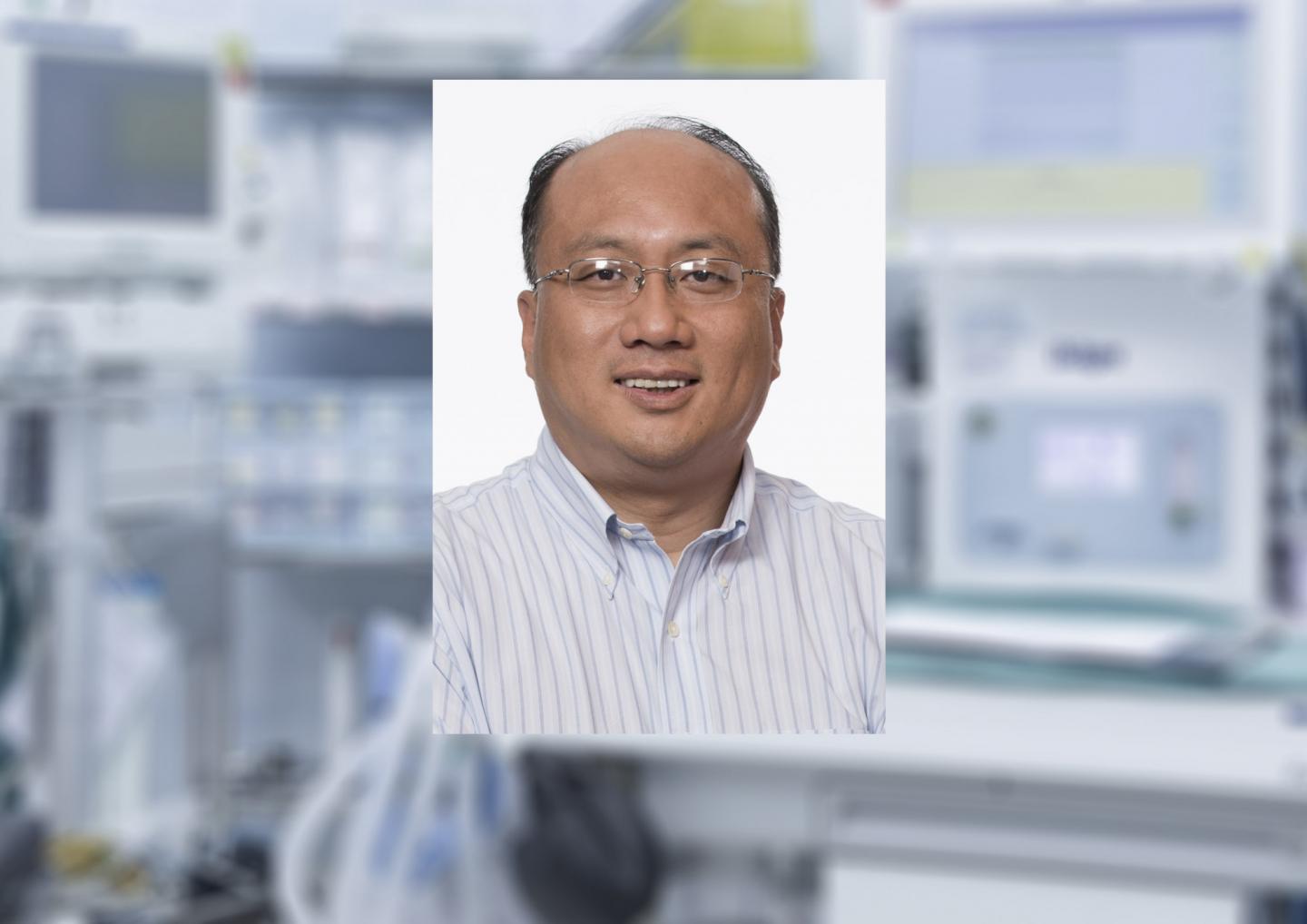
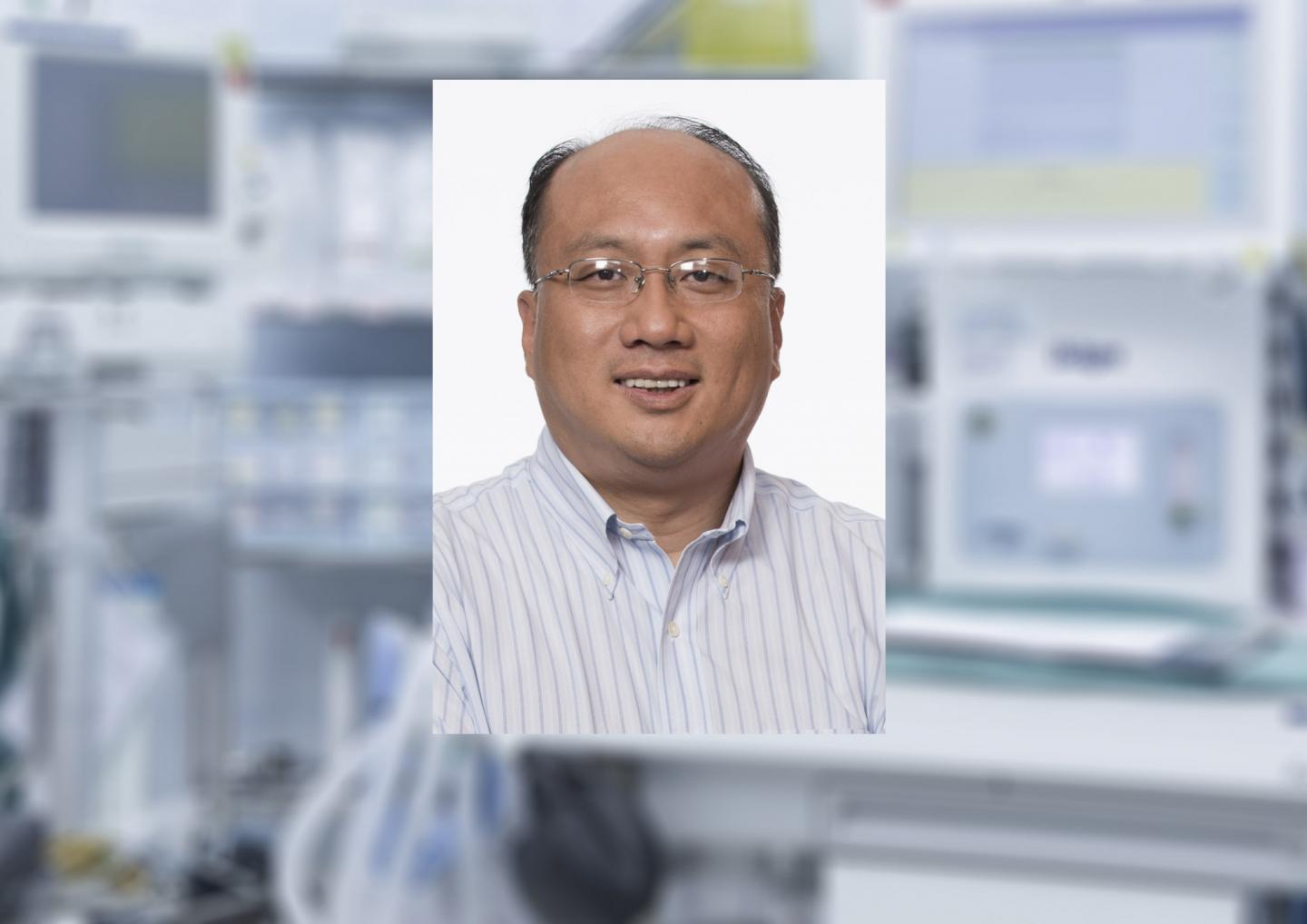
IMAGE

Credit: Swanson School of Engineering

PITTSBURGH (October 18, 2018) … The National Science Foundation awarded $1,182,305 to the University of Pittsburgh Swanson School of Engineering to support research into using machine learning and Big Data to analyze electronic anesthesia records and prevent postoperative complications and death.

Heng Huang, John A. Jurenko Professor in Computer Engineering at Pitt, is principal investigator on the study titled "SCH: INT: New Machine Learning Framework to Conduct Anesthesia Risk Stratification and Decision Support for Precision Health" (Award No. 1838627). Dr. Huang will analyze more than two million cases of anesthesia data taken from 303 UPMC clinics and treatment centers.

"A human doctor uses guidelines from manuals in combination with subjective experience to determine patients' risk factors and needs," says Dr. Huang. "We are using artificial intelligence and machine learning to develop an objective way to predict surgical outcomes based on historical patient data."

Dr. Huang is collaborating with University of Pittsburgh co-principal investigators Dan Li, assistant professor in the School of Nursing, and Fei Zhang, certified registered nurse anesthetist in the Department of Anesthesiology and Perioperative Medicine.

The research team will design new deep learning algorithms and software to mine patient data and identify common risk factors in patients about to receive anesthesia. They will then develop a "decision support system" to better inform doctors when patients are at high risk for post-operative complications and in-hospital mortality.

Dr. Huang explains, "Many patients come in to the hospital with so much information about them on file that doctors don't have a comprehensive way to consider all the variables and their interactions. With a computer, you really can do a better job than a human of determining how all that data is going to predict patient outcomes."

To create a large-scale, machine learning framework capable of predicting patient outcomes, Dr. Huang will employ several emerging computational technologies including deep learning, semi-supervised learning, and large-scale optimization.

Dr. Huang has been creating new machine learning techniques to address biomedical applications throughout his career. Some of his past projects involved analyzing big imaging genomic data to help identify Alzheimer's disease at earlier stages, data mining electronic medical records to personalize patient treatment, integrating histopathological images and cancer genomics for personalized medicine and building interactive gene expression databases.

"I've focused on applying computational techniques to biomedical applications for about the past 15 years because you can really make a big impact on improving people's quality of life and benefiting humanity with A.I. in ways humans cannot achieve alone," says Dr. Huang.

###

Media Contact

Matt Cichowicz
[email protected]
412-383-0449

http://www.pitt.edu

Original Source

https://www.engineering.pitt.edu/News/2018/Heng-Huang-Anesthesia-Grant/
Share12Tweet8Share2ShareShareShare2

Related Posts

Personalized Guide to Understanding and Reducing Chemicals

February 7, 2026

Inflammasome Protein ASC Drives Pancreatic Cancer Metabolism

February 7, 2026

Phage-Antibiotic Combo Beats Resistant Peritoneal Infection

February 7, 2026

Boosting Remote Healthcare: Stepped-Wedge Trial Insights

February 7, 2026
Please login to join discussion

POPULAR NEWS

  • Robotic Ureteral Reconstruction: A Novel Approach

    Robotic Ureteral Reconstruction: A Novel Approach

    82 shares
    Share 33 Tweet 21
  • Digital Privacy: Health Data Control in Incarceration

    63 shares
    Share 25 Tweet 16
  • Study Reveals Lipid Accumulation in ME/CFS Cells

    57 shares
    Share 23 Tweet 14
  • Breakthrough in RNA Research Accelerates Medical Innovations Timeline

    53 shares
    Share 21 Tweet 13

About

We bring you the latest biotechnology news from best research centers and universities around the world. Check our website.

Follow us

Recent News

Personalized Guide to Understanding and Reducing Chemicals

Inflammasome Protein ASC Drives Pancreatic Cancer Metabolism

Phage-Antibiotic Combo Beats Resistant Peritoneal Infection

Subscribe to Blog via Email

Enter your email address to subscribe to this blog and receive notifications of new posts by email.

Join 73 other subscribers
  • Contact Us

Bioengineer.org © Copyright 2023 All Rights Reserved.

Welcome Back!

Login to your account below

Forgotten Password?

Retrieve your password

Please enter your username or email address to reset your password.

Log In
No Result
View All Result
  • Homepages
    • Home Page 1
    • Home Page 2
  • News
  • National
  • Business
  • Health
  • Lifestyle
  • Science

Bioengineer.org © Copyright 2023 All Rights Reserved.