

• HOME
  • NEWS
  • EXPLORE
    • CAREER
      • Companies
      • Jobs
    • EVENTS
    • iGEM
      • News
      • Team
    • PHOTOS
    • VIDEO
    • WIKI
  • BLOG
  • COMMUNITY
    • FACEBOOK
    • INSTAGRAM
    • TWITTER
Saturday, February 7, 2026
BIOENGINEER.ORG
No Result
View All Result
  • Login
  • HOME
  • NEWS
  • EXPLORE
    • CAREER
      • Companies
      • Jobs
        • Lecturer
        • PhD Studentship
        • Postdoc
        • Research Assistant
    • EVENTS
    • iGEM
      • News
      • Team
    • PHOTOS
    • VIDEO
    • WIKI
  • BLOG
  • COMMUNITY
    • FACEBOOK
    • INSTAGRAM
    • TWITTER
  • HOME
  • NEWS
  • EXPLORE
    • CAREER
      • Companies
      • Jobs
        • Lecturer
        • PhD Studentship
        • Postdoc
        • Research Assistant
    • EVENTS
    • iGEM
      • News
      • Team
    • PHOTOS
    • VIDEO
    • WIKI
  • BLOG
  • COMMUNITY
    • FACEBOOK
    • INSTAGRAM
    • TWITTER
No Result
View All Result
Bioengineer.org
No Result
View All Result
Home NEWS Science News Biology

Indigenous fire practice protecting the Gibson Desert’s biodiversity

Bioengineer by Bioengineer
October 10, 2018
in Biology
Reading Time: 2 mins read
0
Share on FacebookShare on TwitterShare on LinkedinShare on RedditShare on Telegram
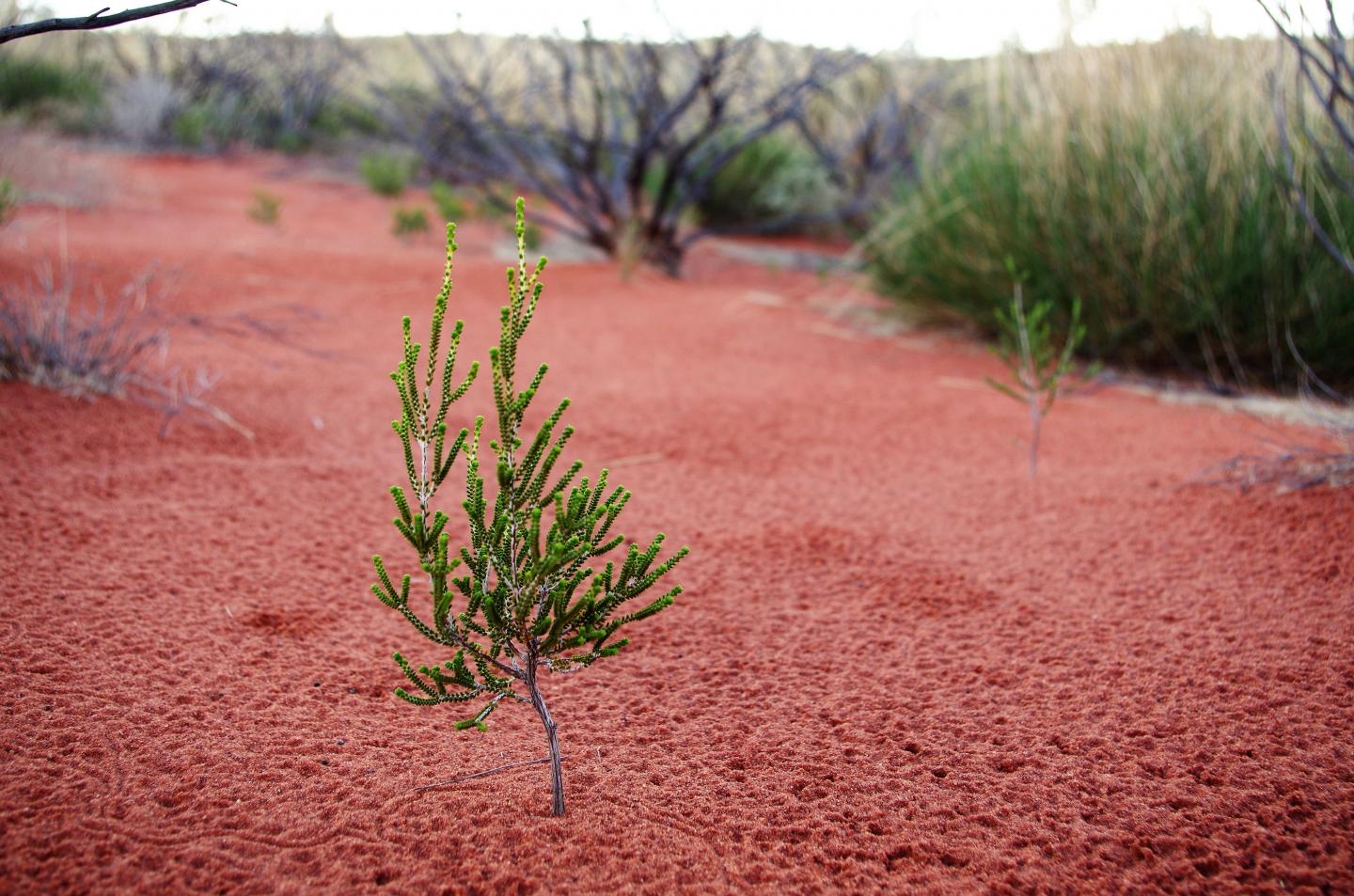
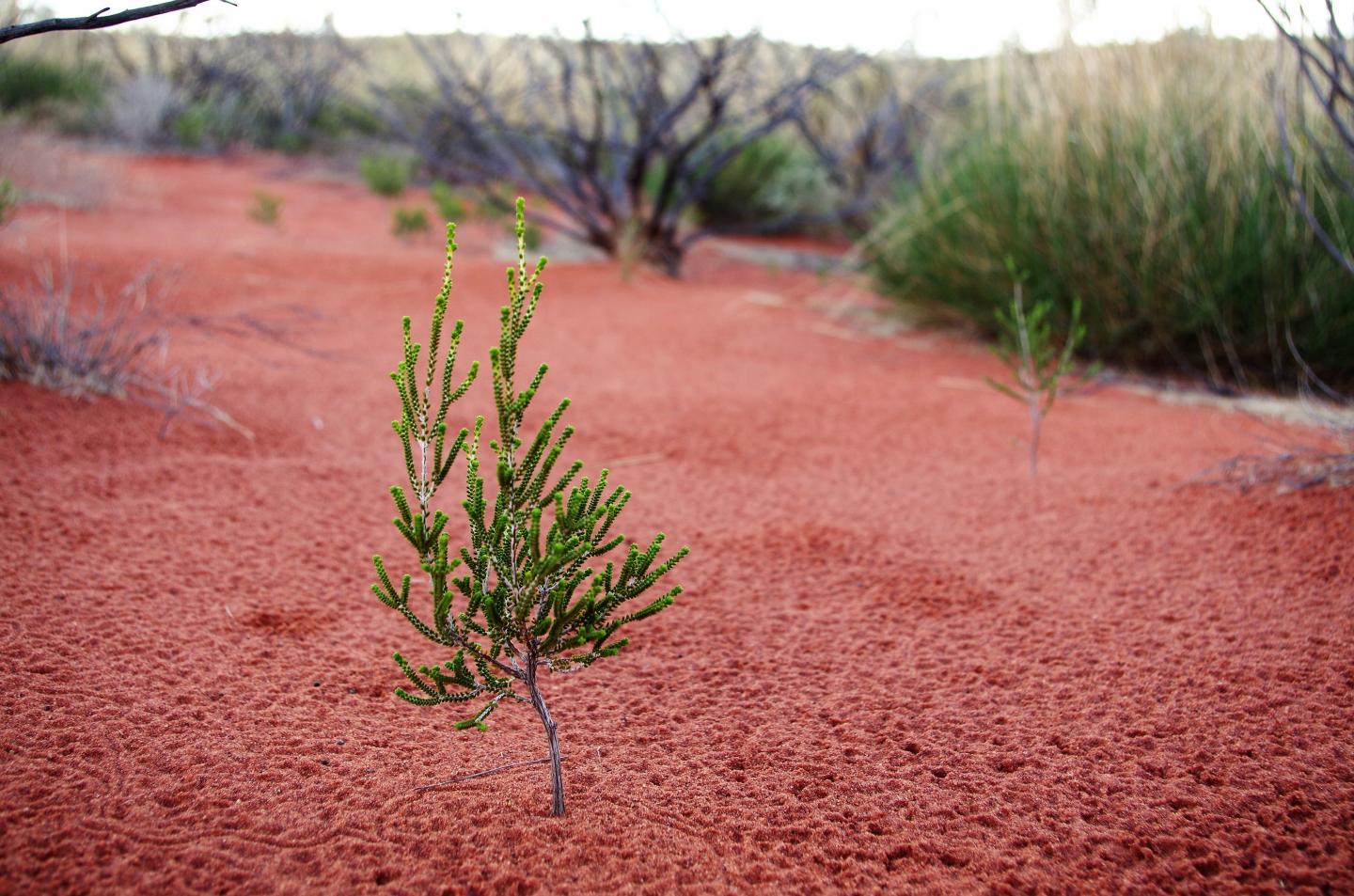
IMAGE

Credit: The University of Queensland

Traditional Indigenous burning practices are protecting plant biodiversity in Australia's Gibson Desert, according to University of Queensland research.

The study analysed how environments dominated by flammable spinifex grasses and fire-sensitive desert myrtle shrubs reacted to wildfires, and to the low-intensity burning practices of the Pintupi people.

UQ School of Agriculture and Food Sciences researcher Dr Boyd Wright was originally doing field work for a book about edible and medicinal plants used by Indigenous people of Kiwirrkurra, on the eastern edge of the Gibson Desert.

"While on these field trips I realised that the spinifex and desert myrtle environments resembled what we in the ecology community call alternative stable state systems," Dr Wright said.

"Alternative stable state theory suggests that ecosystems can exist under multiple 'states', and that state shifting – where one state transitions to another – is usually driven by a disturbance, or frequent disturbances."

Dr Wright said when such shifts happen, the entire composition of an ecological community can change.

"Rainforests can transform into savannas or shrublands into grasslands, but to my knowledge there were no confirmed examples of alternative stable state systems in arid zones," he said.

"My research suggests that these systems do exist in the Gibson Desert, and that Indigenous fire practices are holding back some of these transformations, retaining critical species."

The Pintupi people have traditionally used low-intensity fires for hunting and land management, most recently to hunt for feral cats by opening up country and improving tracking efficiency.

"Repeated high-intensity summer wildfires have the capacity to burn into the areas where the desert myrtle shrubs grow, completely wiping them out," Dr Wright said.

"But the low-intensity traditional burning of the Pintupi makes it less likely that fires from the spinifex grasslands will penetrate into the shrublands, protecting these landscapes.

"The traditional burning practice of the Pintupi is not only saving the bilby from feral cats, but is also helping to conserve Australia's unique flora."

###

The study is published in Oecologia (DOI: 10.1007/s00442-018-4215-2).

Media Contact

Dr Boyd Wright
[email protected]
61-478-159-239
@uq_news

http://www.uq.edu.au

Original Source

https://www.uq.edu.au/news/article/2018/10/indigenous-fire-practice-protecting-gibson-deserts-biodiversity http://dx.doi.org/10.1007/s00442-018-4215-2


Share12Tweet8Share2ShareShareShare2

Related Posts

Florida Cane Toad: Complex Spread and Selective Evolution

Florida Cane Toad: Complex Spread and Selective Evolution

February 7, 2026
New Study Uncovers Mechanism Behind Burn Pit Particulate Matter–Induced Lung Inflammation

New Study Uncovers Mechanism Behind Burn Pit Particulate Matter–Induced Lung Inflammation

February 6, 2026

DeepBlastoid: Advancing Automated and Efficient Evaluation of Human Blastoids with Deep Learning

February 6, 2026

Navigating the Gut: The Role of Formic Acid in the Microbiome

February 6, 2026
Please login to join discussion

POPULAR NEWS

  • Robotic Ureteral Reconstruction: A Novel Approach

    Robotic Ureteral Reconstruction: A Novel Approach

    82 shares
    Share 33 Tweet 21
  • Digital Privacy: Health Data Control in Incarceration

    63 shares
    Share 25 Tweet 16
  • Study Reveals Lipid Accumulation in ME/CFS Cells

    57 shares
    Share 23 Tweet 14
  • Breakthrough in RNA Research Accelerates Medical Innovations Timeline

    53 shares
    Share 21 Tweet 13

About

We bring you the latest biotechnology news from best research centers and universities around the world. Check our website.

Follow us

Recent News

Phage-Antibiotic Combo Beats Resistant Peritoneal Infection

Boosting Remote Healthcare: Stepped-Wedge Trial Insights

Barriers and Boosters of Seniors’ Physical Activity in Karachi

Subscribe to Blog via Email

Enter your email address to subscribe to this blog and receive notifications of new posts by email.

Join 73 other subscribers
  • Contact Us

Bioengineer.org © Copyright 2023 All Rights Reserved.

Welcome Back!

Login to your account below

Forgotten Password?

Retrieve your password

Please enter your username or email address to reset your password.

Log In
No Result
View All Result
  • Homepages
    • Home Page 1
    • Home Page 2
  • News
  • National
  • Business
  • Health
  • Lifestyle
  • Science

Bioengineer.org © Copyright 2023 All Rights Reserved.
