

• HOME
  • NEWS
  • EXPLORE
    • CAREER
      • Companies
      • Jobs
    • EVENTS
    • iGEM
      • News
      • Team
    • PHOTOS
    • VIDEO
    • WIKI
  • BLOG
  • COMMUNITY
    • FACEBOOK
    • INSTAGRAM
    • TWITTER
Saturday, February 7, 2026
BIOENGINEER.ORG
No Result
View All Result
  • Login
  • HOME
  • NEWS
  • EXPLORE
    • CAREER
      • Companies
      • Jobs
        • Lecturer
        • PhD Studentship
        • Postdoc
        • Research Assistant
    • EVENTS
    • iGEM
      • News
      • Team
    • PHOTOS
    • VIDEO
    • WIKI
  • BLOG
  • COMMUNITY
    • FACEBOOK
    • INSTAGRAM
    • TWITTER
  • HOME
  • NEWS
  • EXPLORE
    • CAREER
      • Companies
      • Jobs
        • Lecturer
        • PhD Studentship
        • Postdoc
        • Research Assistant
    • EVENTS
    • iGEM
      • News
      • Team
    • PHOTOS
    • VIDEO
    • WIKI
  • BLOG
  • COMMUNITY
    • FACEBOOK
    • INSTAGRAM
    • TWITTER
No Result
View All Result
Bioengineer.org
No Result
View All Result
Home NEWS Science News Health

Risk of blindness among premature babies with low levels of blood platelets

Bioengineer by Bioengineer
October 10, 2018
in Health
Reading Time: 2 mins read
0
Share on FacebookShare on TwitterShare on LinkedinShare on RedditShare on Telegram
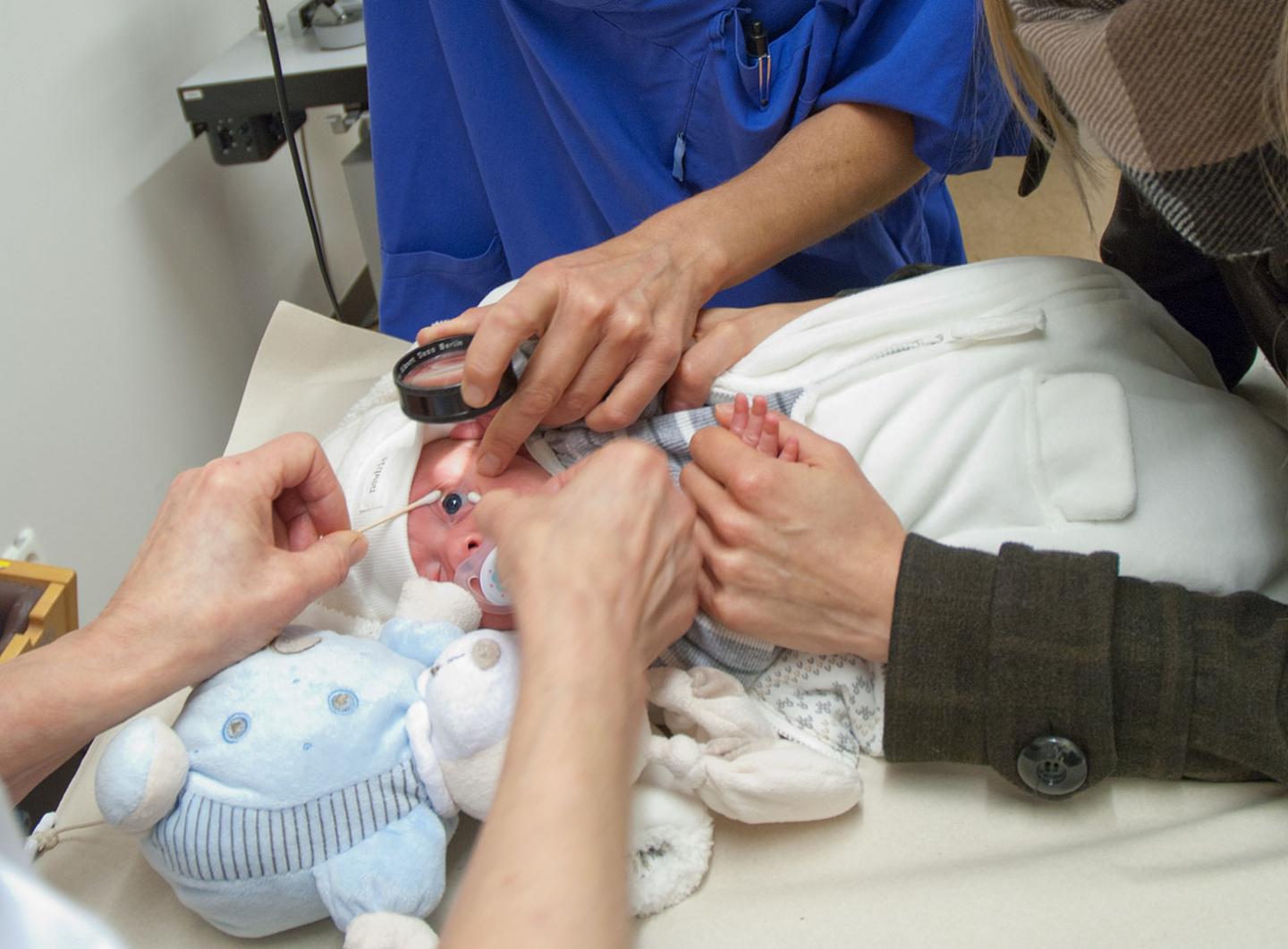
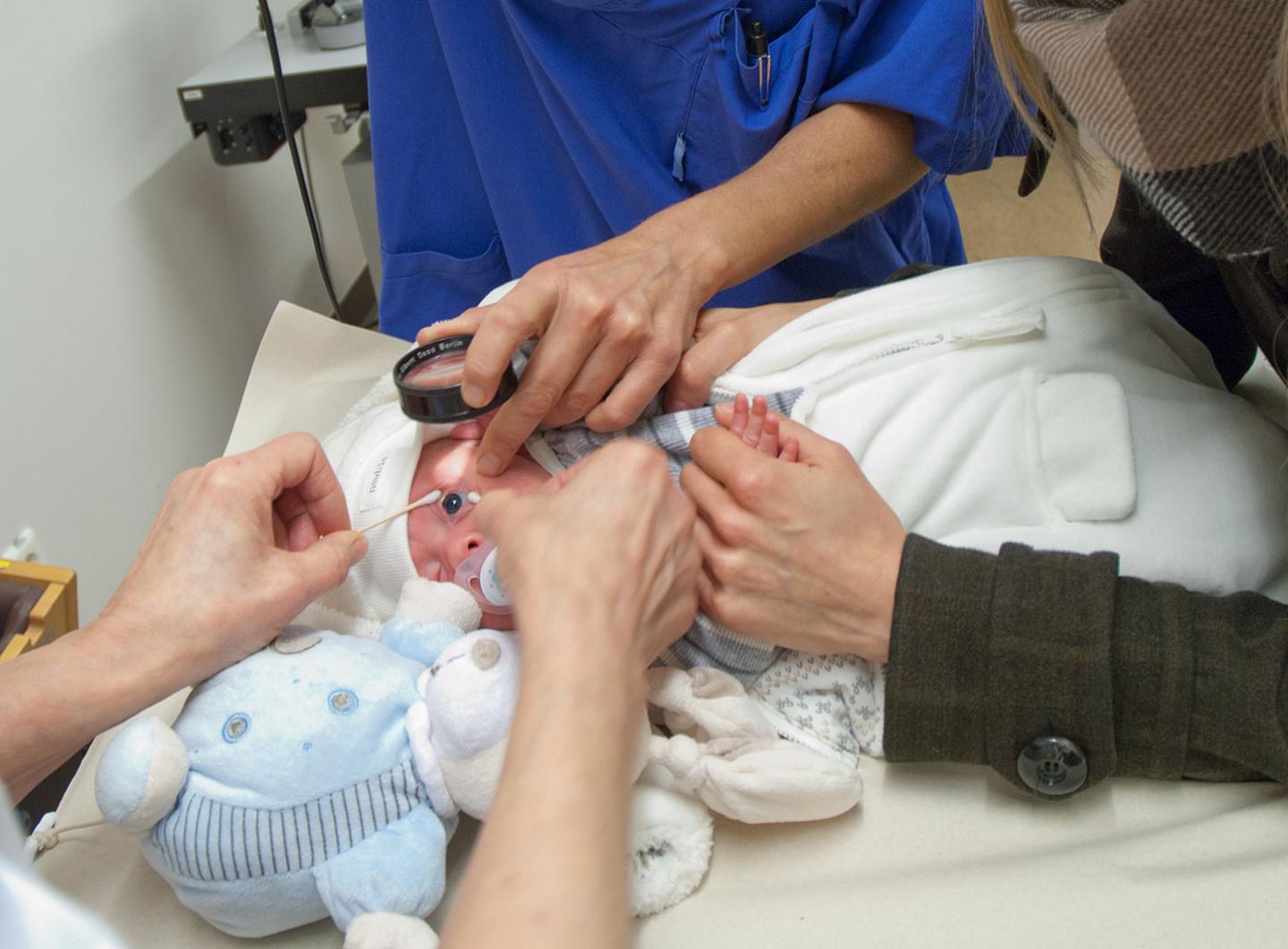
IMAGE

Credit: Photo: Ann-Sofie Petersson

Premature babies with low levels of platelets (thrombocytes) in their blood run a greatly increased risk of being afflicted with a severe variation of retinopathy of prematurity (ROP), an eye disease that can cause blindness, according to a study from Sweden and US published in the journal JCI Insight. In experiments on mice, injections of blood platelets reduce the pathological development of retinal vessels.

"I believe this paves the way for completely new therapeutic possibilities and also for new research domains for both pathological and normal vascular development," says Ann Hellstrom, professor of pediatric ophthalmology at Sahlgrenska Academy, University of Gothenburg, Sweden, and a chief physician at Sahlgrenska University Hospital.

Retinopathy of prematurity (ROP) mainly affects children born before 28 weeks of pregnancy whose retinal vessels have not finished growing at birth. The children run the risk of permanent vision impairment and in severe cases blindness due to retinal detachment.

The current study points to a correlation between low levels of platelets, whose main task in adults is to inhibit bleeding in blood vessels, and a fourfold increased risk of severe ROP in infants. Observational studies on a total of 202 premature babies with ROP have been conducted in Gothenburg and Stockholm.

The experimental parts of the study, conducted at Harvard Medical School in Boston, indicate that the pathological vascular development in the retina of young mice increased by 30 percent when platelet levels were lowered by means of antibodies. When platelets from adult mice were introduced instead, the pathological vascular development declined by 19 percent.

"Platelets in the bloodstream contain factors that are like nannies for vascular development. But babies who are born prematurely consume much of their platelets in connection with infections, and an imbalance of these factors arises in the bloodstream and out in the tissue that can lead to pathological vascular development, in this case in the retina," Ann Hellstrom explains.

Both Ann Hellstrom and her colleague in Boston, Lois Smith, maintain that the findings in the study point to a new direction and potential strategy for treating premature infants at risk of vision impairment caused by ROP.

"Purely hypothetically, it's conceivable that a transfusion of platelets could be administered to restore balance and calm everything down if there are signs of a growth of pathological blood vessels if the child is found to have low levels of platelets," Ann Hellstrom says.

###

Media Contact

Ann Hellstrom
[email protected]
46-768-979-196
@uniofgothenburg

http://www.gu.se/english

Original Source

https://sahlgrenska.gu.se/english/research/news-events/news-article/?languageId=100001&contentId=1587990&disableRedirect=true&returnUrl=http%3A%2F%2Fsahlgrenska.gu.se%2Fforskning%2Faktuellt%2Fnyhet%2F%2Frisk-for-blindhet-hos-for-tidigt-fodda-vid-lag- http://dx.doi.org/10.1172/jci.insight.99448

Share12Tweet8Share2ShareShareShare2

Related Posts

Decoding Prostate Cancer Origins via snFLARE-seq, mxFRIZNGRND

February 7, 2026

Digital Health Perspectives from Baltic Sea Experts

February 7, 2026

Exploring Decision-Making in Dementia Caregivers’ Mobility

February 7, 2026

Succinate Receptor 1 Limits Blood Cell Formation, Leukemia

February 7, 2026
Please login to join discussion

POPULAR NEWS

  • Robotic Ureteral Reconstruction: A Novel Approach

    Robotic Ureteral Reconstruction: A Novel Approach

    82 shares
    Share 33 Tweet 21
  • Digital Privacy: Health Data Control in Incarceration

    63 shares
    Share 25 Tweet 16
  • Study Reveals Lipid Accumulation in ME/CFS Cells

    57 shares
    Share 23 Tweet 14
  • Breakthrough in RNA Research Accelerates Medical Innovations Timeline

    53 shares
    Share 21 Tweet 13

About

We bring you the latest biotechnology news from best research centers and universities around the world. Check our website.

Follow us

Recent News

Decoding Prostate Cancer Origins via snFLARE-seq, mxFRIZNGRND

Digital Health Perspectives from Baltic Sea Experts

Florida Cane Toad: Complex Spread and Selective Evolution

Subscribe to Blog via Email

Enter your email address to subscribe to this blog and receive notifications of new posts by email.

Join 73 other subscribers
  • Contact Us

Bioengineer.org © Copyright 2023 All Rights Reserved.

Welcome Back!

Login to your account below

Forgotten Password?

Retrieve your password

Please enter your username or email address to reset your password.

Log In
No Result
View All Result
  • Homepages
    • Home Page 1
    • Home Page 2
  • News
  • National
  • Business
  • Health
  • Lifestyle
  • Science

Bioengineer.org © Copyright 2023 All Rights Reserved.
