• HOME
  • NEWS
  • EXPLORE
    • CAREER
      • Companies
      • Jobs
    • EVENTS
    • iGEM
      • News
      • Team
    • PHOTOS
    • VIDEO
    • WIKI
  • BLOG
  • COMMUNITY
    • FACEBOOK
    • INSTAGRAM
    • TWITTER
Saturday, February 7, 2026
BIOENGINEER.ORG
No Result
View All Result
  • Login
  • HOME
  • NEWS
  • EXPLORE
    • CAREER
      • Companies
      • Jobs
        • Lecturer
        • PhD Studentship
        • Postdoc
        • Research Assistant
    • EVENTS
    • iGEM
      • News
      • Team
    • PHOTOS
    • VIDEO
    • WIKI
  • BLOG
  • COMMUNITY
    • FACEBOOK
    • INSTAGRAM
    • TWITTER
  • HOME
  • NEWS
  • EXPLORE
    • CAREER
      • Companies
      • Jobs
        • Lecturer
        • PhD Studentship
        • Postdoc
        • Research Assistant
    • EVENTS
    • iGEM
      • News
      • Team
    • PHOTOS
    • VIDEO
    • WIKI
  • BLOG
  • COMMUNITY
    • FACEBOOK
    • INSTAGRAM
    • TWITTER
No Result
View All Result
Bioengineer.org
No Result
View All Result
Home NEWS Science News Biology

Potential assay artefacts in anti-malarial screening documented

Bioengineer by Bioengineer
October 9, 2018
in Biology
Reading Time: 2 mins read
0
Share on FacebookShare on TwitterShare on LinkedinShare on RedditShare on Telegram
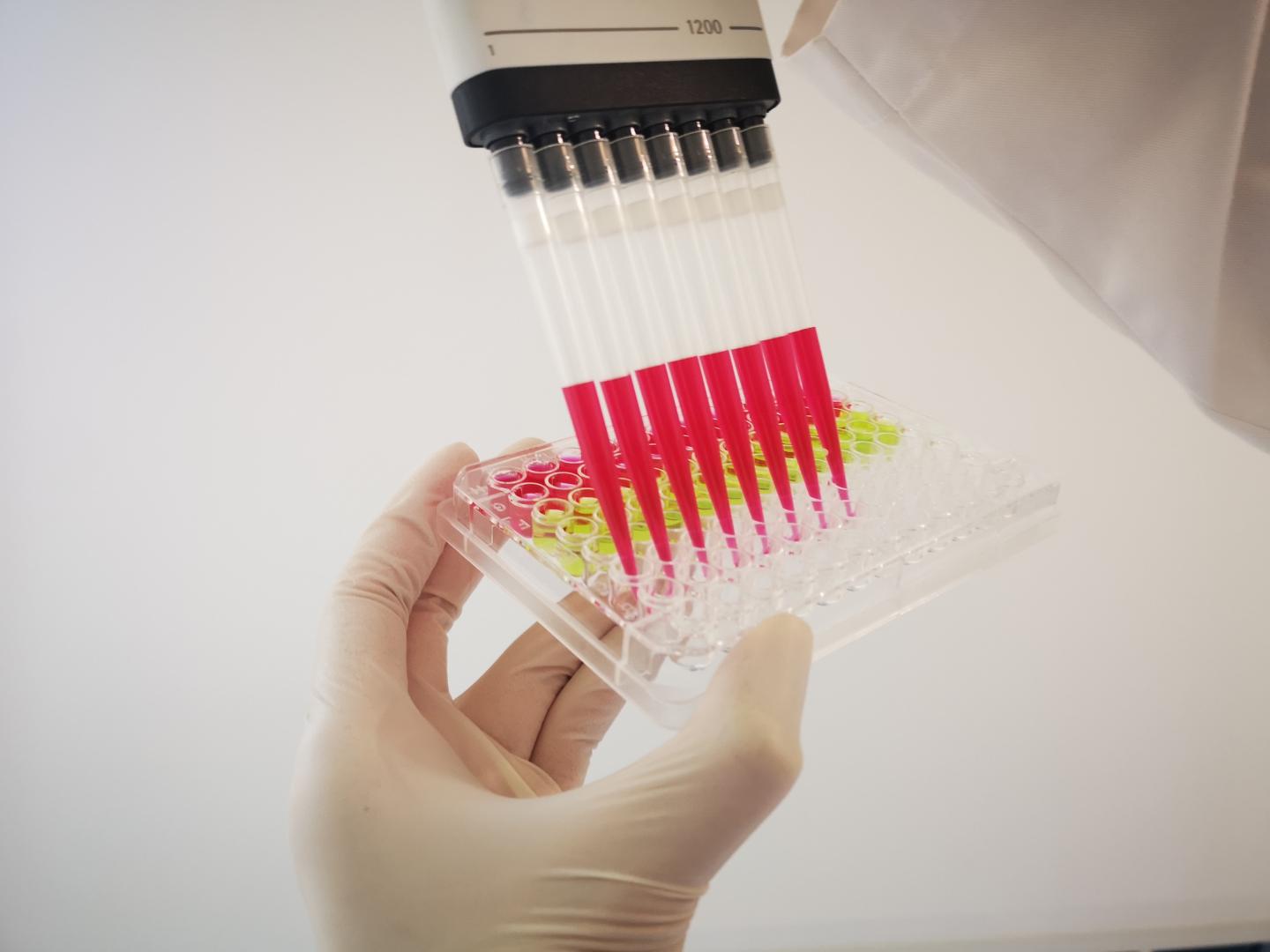
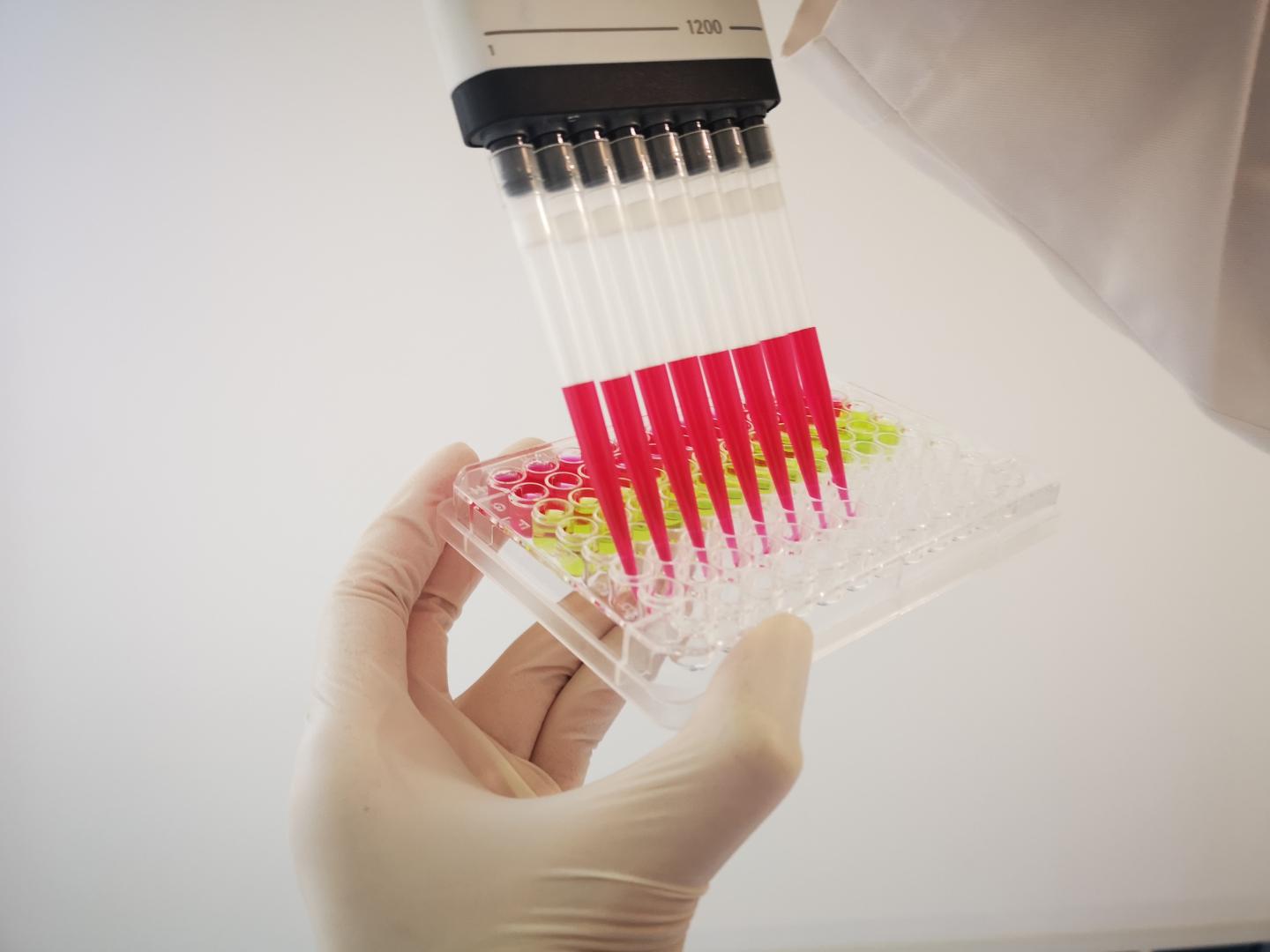
IMAGE

Credit: (Courtesy: Renugah Naidu and Gowtham Subramanian, Singapore University of Technology & Design)

Malaria remains an economic and health burden to the developing world. As plasmodium, the causative agent of malaria, is acquiring rapid resistance against currently used drugs, identification of new classes of anti-malarials remains an urgent need.

Potential anti-malarials include small molecules, peptides, antibodies or plant extracts with likely medicinal properties. These agents are often prepared in the presence of additional constituents such as buffers, detergents or preservatives to ensure stability and solubility. However, chemical or physical properties of these constituents can impact the assay conclusions. At present, there is no literature on the toxic inhibitory effects of such molecules on plasmodium development.

A research group led by Assistant Professor Rajesh Chandramohanadas from the Singapore University of Technology and Design (SUTD) documented the permissible limits of a number of chemicals that are often part of anti-malarial efficacy tests. Their results provide a previously undetermined dataset on drug reconstitution conditions at which both the red cell integrity and plasmodium growth and proliferation are not compromised.

The SUTD team first performed literature survey to shortlist 14 common chemicals which were then tested against plasmodium in vitro cultures. From these experiments, they estimated the maximum allowable concentration of these chemicals compatible with the assay with no parasite killing effect. Further, they validated that the estimated permissible limits of these chemicals caused no harm to intracellular or extracellular parasites, allowing normal parasitive survival and proliferation. Through bio-physical and microscopic measurements, they also demonstrated that human red blood cells used as hosts are not damaged and fully capable of supporting infection for several cycles.

"This dataset may serve as a valuable reference tool to the parasitology community", Dr. Chandramohanadas stated. "For example, when structure-activity relationship of synthetic analogues of a chosen molecule under different solubilising conditions are to be tested and compared, artefacts caused by the recipe may contribute to erroneous readings", he added.

###

This research was published in Scientific Reports and the first authors are SUTD graduate students Ms. Renugah Naidu and Mr. Gowtham Subramanian. Other co-authors in the study are Ms. Bena Lim and Professor Lim Chwee Teck from the Singapore-MIT Alliance for Research and Technology (SMART) Centre and National university of Singapore (NUS). This research was funded by Agency for Science, Technology and Research (A*Star), Singapore.

Media Contact

Melissa Koh
[email protected]
65-649-98742

http://www.sutd.edu.sg

Related Journal Article

http://dx.doi.org/10.1038/s41598-018-33226-z

Share12Tweet8Share2ShareShareShare2

Related Posts

Florida Cane Toad: Complex Spread and Selective Evolution

Florida Cane Toad: Complex Spread and Selective Evolution

February 7, 2026
New Study Uncovers Mechanism Behind Burn Pit Particulate Matter–Induced Lung Inflammation

New Study Uncovers Mechanism Behind Burn Pit Particulate Matter–Induced Lung Inflammation

February 6, 2026

DeepBlastoid: Advancing Automated and Efficient Evaluation of Human Blastoids with Deep Learning

February 6, 2026

Navigating the Gut: The Role of Formic Acid in the Microbiome

February 6, 2026
Please login to join discussion

POPULAR NEWS

  • Robotic Ureteral Reconstruction: A Novel Approach

    Robotic Ureteral Reconstruction: A Novel Approach

    82 shares
    Share 33 Tweet 21
  • Digital Privacy: Health Data Control in Incarceration

    63 shares
    Share 25 Tweet 16
  • Study Reveals Lipid Accumulation in ME/CFS Cells

    57 shares
    Share 23 Tweet 14
  • Breakthrough in RNA Research Accelerates Medical Innovations Timeline

    53 shares
    Share 21 Tweet 13

About

We bring you the latest biotechnology news from best research centers and universities around the world. Check our website.

Follow us

Recent News

Digital Health Perspectives from Baltic Sea Experts

Florida Cane Toad: Complex Spread and Selective Evolution

Exploring Decision-Making in Dementia Caregivers’ Mobility

Subscribe to Blog via Email

Enter your email address to subscribe to this blog and receive notifications of new posts by email.

Join 73 other subscribers
  • Contact Us

Bioengineer.org © Copyright 2023 All Rights Reserved.

Welcome Back!

Login to your account below

Forgotten Password?

Retrieve your password

Please enter your username or email address to reset your password.

Log In
No Result
View All Result
  • Homepages
    • Home Page 1
    • Home Page 2
  • News
  • National
  • Business
  • Health
  • Lifestyle
  • Science

Bioengineer.org © Copyright 2023 All Rights Reserved.