

• HOME
  • NEWS
  • EXPLORE
    • CAREER
      • Companies
      • Jobs
    • EVENTS
    • iGEM
      • News
      • Team
    • PHOTOS
    • VIDEO
    • WIKI
  • BLOG
  • COMMUNITY
    • FACEBOOK
    • INSTAGRAM
    • TWITTER
Saturday, February 7, 2026
BIOENGINEER.ORG
No Result
View All Result
  • Login
  • HOME
  • NEWS
  • EXPLORE
    • CAREER
      • Companies
      • Jobs
        • Lecturer
        • PhD Studentship
        • Postdoc
        • Research Assistant
    • EVENTS
    • iGEM
      • News
      • Team
    • PHOTOS
    • VIDEO
    • WIKI
  • BLOG
  • COMMUNITY
    • FACEBOOK
    • INSTAGRAM
    • TWITTER
  • HOME
  • NEWS
  • EXPLORE
    • CAREER
      • Companies
      • Jobs
        • Lecturer
        • PhD Studentship
        • Postdoc
        • Research Assistant
    • EVENTS
    • iGEM
      • News
      • Team
    • PHOTOS
    • VIDEO
    • WIKI
  • BLOG
  • COMMUNITY
    • FACEBOOK
    • INSTAGRAM
    • TWITTER
No Result
View All Result
Bioengineer.org
No Result
View All Result
Home NEWS Science News Biology

Malaria parasites adapt to mosquito feeding times, study shows

Bioengineer by Bioengineer
October 4, 2018
in Biology
Reading Time: 2 mins read
0
Share on FacebookShare on TwitterShare on LinkedinShare on RedditShare on Telegram
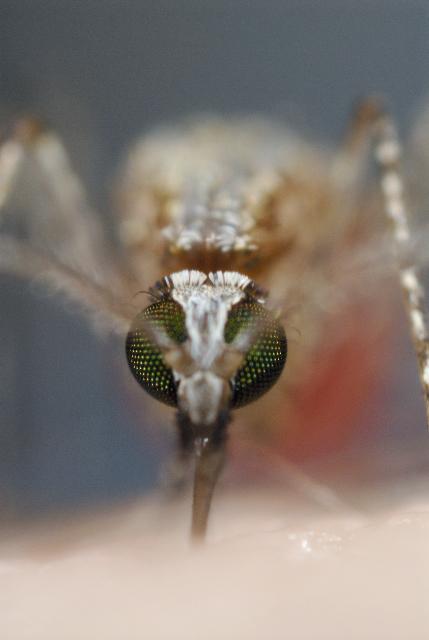
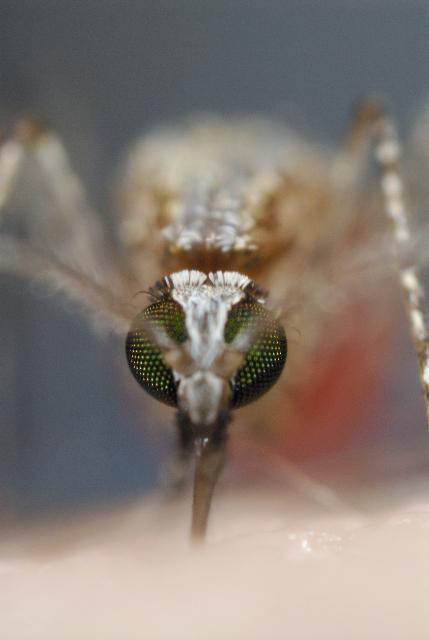
IMAGE

Credit: Sinclair Stammers and Sarah Reece

Malaria parasites have evolved to be most infectious at the time of day when mosquitoes feed, to maximise the chance of being spread, research shows.

The finding explains why people with the disease experience regular bouts of fever. These occur as the parasites that cause malaria replicate in the bloodstream of infected people or animals, in preparation for being picked up by a biting mosquito.

The study is the first to provide strong evidence for this idea, which was first suggested 50 years ago.

As increasing use of bednets by people in affected regions drives mosquitoes to feed during the day, malaria parasites may also have to adapt their behaviour so that they are better able to spread infection in the daytime, the results suggest.

Scientists from the University of Edinburgh studied daily rhythms of malaria parasites and the mosquitoes that spread them.

In a lab experiment with mice, scientists used light and darkness to separately alter the day and night times of mosquitoes and malaria parasites. By feeding some insects during the day and others at night, they learned how both the parasites' ability to cause infection – and the mosquitoes' vulnerability to disease – varied depending on the time of day.

Their results showed that cycles of fever in malaria infection likely evolved to produce forms of the parasite that are infectious to mosquitoes in sync with the insects' feeding cycles. They also showed that mosquitoes are more susceptible to infection in the daytime.

The study, supported by the Natural Environment Research Council, the Biotechnology and Biological Sciences Research Council, Wellcome and the Human Frontier Science Program, was published in Proceedings of the Royal Society B.

Dr Petra Schneider, of the University of Edinburgh's School of Biological Sciences, said: "It has long been suspected that malaria parasites time their replication to maximise their chance of transmission by mosquitoes. Our findings lend valuable insight into how this disease spreads, and could inform measures to control it."

###

Media Contact

Catriona Kelly
[email protected]
44-779-135-5940
@edinunimedia

http://www.ed.ac.uk

Original Source

https://www.ed.ac.uk/news/2018/malaria-parasites-adapt-to-mosquito-meal-times http://dx.doi.org/10.1098/rspb/2018.1876

Share12Tweet8Share2ShareShareShare2

Related Posts

Florida Cane Toad: Complex Spread and Selective Evolution

Florida Cane Toad: Complex Spread and Selective Evolution

February 7, 2026
New Study Uncovers Mechanism Behind Burn Pit Particulate Matter–Induced Lung Inflammation

New Study Uncovers Mechanism Behind Burn Pit Particulate Matter–Induced Lung Inflammation

February 6, 2026

DeepBlastoid: Advancing Automated and Efficient Evaluation of Human Blastoids with Deep Learning

February 6, 2026

Navigating the Gut: The Role of Formic Acid in the Microbiome

February 6, 2026
Please login to join discussion

POPULAR NEWS

  • Robotic Ureteral Reconstruction: A Novel Approach

    Robotic Ureteral Reconstruction: A Novel Approach

    82 shares
    Share 33 Tweet 21
  • Digital Privacy: Health Data Control in Incarceration

    63 shares
    Share 25 Tweet 16
  • Study Reveals Lipid Accumulation in ME/CFS Cells

    57 shares
    Share 23 Tweet 14
  • Breakthrough in RNA Research Accelerates Medical Innovations Timeline

    53 shares
    Share 21 Tweet 13

About

We bring you the latest biotechnology news from best research centers and universities around the world. Check our website.

Follow us

Recent News

Digital Health Perspectives from Baltic Sea Experts

Florida Cane Toad: Complex Spread and Selective Evolution

Exploring Decision-Making in Dementia Caregivers’ Mobility

Subscribe to Blog via Email

Enter your email address to subscribe to this blog and receive notifications of new posts by email.

Join 73 other subscribers
  • Contact Us

Bioengineer.org © Copyright 2023 All Rights Reserved.

Welcome Back!

Login to your account below

Forgotten Password?

Retrieve your password

Please enter your username or email address to reset your password.

Log In
No Result
View All Result
  • Homepages
    • Home Page 1
    • Home Page 2
  • News
  • National
  • Business
  • Health
  • Lifestyle
  • Science

Bioengineer.org © Copyright 2023 All Rights Reserved.
