

• HOME
  • NEWS
  • EXPLORE
    • CAREER
      • Companies
      • Jobs
    • EVENTS
    • iGEM
      • News
      • Team
    • PHOTOS
    • VIDEO
    • WIKI
  • BLOG
  • COMMUNITY
    • FACEBOOK
    • INSTAGRAM
    • TWITTER
Saturday, February 7, 2026
BIOENGINEER.ORG
No Result
View All Result
  • Login
  • HOME
  • NEWS
  • EXPLORE
    • CAREER
      • Companies
      • Jobs
        • Lecturer
        • PhD Studentship
        • Postdoc
        • Research Assistant
    • EVENTS
    • iGEM
      • News
      • Team
    • PHOTOS
    • VIDEO
    • WIKI
  • BLOG
  • COMMUNITY
    • FACEBOOK
    • INSTAGRAM
    • TWITTER
  • HOME
  • NEWS
  • EXPLORE
    • CAREER
      • Companies
      • Jobs
        • Lecturer
        • PhD Studentship
        • Postdoc
        • Research Assistant
    • EVENTS
    • iGEM
      • News
      • Team
    • PHOTOS
    • VIDEO
    • WIKI
  • BLOG
  • COMMUNITY
    • FACEBOOK
    • INSTAGRAM
    • TWITTER
No Result
View All Result
Bioengineer.org
No Result
View All Result
Home NEWS Science News Health

More wet and dry weather extremes projected with global warming

Bioengineer by Bioengineer
October 4, 2018
in Health
Reading Time: 2 mins read
0
Share on FacebookShare on TwitterShare on LinkedinShare on RedditShare on Telegram
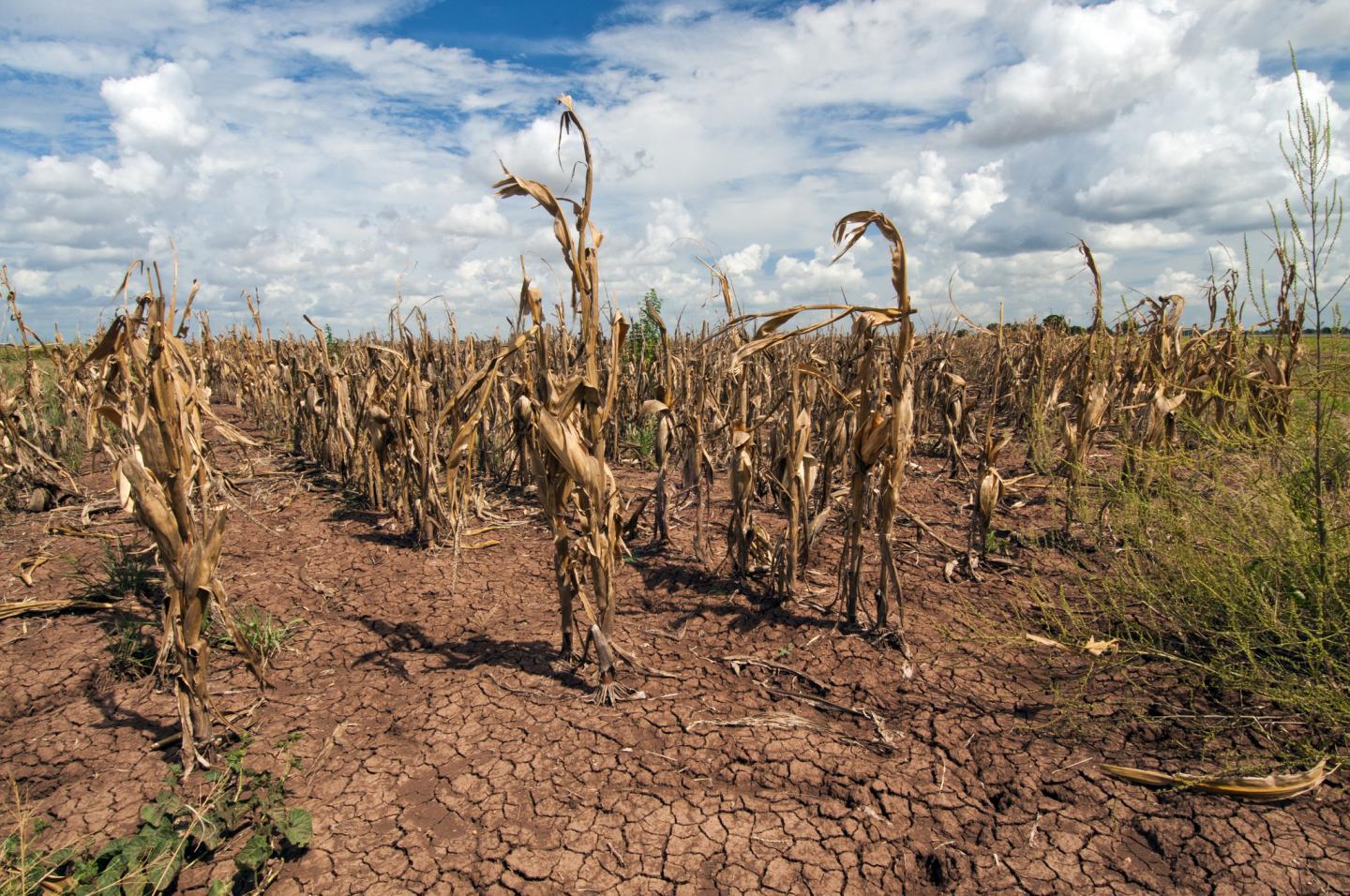
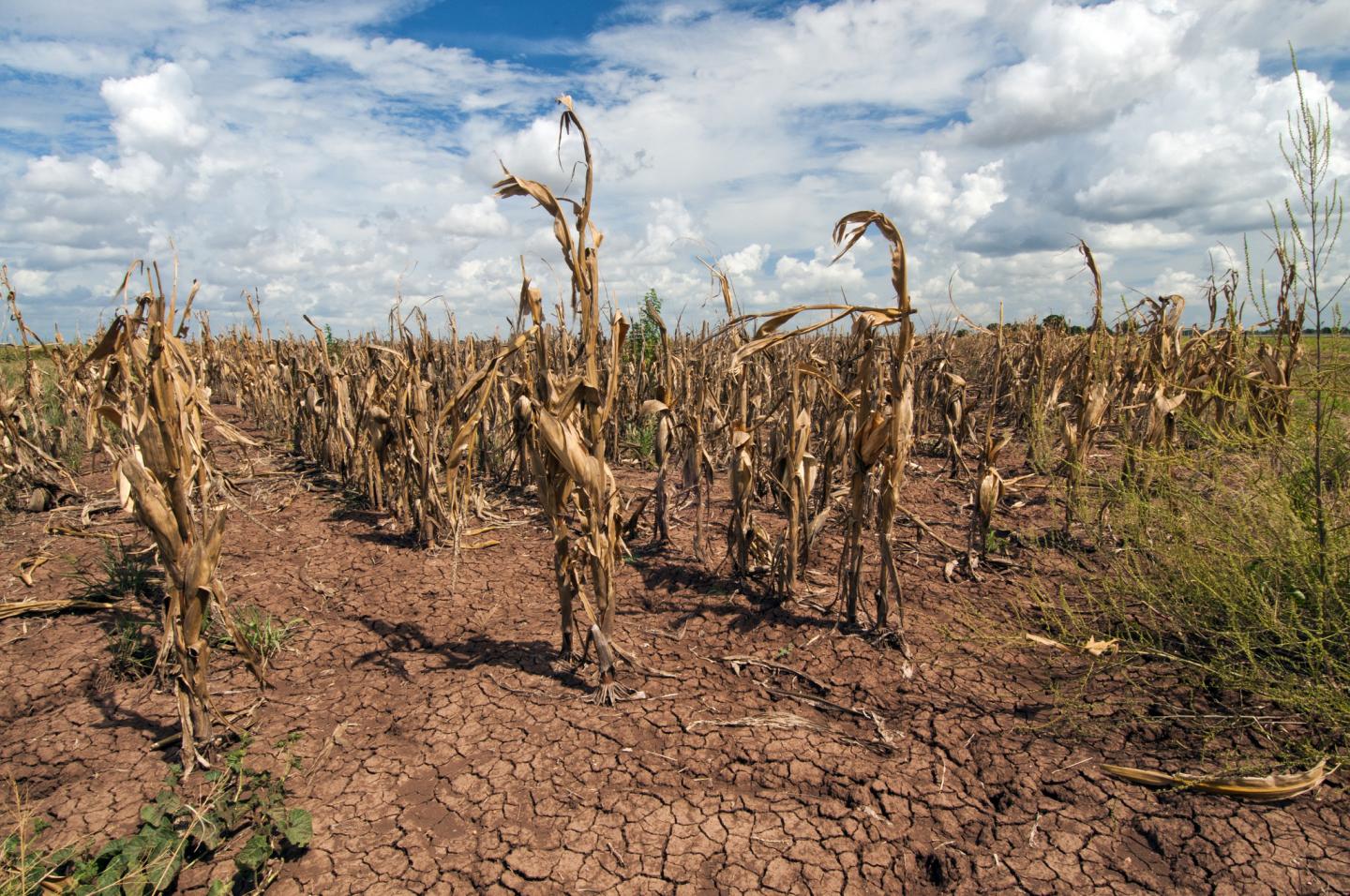
IMAGE

Credit: Bob Nichols/USDA

Global warming is projected to spawn more extreme wet and dry weather around the world, according to a Rutgers-led study.

Those extremes include more frequent dry spells in the northwestern, central and southern United States and in Mexico, and more frequent heavy rainfall events in south Asia, the Indochinese Peninsula and southern China.

One reason – subtropical stationary waves in northern summers, according to the study in the Journal of Climate. These planet-spanning waves are composed of persistent high-pressure systems over the North Pacific and North Atlantic and persistent low-pressure systems over Eurasia and North America, the study says. The high-pressure systems provide persistent conditions for dry weather, while the low-pressure systems fuel wet weather.

The intensity of subtropical stationary waves during northern summers increased from 1979 to 2013, and projections suggest the increase will accelerate as climate warms, the study says.

"Increasingly strong subtropical stationary waves play an important role in explaining the increase in extremely dry weather in North America and extremely wet weather in south and southeast Asia," said study lead author Jiacan Yuan, a post-doctoral associate in the Department of Earth and Planetary Sciences at Rutgers University-New Brunswick and the Rutgers Institute of Earth, Ocean, and Atmospheric Sciences.

Subtropical stationary waves may serve as an important link connecting regional droughts and extreme rainfall events with global warming, the study says. Such extremes, which have increased significantly in recent decades because of a warming climate, can cause enormous economic losses and threaten lives.

Examples of extreme events include catastrophic floods in South Asia during the 2017 monsoon season, when about 1,300 people died and more than 45 million people were affected, according to a United Nations Children's Fund report. A severe drought afflicted Texas in 2011, with direct agricultural losses estimated at $5.2 billion by the Texas AgriLife Extension Service.

###

The study's coauthors include Robert Kopp, director of the Rutgers Institute of Earth, Ocean, and Atmospheric Sciences, as well as scientists at Duke University and Georgia Institute of Technology.

Media Contact

Todd Bates
[email protected]
848-932-0550
@RutgersU

http://www.rutgers.edu

Original Source

https://news.rutgers.edu/more-wet-and-dry-weather-extremes-projected-global-warming/20181002#.W7N7BWhKi70 http://dx.doi.org/10.1175/JCLI-D-17-0401.1


Share12Tweet7Share2ShareShareShare1

Related Posts

Evaluating Pediatric Emergency Care Quality in Ethiopia

February 7, 2026

TPMT Expression Predictions Linked to Azathioprine Side Effects

February 7, 2026

Improving Dementia Care with Enhanced Activity Kits

February 7, 2026

Decoding Prostate Cancer Origins via snFLARE-seq, mxFRIZNGRND

February 7, 2026
Please login to join discussion

POPULAR NEWS

  • Robotic Ureteral Reconstruction: A Novel Approach

    Robotic Ureteral Reconstruction: A Novel Approach

    82 shares
    Share 33 Tweet 21
  • Digital Privacy: Health Data Control in Incarceration

    63 shares
    Share 25 Tweet 16
  • Study Reveals Lipid Accumulation in ME/CFS Cells

    57 shares
    Share 23 Tweet 14
  • Breakthrough in RNA Research Accelerates Medical Innovations Timeline

    53 shares
    Share 21 Tweet 13

About

We bring you the latest biotechnology news from best research centers and universities around the world. Check our website.

Follow us

Recent News

Evaluating Pediatric Emergency Care Quality in Ethiopia

TPMT Expression Predictions Linked to Azathioprine Side Effects

Improving Dementia Care with Enhanced Activity Kits

Subscribe to Blog via Email

Success! An email was just sent to confirm your subscription. Please find the email now and click 'Confirm' to start subscribing.

Join 73 other subscribers
  • Contact Us

Bioengineer.org © Copyright 2023 All Rights Reserved.

Welcome Back!

Login to your account below

Forgotten Password?

Retrieve your password

Please enter your username or email address to reset your password.

Log In
No Result
View All Result
  • Homepages
    • Home Page 1
    • Home Page 2
  • News
  • National
  • Business
  • Health
  • Lifestyle
  • Science

Bioengineer.org © Copyright 2023 All Rights Reserved.
