• HOME
  • NEWS
  • EXPLORE
    • CAREER
      • Companies
      • Jobs
    • EVENTS
    • iGEM
      • News
      • Team
    • PHOTOS
    • VIDEO
    • WIKI
  • BLOG
  • COMMUNITY
    • FACEBOOK
    • INSTAGRAM
    • TWITTER
Saturday, February 7, 2026
BIOENGINEER.ORG
No Result
View All Result
  • Login
  • HOME
  • NEWS
  • EXPLORE
    • CAREER
      • Companies
      • Jobs
        • Lecturer
        • PhD Studentship
        • Postdoc
        • Research Assistant
    • EVENTS
    • iGEM
      • News
      • Team
    • PHOTOS
    • VIDEO
    • WIKI
  • BLOG
  • COMMUNITY
    • FACEBOOK
    • INSTAGRAM
    • TWITTER
  • HOME
  • NEWS
  • EXPLORE
    • CAREER
      • Companies
      • Jobs
        • Lecturer
        • PhD Studentship
        • Postdoc
        • Research Assistant
    • EVENTS
    • iGEM
      • News
      • Team
    • PHOTOS
    • VIDEO
    • WIKI
  • BLOG
  • COMMUNITY
    • FACEBOOK
    • INSTAGRAM
    • TWITTER
No Result
View All Result
Bioengineer.org
No Result
View All Result
Home NEWS Science News Biology

Manganese plays a key role in bacterial infection

Bioengineer by Bioengineer
September 20, 2018
in Biology
Reading Time: 2 mins read
0
Share on FacebookShare on TwitterShare on LinkedinShare on RedditShare on Telegram
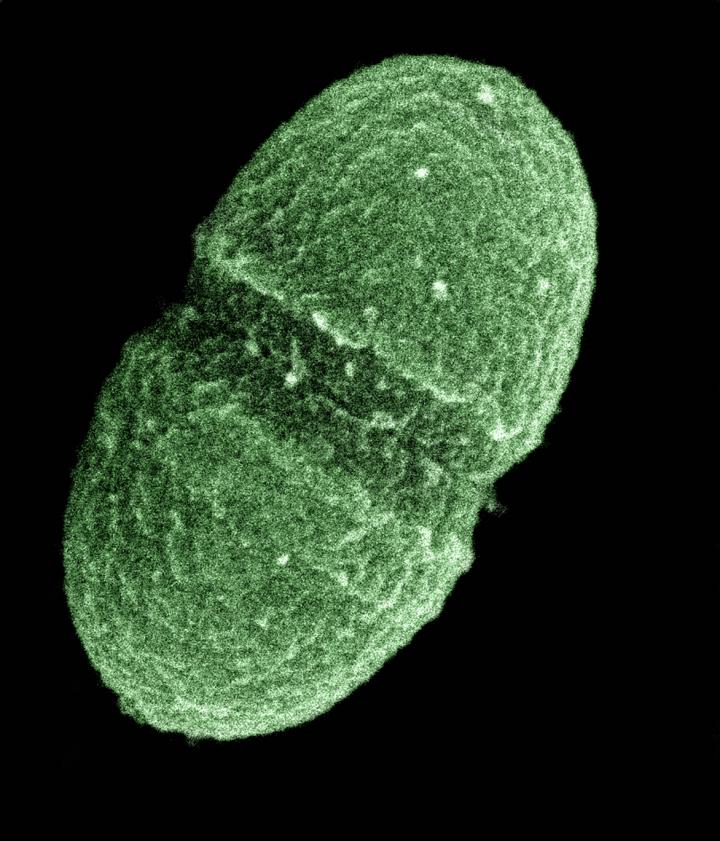
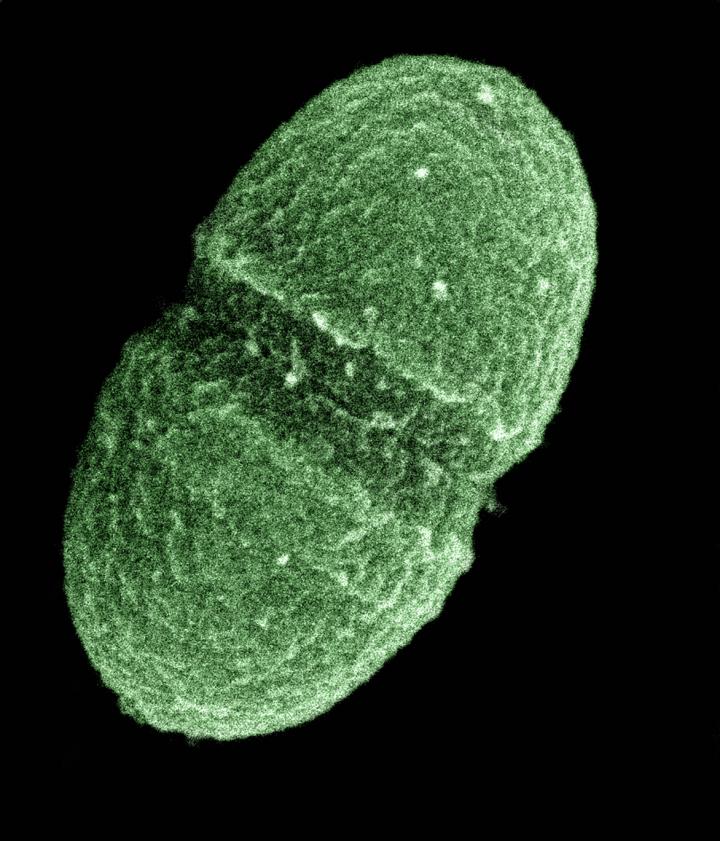
IMAGE

Credit: Photo by Nathan Shankar, University of Oklahoma, digital colorization by Stephen Ausmus. United States Department of Agriculture, 2009.

The ability to acquire manganese during infection is essential for the virulence of Enterococcus faecalis in animals, according to a study published September 20 in the open-access journal PLOS Pathogens by José Lemos of the University of Florida College of Dentistry, and colleagues.

Manganese is an essential micronutrient for bacterial pathogens during infection. To prevent infection, the host limits manganese availability to invading bacteria through an active process known as nutritional immunity. To overcome this limitation, bacteria produce high-affinity manganese uptake systems to scavenge this nutrient from host tissues. However, little is known about the potential role of manganese in the virulence of E. faecalis–a leading cause of hospital-acquired infections that are often difficult to treat due to their exceptional multidrug resistance. To address this gap in knowledge, Lemos and colleagues identified and characterized the major manganese acquisition systems of this opportunistic pathogen.

The findings suggest that these transporters are essential for the growth of E. faecalis in manganese-restricted environments. The simultaneous inactivation of three main manganese transporters led to the loss of virulence in rabbit and mouse infection models. In contrast to the unmutated bacterial strain, the mutant strain lacking the three transporters was virtually absent in infected organs such as the heart and bladder. Collectively, the results demonstrate that manganese acquisition is essential for the virulence of E. faecalis. According to the authors, manganese uptake systems could be promising targets for the development of new antimicrobial therapies to combat infections.

"While we and others have shown that inactivation of certain genes and pathways can negatively affect the ability of E. faecalis and related bacteria to cause disease, this is the first time we have observed an outcome as dramatic as this in terms of loss of virulence in mammalian models", notes Lemos. "In addition, this complete loss of virulence was not associated with a general loss in fitness as the mutant lacking all 3 manganese uptake systems showed normal growth and survival rates in the lab when manganese was provided in excess amounts."

###

Media Contact

PLOS Pathogens
[email protected]

Home

Related Journal Article

http://dx.doi.org/10.1371/journal.ppat.1007102

Share12Tweet8Share2ShareShareShare2

Related Posts

Florida Cane Toad: Complex Spread and Selective Evolution

Florida Cane Toad: Complex Spread and Selective Evolution

February 7, 2026
New Study Uncovers Mechanism Behind Burn Pit Particulate Matter–Induced Lung Inflammation

New Study Uncovers Mechanism Behind Burn Pit Particulate Matter–Induced Lung Inflammation

February 6, 2026

DeepBlastoid: Advancing Automated and Efficient Evaluation of Human Blastoids with Deep Learning

February 6, 2026

Navigating the Gut: The Role of Formic Acid in the Microbiome

February 6, 2026
Please login to join discussion

POPULAR NEWS

  • Robotic Ureteral Reconstruction: A Novel Approach

    Robotic Ureteral Reconstruction: A Novel Approach

    82 shares
    Share 33 Tweet 21
  • Digital Privacy: Health Data Control in Incarceration

    63 shares
    Share 25 Tweet 16
  • Study Reveals Lipid Accumulation in ME/CFS Cells

    57 shares
    Share 23 Tweet 14
  • Breakthrough in RNA Research Accelerates Medical Innovations Timeline

    53 shares
    Share 21 Tweet 13

About

We bring you the latest biotechnology news from best research centers and universities around the world. Check our website.

Follow us

Recent News

Boosting Remote Healthcare: Stepped-Wedge Trial Insights

Barriers and Boosters of Seniors’ Physical Activity in Karachi

Evaluating Pediatric Emergency Care Quality in Ethiopia

Subscribe to Blog via Email

Enter your email address to subscribe to this blog and receive notifications of new posts by email.

Join 73 other subscribers
  • Contact Us

Bioengineer.org © Copyright 2023 All Rights Reserved.

Welcome Back!

Login to your account below

Forgotten Password?

Retrieve your password

Please enter your username or email address to reset your password.

Log In
No Result
View All Result
  • Homepages
    • Home Page 1
    • Home Page 2
  • News
  • National
  • Business
  • Health
  • Lifestyle
  • Science

Bioengineer.org © Copyright 2023 All Rights Reserved.