• HOME
  • NEWS
  • EXPLORE
    • CAREER
      • Companies
      • Jobs
    • EVENTS
    • iGEM
      • News
      • Team
    • PHOTOS
    • VIDEO
    • WIKI
  • BLOG
  • COMMUNITY
    • FACEBOOK
    • INSTAGRAM
    • TWITTER
Saturday, February 7, 2026
BIOENGINEER.ORG
No Result
View All Result
  • Login
  • HOME
  • NEWS
  • EXPLORE
    • CAREER
      • Companies
      • Jobs
        • Lecturer
        • PhD Studentship
        • Postdoc
        • Research Assistant
    • EVENTS
    • iGEM
      • News
      • Team
    • PHOTOS
    • VIDEO
    • WIKI
  • BLOG
  • COMMUNITY
    • FACEBOOK
    • INSTAGRAM
    • TWITTER
  • HOME
  • NEWS
  • EXPLORE
    • CAREER
      • Companies
      • Jobs
        • Lecturer
        • PhD Studentship
        • Postdoc
        • Research Assistant
    • EVENTS
    • iGEM
      • News
      • Team
    • PHOTOS
    • VIDEO
    • WIKI
  • BLOG
  • COMMUNITY
    • FACEBOOK
    • INSTAGRAM
    • TWITTER
No Result
View All Result
Bioengineer.org
No Result
View All Result
Home NEWS Science News Health

Investigator at CHLA to study bone loss associated with cerebral palsy

Bioengineer by Bioengineer
September 13, 2018
in Health
Reading Time: 2 mins read
0
Share on FacebookShare on TwitterShare on LinkedinShare on RedditShare on Telegram
IMAGE

Credit: Children's Hospital Los Angeles

Cerebral palsy (CP) is the most common physical disability originating in childhood. Approximately 2 of every 1000 babies born acquire this condition that results from abnormal development or damage to the brain. Since CP affects a child's ability to control his or her muscles, physical activity can be difficult or even impossible. Since physical activity is required for mechanical loading that allows the muscles to exert stress on the bones and cause increased bone development, individuals with CP often have low bone mass or "weak bones" and a greatly increased risk of bone fracture.

Depending upon the severity of their condition, children with cerebral palsy may be able to walk independently, walk using assistive device like crutches or walkers, or may not be able to walk at all. While children with severe cerebral palsy generally have low bone mass and a greatly increased risk of fracture, little is known about the extent of bone deficits in ambulatory individuals with cerebral palsy, who represent the majority of people with the condition.

Tishya Wren, PhD, a biomedical engineer and director of Research for the Children's Orthopaedic Center at Children's Hospital Los Angeles, has been awarded $2.3 million to learn more about ambulatory children and adults with CP. The study is funded by the Eunice Kennedy Shriver National Institute of Child Health and Human Development, of the NIH.

"We will be following both children and adults with cerebral palsy, since we want to know more about the trajectory of bone deposition and then, bone loss, over the lifespan," said Wren, who is also an associate professor of pediatric orthopaedics at the Keck School of Medicine of USC.

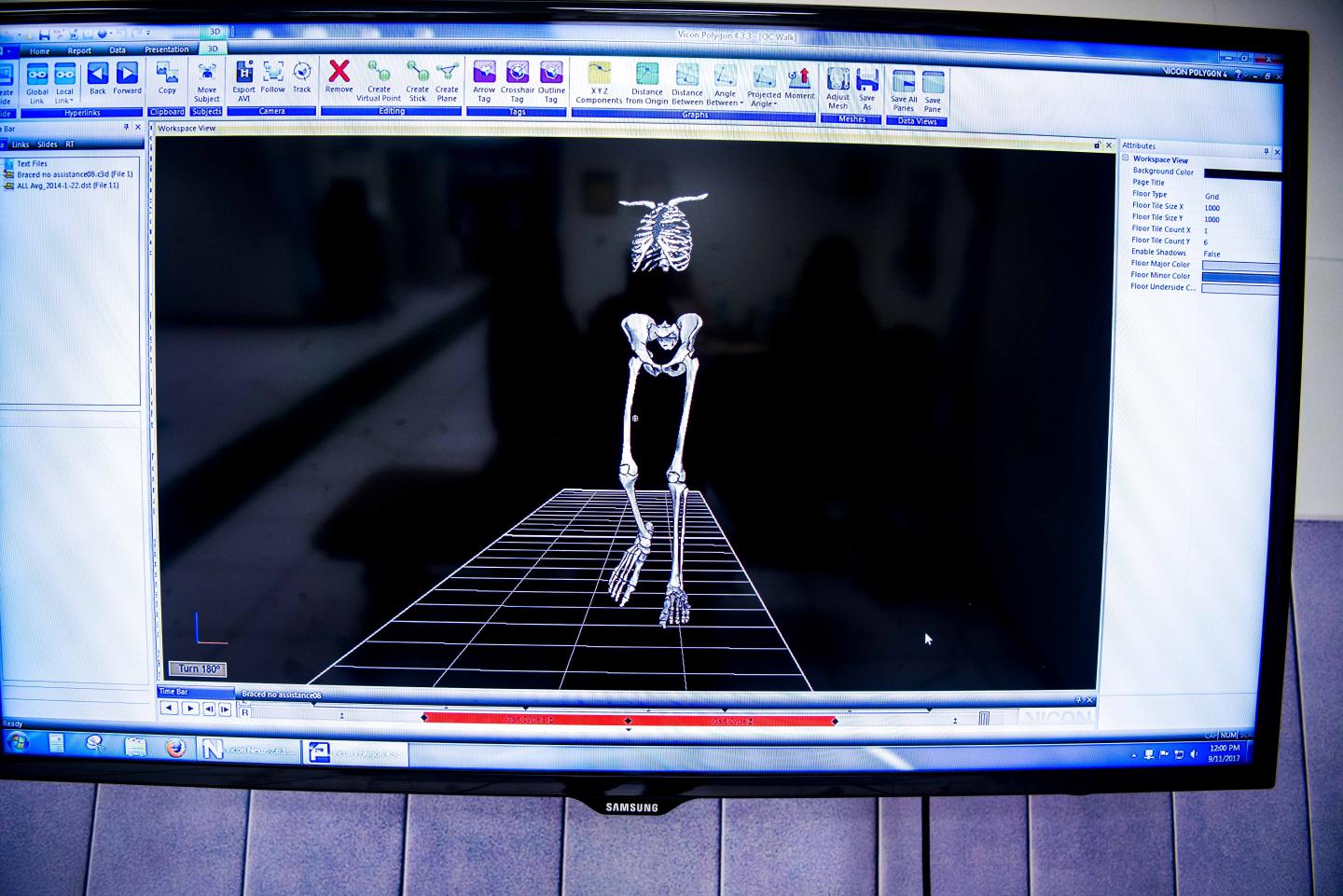
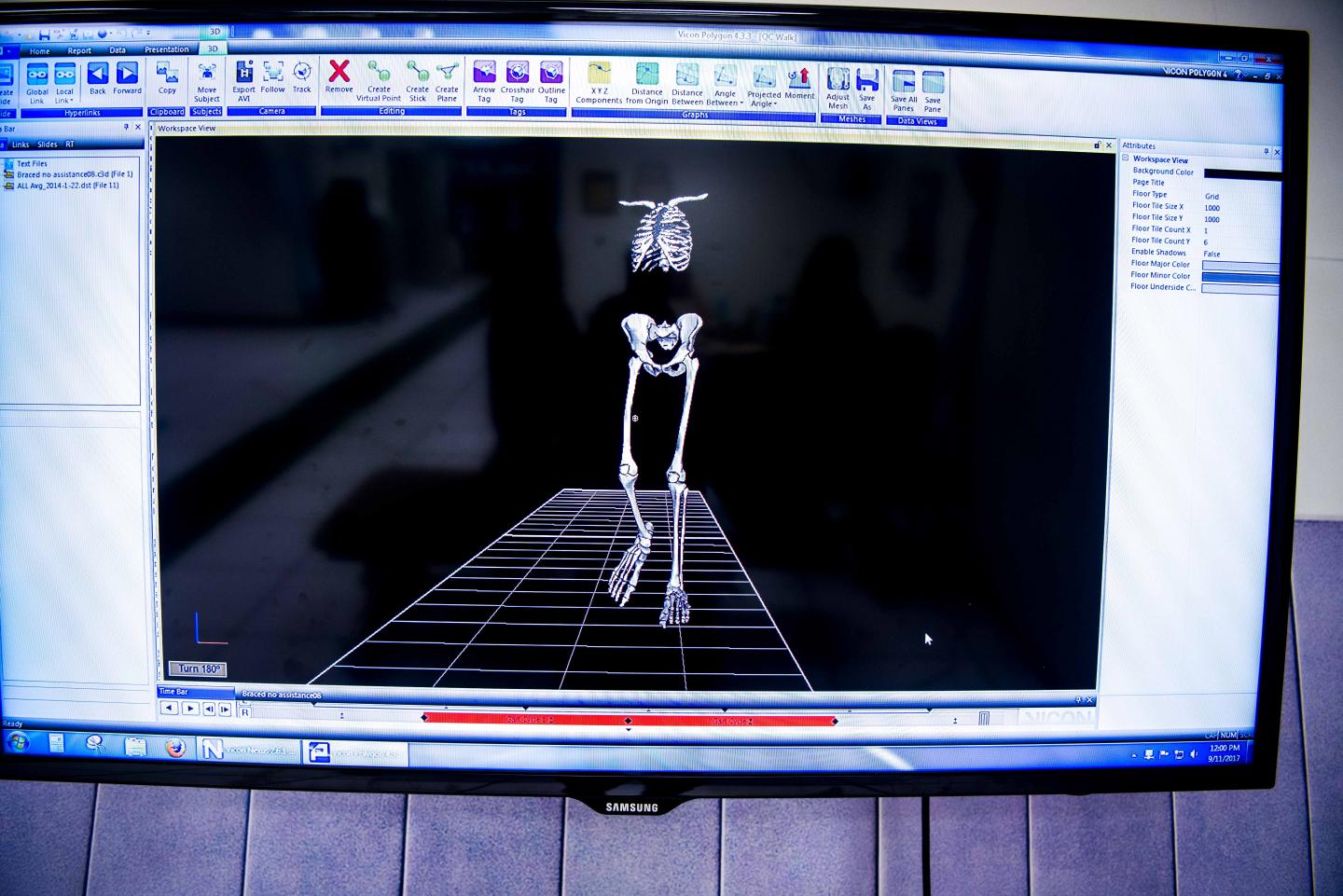
148 ambulatory children and adults with CP will undergo a rigorous assessment that includes a physical exam, functional and dietary assessment, activity monitoring, gait analysis, musculoskeletal modeling, and DXA and QCT imaging. Analyses will be repeated at 1 year and 2 years after initial assessment.

Results of the study will be used to determine which ambulatory individuals with CP are at highest risk for developing osteoporosis. The study will also identify critical periods for intervention and guide the future design of interventions aimed at maximizing and maintaining bone strength in people with CP.

"We need to know more about what happens to people with disabilities as they age," said Wren. "A few decades ago, our goal was to just keep them alive. Now we are able to do that. Our goal now is to make sure that their quality of life is a good as it can be."

###

Media Contact

Ellin Kavanagh
[email protected]
323-361-8505
@childrensLA

http://www.childrenshospitalla.org

Share12Tweet8Share2ShareShareShare2

Related Posts

Evaluating Pediatric Emergency Care Quality in Ethiopia

February 7, 2026

TPMT Expression Predictions Linked to Azathioprine Side Effects

February 7, 2026

Improving Dementia Care with Enhanced Activity Kits

February 7, 2026

Decoding Prostate Cancer Origins via snFLARE-seq, mxFRIZNGRND

February 7, 2026
Please login to join discussion

POPULAR NEWS

  • Robotic Ureteral Reconstruction: A Novel Approach

    Robotic Ureteral Reconstruction: A Novel Approach

    82 shares
    Share 33 Tweet 21
  • Digital Privacy: Health Data Control in Incarceration

    63 shares
    Share 25 Tweet 16
  • Study Reveals Lipid Accumulation in ME/CFS Cells

    57 shares
    Share 23 Tweet 14
  • Breakthrough in RNA Research Accelerates Medical Innovations Timeline

    53 shares
    Share 21 Tweet 13

About

We bring you the latest biotechnology news from best research centers and universities around the world. Check our website.

Follow us

Recent News

Evaluating Pediatric Emergency Care Quality in Ethiopia

TPMT Expression Predictions Linked to Azathioprine Side Effects

Improving Dementia Care with Enhanced Activity Kits

Subscribe to Blog via Email

Success! An email was just sent to confirm your subscription. Please find the email now and click 'Confirm' to start subscribing.

Join 73 other subscribers
  • Contact Us

Bioengineer.org © Copyright 2023 All Rights Reserved.

Welcome Back!

Login to your account below

Forgotten Password?

Retrieve your password

Please enter your username or email address to reset your password.

Log In
No Result
View All Result
  • Homepages
    • Home Page 1
    • Home Page 2
  • News
  • National
  • Business
  • Health
  • Lifestyle
  • Science

Bioengineer.org © Copyright 2023 All Rights Reserved.