• HOME
  • NEWS
  • EXPLORE
    • CAREER
      • Companies
      • Jobs
    • EVENTS
    • iGEM
      • News
      • Team
    • PHOTOS
    • VIDEO
    • WIKI
  • BLOG
  • COMMUNITY
    • FACEBOOK
    • INSTAGRAM
    • TWITTER
Saturday, February 7, 2026
BIOENGINEER.ORG
No Result
View All Result
  • Login
  • HOME
  • NEWS
  • EXPLORE
    • CAREER
      • Companies
      • Jobs
        • Lecturer
        • PhD Studentship
        • Postdoc
        • Research Assistant
    • EVENTS
    • iGEM
      • News
      • Team
    • PHOTOS
    • VIDEO
    • WIKI
  • BLOG
  • COMMUNITY
    • FACEBOOK
    • INSTAGRAM
    • TWITTER
  • HOME
  • NEWS
  • EXPLORE
    • CAREER
      • Companies
      • Jobs
        • Lecturer
        • PhD Studentship
        • Postdoc
        • Research Assistant
    • EVENTS
    • iGEM
      • News
      • Team
    • PHOTOS
    • VIDEO
    • WIKI
  • BLOG
  • COMMUNITY
    • FACEBOOK
    • INSTAGRAM
    • TWITTER
No Result
View All Result
Bioengineer.org
No Result
View All Result
Home NEWS Science News Biology

UBC study raises the standard for measuring nerve cell death

Bioengineer by Bioengineer
August 27, 2018
in Biology
Reading Time: 2 mins read
0
Share on FacebookShare on TwitterShare on LinkedinShare on RedditShare on Telegram
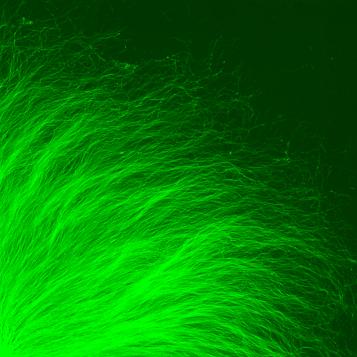
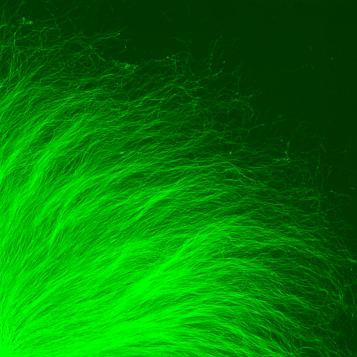
IMAGE

Credit: UBC Okanagan

Researchers at UBC's Okanagan campus have developed a new and improved method to judge the effectiveness of experimental therapies for neurodegeneration–the progressive loss of neurons.

"Neurons–or nerve cells–are hugely important to our daily lives," says post doctoral fellow Aaron Johnstone and study lead author. "These specialized cells collect and process the large amounts of information that enter our bodies via our senses, control our muscles and organs, and form our thoughts and memories. When these cells become unhealthy, it leads to diseases like Alzheimer's and Parkinson's, ALS, glaucoma and chronic pain."

Johnstone says his study uses the first automated test specifically designed for measuring degeneration of sensory neurons grown in a lab.

"The variability in nerve cell lengths, densities and shapes have traditionally made it difficult to reliably analyze their health," says Johnstone. "This, in turn, has generated confusion about the effectiveness of potential pharmacological or genetic treatments."

Using the new approach, which is software-assisted, the research team were able to measure nerve cell densities more accurately.

To do this the team grew nerve cells in a lab environment, and after establishing healthy neurons researchers mimicked the conditions that cause neurodegeneration. Neuron loss was then captured using fluorescent microcopy–a process that makes the tiny cells easier to see–and analyzed using a computer algorithm.

Johnstone suggests that objective measurement is essential to the process of developing new medicines.

"This procedure makes evaluating new treatment options, like drugs or gene therapies, far more accurate and trustworthy," Johnstone adds.

###

The study is a collaboration between UBC Okanagan Vice Principal of Research Phil Barker's lab and Robin Hallett, research fellow at Toronto's Sick Kids Hospital.

The study, published in PLOS ONE was supported by funds from the Canadian Institutes of Health Research and the Health Research Fund of Quebec.

About neurodegenerative disease

Neurodegenerative disease is an umbrella term for a range of conditions, which primarily affect the neurons of the brain, the sensory system, muscles and organs. Neurons are the building blocks of the nervous system. Neurodegenerative diseases are incurable and debilitating–dementia being the most common. More specific conditions include Alzheimer's and Parkinson's diseases.

Media Contact

Christine Zeindler
[email protected]
250-215-5240

http://ok.ubc.ca/welcome.html

Share13Tweet8Share2ShareShareShare2

Related Posts

Florida Cane Toad: Complex Spread and Selective Evolution

Florida Cane Toad: Complex Spread and Selective Evolution

February 7, 2026
New Study Uncovers Mechanism Behind Burn Pit Particulate Matter–Induced Lung Inflammation

New Study Uncovers Mechanism Behind Burn Pit Particulate Matter–Induced Lung Inflammation

February 6, 2026

DeepBlastoid: Advancing Automated and Efficient Evaluation of Human Blastoids with Deep Learning

February 6, 2026

Navigating the Gut: The Role of Formic Acid in the Microbiome

February 6, 2026
Please login to join discussion

POPULAR NEWS

  • Robotic Ureteral Reconstruction: A Novel Approach

    Robotic Ureteral Reconstruction: A Novel Approach

    82 shares
    Share 33 Tweet 21
  • Digital Privacy: Health Data Control in Incarceration

    63 shares
    Share 25 Tweet 16
  • Study Reveals Lipid Accumulation in ME/CFS Cells

    57 shares
    Share 23 Tweet 14
  • Breakthrough in RNA Research Accelerates Medical Innovations Timeline

    53 shares
    Share 21 Tweet 13

About

We bring you the latest biotechnology news from best research centers and universities around the world. Check our website.

Follow us

Recent News

Phage-Antibiotic Combo Beats Resistant Peritoneal Infection

Boosting Remote Healthcare: Stepped-Wedge Trial Insights

Barriers and Boosters of Seniors’ Physical Activity in Karachi

Subscribe to Blog via Email

Enter your email address to subscribe to this blog and receive notifications of new posts by email.

Join 73 other subscribers
  • Contact Us

Bioengineer.org © Copyright 2023 All Rights Reserved.

Welcome Back!

Login to your account below

Forgotten Password?

Retrieve your password

Please enter your username or email address to reset your password.

Log In
No Result
View All Result
  • Homepages
    • Home Page 1
    • Home Page 2
  • News
  • National
  • Business
  • Health
  • Lifestyle
  • Science

Bioengineer.org © Copyright 2023 All Rights Reserved.