• HOME
  • NEWS
  • EXPLORE
    • CAREER
      • Companies
      • Jobs
    • EVENTS
    • iGEM
      • News
      • Team
    • PHOTOS
    • VIDEO
    • WIKI
  • BLOG
  • COMMUNITY
    • FACEBOOK
    • INSTAGRAM
    • TWITTER
Wednesday, May 27, 2026
BIOENGINEER.ORG
No Result
View All Result
  • Login
  • HOME
  • NEWS
  • EXPLORE
    • CAREER
      • Companies
      • Jobs
        • Lecturer
        • PhD Studentship
        • Postdoc
        • Research Assistant
    • EVENTS
    • iGEM
      • News
      • Team
    • PHOTOS
    • VIDEO
    • WIKI
  • BLOG
  • COMMUNITY
    • FACEBOOK
    • INSTAGRAM
    • TWITTER
  • HOME
  • NEWS
  • EXPLORE
    • CAREER
      • Companies
      • Jobs
        • Lecturer
        • PhD Studentship
        • Postdoc
        • Research Assistant
    • EVENTS
    • iGEM
      • News
      • Team
    • PHOTOS
    • VIDEO
    • WIKI
  • BLOG
  • COMMUNITY
    • FACEBOOK
    • INSTAGRAM
    • TWITTER
No Result
View All Result
Bioengineer.org
No Result
View All Result
Home NEWS Science News Biology

UTA researcher wins $1.8 million grant to find new ways to boost immune response

Bioengineer by Bioengineer
August 21, 2018
in Biology
Reading Time: 2 mins read
0
Share on FacebookShare on TwitterShare on LinkedinShare on RedditShare on Telegram
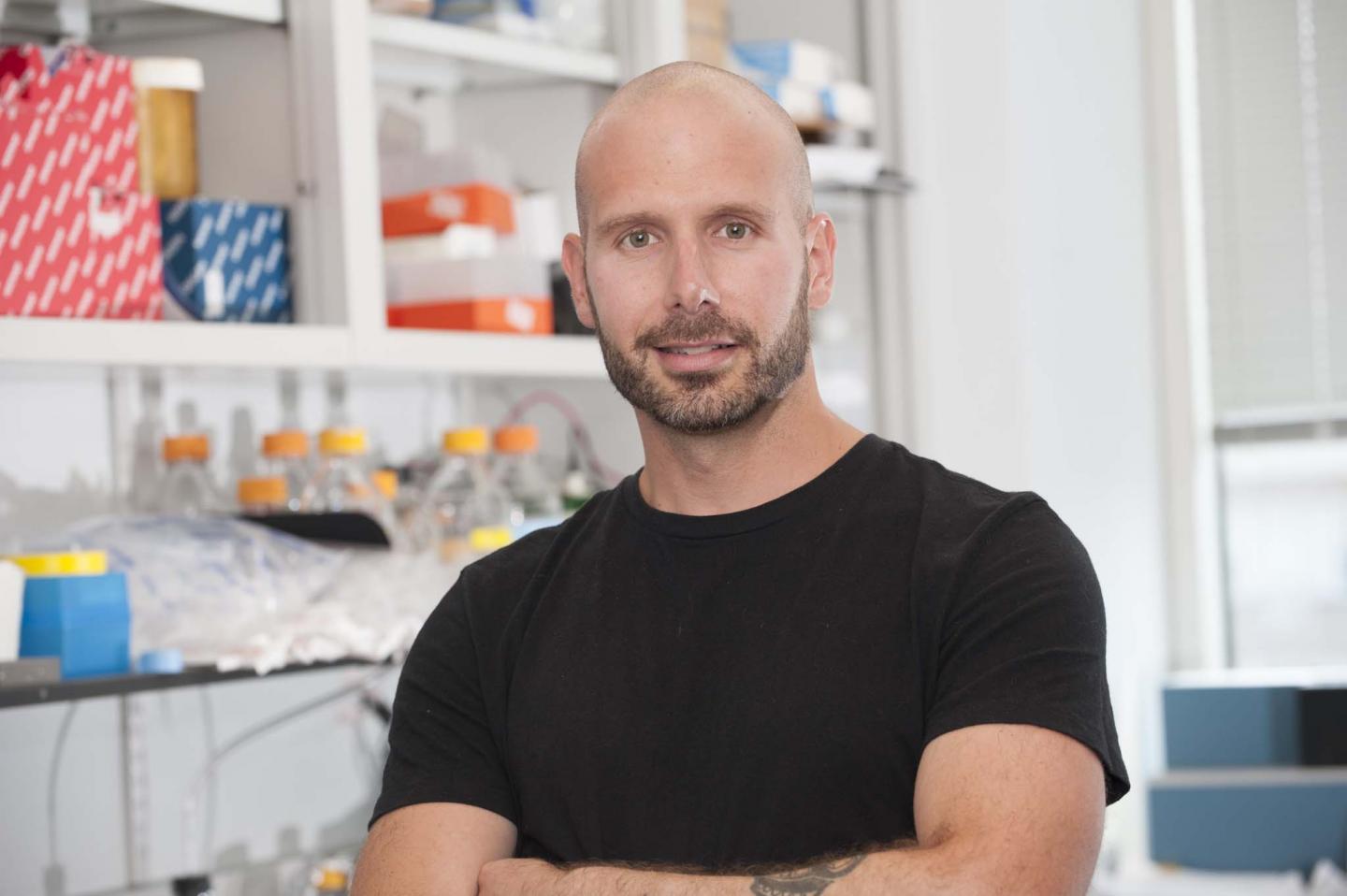
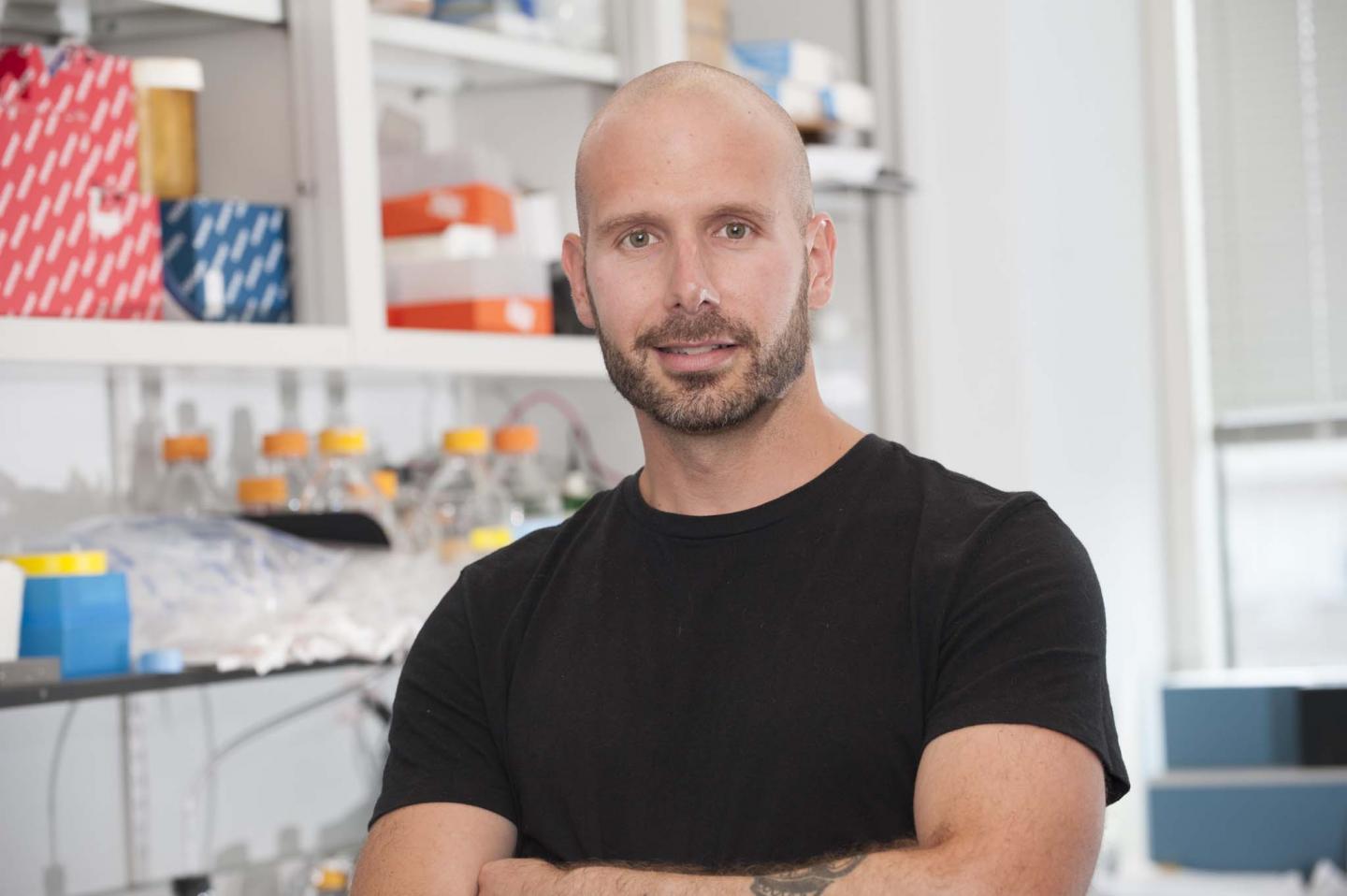
IMAGE

Credit: UTA

A UTA researcher has won a five-year, $1.8 million grant from the National Institutes of Health to look at new ways to harness the body's own defense responses to fight pathogens like bacteria.

"Superbugs, or strains of bacteria that are resistant to multiple families of antibiotics, are an increasingly important problem and can prove life-threatening to patients," said Mark Pellegrino, UTA assistant professor of biology and lead investigator on the grant.

"My team is looking to harness the way mitochondria defend themselves to generate new ways to both boost innate immunity and improve resistance to infections."

Mitochondria have multiple functions within cells, including the production of energy and the metabolism of amino acids and lipids, as well as the regulation of programmed cell death.

When mitochondria are stressed by disease, toxins or infection, a protein enters the cell nucleus and binds to certain DNA sequences to unlock genes to repair the mitochondria. This signaling pathway is called the mitochondrial unfolded protein response.

In previous research, Pellegrino identified the protein ATFS-1 as the regulator of this mechanism in C. elegans, a primitive worm that is studied as it shares many characteristics with human biology. He then discovered that ATFS-1 and this signaling mechanism also play an important role in promoting a mitochondrial-associated defense strategy against infection.

"Mitochondria are an obvious target for pathogens, especially given their role in programmed cell death," Pellegrino said. "We plan to look at the way that pathogens interact with the mitochondria's defense and repair system – ATFS-1 and the signaling pathway – with the long-term goal of developing new treatment options for patients."

Pellegrino joined UTA in 2016 from Memorial Sloan Kettering Cancer Center in New York with a grant from The Cancer Prevention and Research Institute of Texas to study mitochondrial stress signaling in the context of cancer biology. His previous discovery that mitochondria are an important activator of innate immunity was published in the leading journal Nature in 2014.

His group will be housed in UTA's new Science & Engineering Innovation & Research Building or SEIR, a state-of-the-art teaching and research space focused on health-science discoveries that will be inaugurated in late September.

"One of the reasons I came to UTA was because of the SEIR building project, which really catapults UTA into a new level in teaching and research," Pellegrino said. "I look forward to collaborating with my colleagues across multiple disciplines in this new environment."

Clay Clark, UTA chair of biology, congratulated Pellegrino on his new success.

"Dr. Pellegrino is helping us build a very strong biology program with an increasing emphasis on health sciences," Clark said. "This new grant broadens the scope of his work on mitochondrial stress and immune response and brings a new optic to the issue of how to manage infections."

###

Media Contact

Louisa Kellie
[email protected]
817-524-8926
@utarlington

http://www.uta.edu

Original Source

https://www.uta.edu/news/releases/2018/08/Pellegrino%20release.php

Share12Tweet7Share2ShareShareShare1

Related Posts

Scientists Uncover How Developing Immune Cells Precisely Adjust Their Signals — Biology

Scientists Uncover How Developing Immune Cells Precisely Adjust Their Signals

May 27, 2026
Study Reveals That Experiencing Awe in Nature Enhances People’s Connection to Science — Biology

Study Reveals That Experiencing Awe in Nature Enhances People’s Connection to Science

May 27, 2026

Study from CU Anschutz Reveals How Preconception Stress Can Affect Offspring Growth

May 27, 2026

Canadian Rockies Research Reveals Spruce Trees Adapt Consistently Across Rugged Peaks and Boreal Flatlands

May 26, 2026
Please login to join discussion

POPULAR NEWS

  • ESMO 2025: mRNA COVID Vaccines Enhance Efficacy of Cancer Immunotherapy

    317 shares
    Share 127 Tweet 79
  • New Study Reveals Plants Can Detect the Sound of Rain

    735 shares
    Share 293 Tweet 183
  • Common Food Preservatives Associated with Elevated Blood Pressure and Increased Heart Disease Risk

    56 shares
    Share 22 Tweet 14
  • AI-Powered Atlas Uncovers Extensive Whole-Body Damage Linked to Obesity

    53 shares
    Share 21 Tweet 13

About

We bring you the latest biotechnology news from best research centers and universities around the world. Check our website.

Follow us

Recent News

Did Heart Health Influence the Severity of COVID-19 Infections During the Pandemic?

Heart Health Linked to Severity of COVID-19 Infection During the Pandemic

Robust Single-Mode Laser Created by Merging Bound States

Subscribe to Blog via Email

Enter your email address to subscribe to this blog and receive notifications of new posts by email.

Join 82 other subscribers
  • Contact Us

Bioengineer.org © Copyright 2023 All Rights Reserved.

Welcome Back!

Login to your account below

Forgotten Password?

Retrieve your password

Please enter your username or email address to reset your password.

Log In
No Result
View All Result
  • Homepages
    • Home Page 1
    • Home Page 2
  • News
  • National
  • Business
  • Health
  • Lifestyle
  • Science

Bioengineer.org © Copyright 2023 All Rights Reserved.