

• HOME
  • NEWS
  • EXPLORE
    • CAREER
      • Companies
      • Jobs
    • EVENTS
    • iGEM
      • News
      • Team
    • PHOTOS
    • VIDEO
    • WIKI
  • BLOG
  • COMMUNITY
    • FACEBOOK
    • INSTAGRAM
    • TWITTER
Saturday, February 7, 2026
BIOENGINEER.ORG
No Result
View All Result
  • Login
  • HOME
  • NEWS
  • EXPLORE
    • CAREER
      • Companies
      • Jobs
        • Lecturer
        • PhD Studentship
        • Postdoc
        • Research Assistant
    • EVENTS
    • iGEM
      • News
      • Team
    • PHOTOS
    • VIDEO
    • WIKI
  • BLOG
  • COMMUNITY
    • FACEBOOK
    • INSTAGRAM
    • TWITTER
  • HOME
  • NEWS
  • EXPLORE
    • CAREER
      • Companies
      • Jobs
        • Lecturer
        • PhD Studentship
        • Postdoc
        • Research Assistant
    • EVENTS
    • iGEM
      • News
      • Team
    • PHOTOS
    • VIDEO
    • WIKI
  • BLOG
  • COMMUNITY
    • FACEBOOK
    • INSTAGRAM
    • TWITTER
No Result
View All Result
Bioengineer.org
No Result
View All Result
Home NEWS Science News Health

Henry Ford physician receives NIH grant for first-of-its-kind keloid study

Bioengineer by Bioengineer
August 9, 2018
in Health
Reading Time: 2 mins read
0
Share on FacebookShare on TwitterShare on LinkedinShare on RedditShare on Telegram
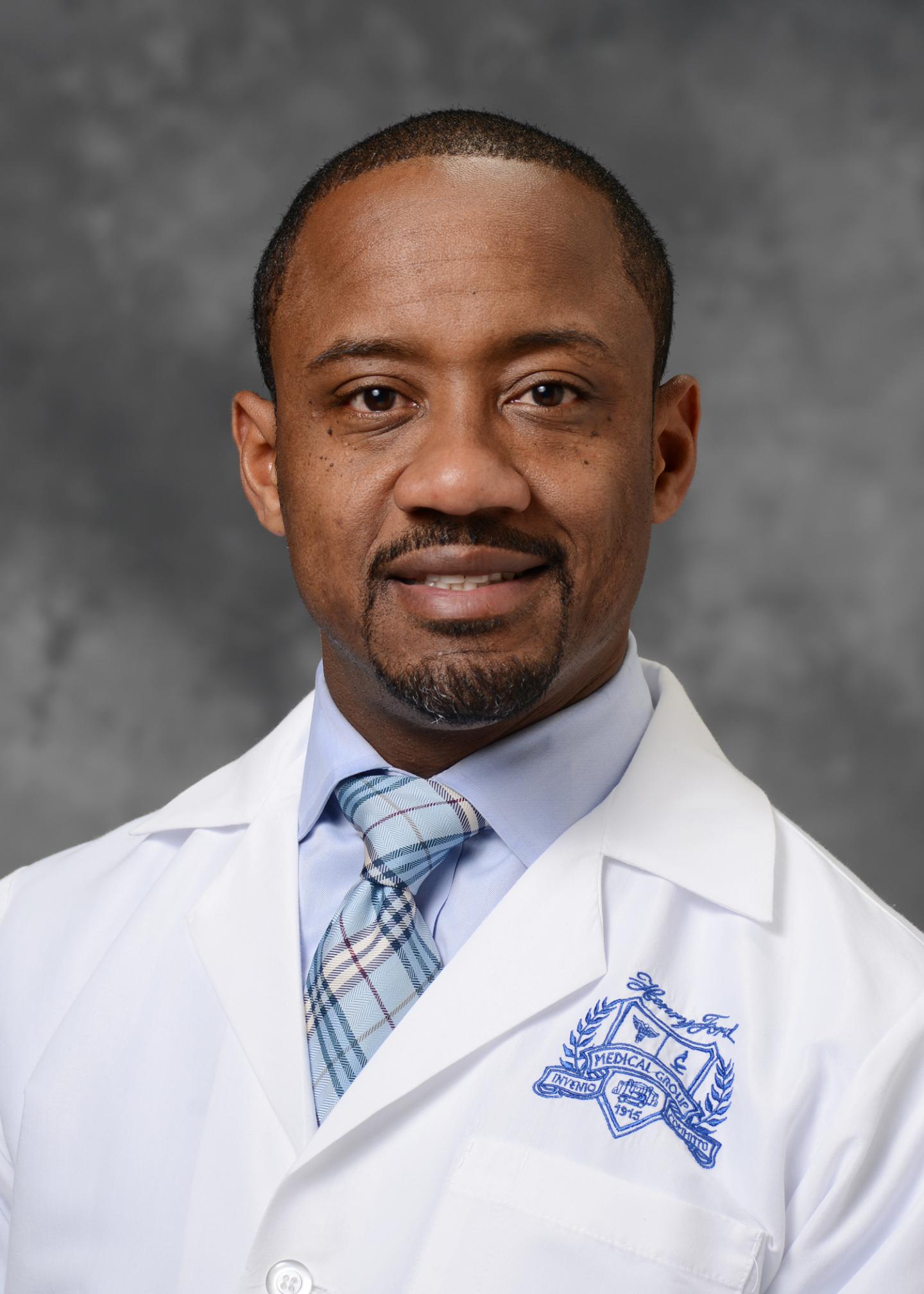
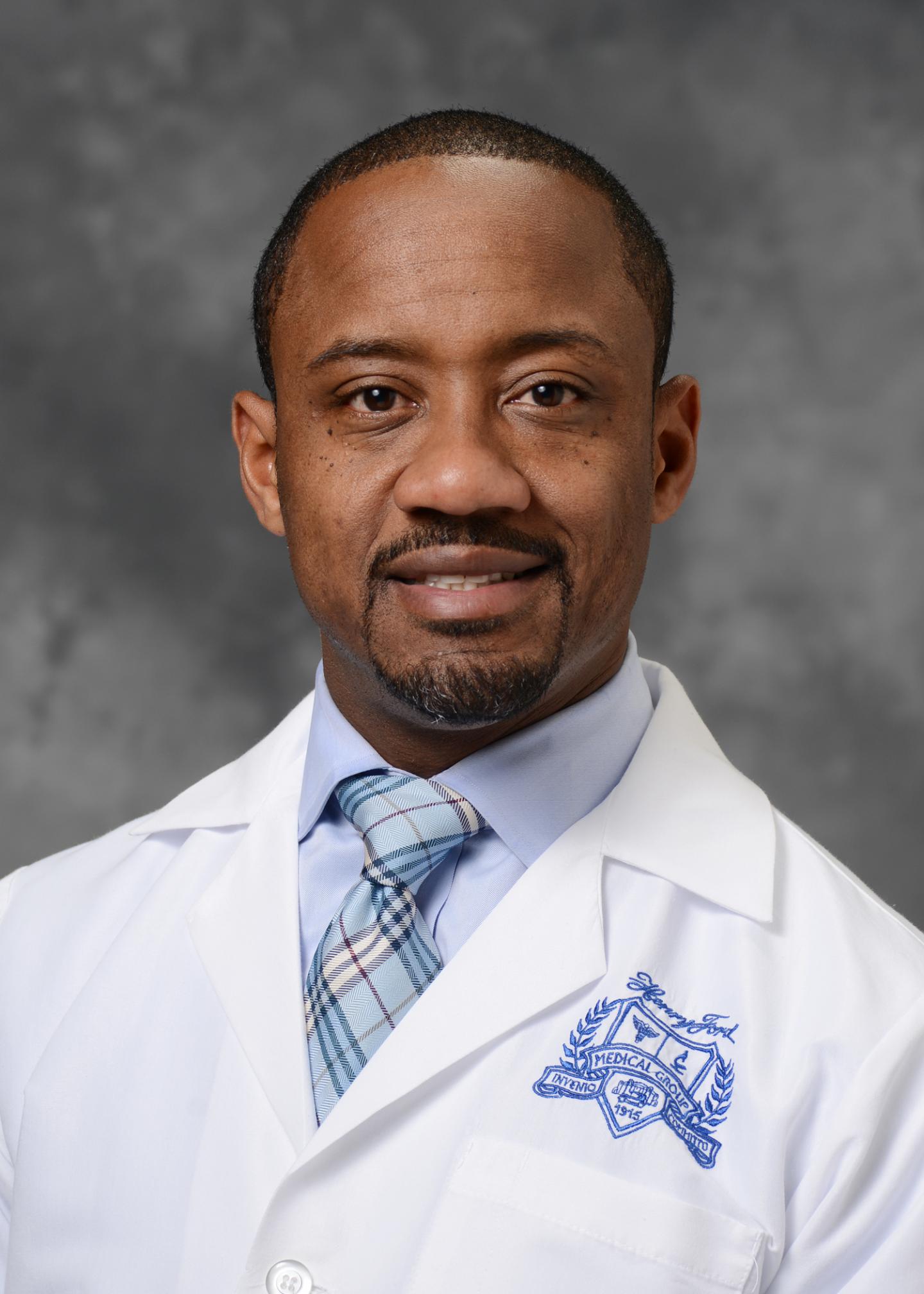
IMAGE

Credit: Henry Ford Health System

DETROIT – Lamont R. Jones, M.D., MBA, vice chair for the Department of Otolaryngology – Head and Neck Surgery at Henry Ford Health System, received a five-year, $895,814 grant from the National Institutes of Health to fund a research project titled, "Characterization of Keloid Specific Exosomes and Determination of Exosomal Critical Signaling Pathways in the Keloid Microenvironment."

Each year, more than 11 million people in the world suffer from keloids, resulting in more than 425,000 associated clinic visits in the United States. Keloids are benign fibroproliferative tumors, which can result in excessive growths of scar-like tissue on the skin. They develop over injuries, such as trauma, burns, surgery, piercings, tattoos, acne and ingrown hair in at-risk people.

Keloids often cause pain, severe itching, emotional distress and loss of function. They are more common in patients with darker skin, including those of African, Hispanic, Middle Eastern and Asian descent. However, Caucasians are also affected. Clinical outcomes for the treatment of keloids are disappointing with high recurrence rates, mainly due to the lack of knowledge regarding the mechanisms of keloid formation.

There are currently no FDA-approved therapies for keloids.

To date, much of the research into keloid development has focused primarily on genetic mechanisms. This approach has yielded few tangible results, with large gaps in the understanding of keloid pathogenesis.

"Currently, there are no published studies on keloid exosomes," Dr. Jones said. "Preliminary data from our research shows the potential contribution of exosomes in keloid development. We believe this data could eventually open the door to novel exosome-based keloid therapies."

Exosomes are small vesicles that facilitate important cellular functions. They transport bioactive molecules between cells, which is an important part of cell-to-cell communication. Preliminary data from the research has identified RAB27 proteins as being differentially hypomethylated in keloid versus normal skin. The data has also identified keloid-specific exosomes. Currently, there are no published reports regarding the contribution of RAB27 methylation on exosome production and function.

In addition to Dr. Jones, who serves as the primary investigator, the research team includes, Michael Chopp, Ph.D., Qing-Sheng Mi, M.D., Ph.D., Maria Worsham, Ph.D. and Zhenggang Zhang, Ph.D.

If you would like to make a gift to help support keloid research and patients who need treatment, please contact Klementina Sula, Henry Ford West Bloomfield Hospital chief development officer, at [email protected] or (248) 325-0832.

###

Research reported in this publication was supported by the National Institute of General Medical Sciences of the National Institutes of Health under Award Number K08GM128156. The content is solely the responsibility of the authors and does not necessarily represent the official views of the National Institutes of Health.

Media Contact

Jeff Adkins
[email protected]
586-307-2027
@henryfordnews

https://www.henryford.com/

Original Source

https://www.henryford.com/news/2018/08/henry-ford-physician-receives-nih-grant-for-first-of-its-kind-keloid-study

Share12Tweet7Share2ShareShareShare1

Related Posts

Succinate Receptor 1 Limits Blood Cell Formation, Leukemia

February 7, 2026

Palmitoylation of Tfr1 Drives Platelet Ferroptosis and Exacerbates Liver Damage in Heat Stroke

February 7, 2026

Oxygen-Enhanced Dual-Section Microneedle Patch Improves Drug Delivery and Boosts Photodynamic and Anti-Inflammatory Treatment for Psoriasis

February 7, 2026

Scientists Identify SARS-CoV-2 PLpro and RIPK1 Inhibitors Showing Potent Synergistic Antiviral Effects in Mouse COVID-19 Model

February 7, 2026
Please login to join discussion

POPULAR NEWS

  • Robotic Ureteral Reconstruction: A Novel Approach

    Robotic Ureteral Reconstruction: A Novel Approach

    82 shares
    Share 33 Tweet 21
  • Digital Privacy: Health Data Control in Incarceration

    63 shares
    Share 25 Tweet 16
  • Study Reveals Lipid Accumulation in ME/CFS Cells

    57 shares
    Share 23 Tweet 14
  • Breakthrough in RNA Research Accelerates Medical Innovations Timeline

    53 shares
    Share 21 Tweet 13

About

We bring you the latest biotechnology news from best research centers and universities around the world. Check our website.

Follow us

Recent News

Succinate Receptor 1 Limits Blood Cell Formation, Leukemia

Palmitoylation of Tfr1 Drives Platelet Ferroptosis and Exacerbates Liver Damage in Heat Stroke

Oxygen-Enhanced Dual-Section Microneedle Patch Improves Drug Delivery and Boosts Photodynamic and Anti-Inflammatory Treatment for Psoriasis

Subscribe to Blog via Email

Enter your email address to subscribe to this blog and receive notifications of new posts by email.

Join 73 other subscribers
  • Contact Us

Bioengineer.org © Copyright 2023 All Rights Reserved.

Welcome Back!

Login to your account below

Forgotten Password?

Retrieve your password

Please enter your username or email address to reset your password.

Log In
No Result
View All Result
  • Homepages
    • Home Page 1
    • Home Page 2
  • News
  • National
  • Business
  • Health
  • Lifestyle
  • Science

Bioengineer.org © Copyright 2023 All Rights Reserved.