

• HOME
  • NEWS
  • EXPLORE
    • CAREER
      • Companies
      • Jobs
    • EVENTS
    • iGEM
      • News
      • Team
    • PHOTOS
    • VIDEO
    • WIKI
  • BLOG
  • COMMUNITY
    • FACEBOOK
    • INSTAGRAM
    • TWITTER
Saturday, February 7, 2026
BIOENGINEER.ORG
No Result
View All Result
  • Login
  • HOME
  • NEWS
  • EXPLORE
    • CAREER
      • Companies
      • Jobs
        • Lecturer
        • PhD Studentship
        • Postdoc
        • Research Assistant
    • EVENTS
    • iGEM
      • News
      • Team
    • PHOTOS
    • VIDEO
    • WIKI
  • BLOG
  • COMMUNITY
    • FACEBOOK
    • INSTAGRAM
    • TWITTER
  • HOME
  • NEWS
  • EXPLORE
    • CAREER
      • Companies
      • Jobs
        • Lecturer
        • PhD Studentship
        • Postdoc
        • Research Assistant
    • EVENTS
    • iGEM
      • News
      • Team
    • PHOTOS
    • VIDEO
    • WIKI
  • BLOG
  • COMMUNITY
    • FACEBOOK
    • INSTAGRAM
    • TWITTER
No Result
View All Result
Bioengineer.org
No Result
View All Result
Home NEWS Science News Health

Early antiretroviral therapy reduces gut inflammation in HIV+ individuals

Bioengineer by Bioengineer
July 7, 2016
in Health
Reading Time: 2 mins read
0
Share on FacebookShare on TwitterShare on LinkedinShare on RedditShare on Telegram

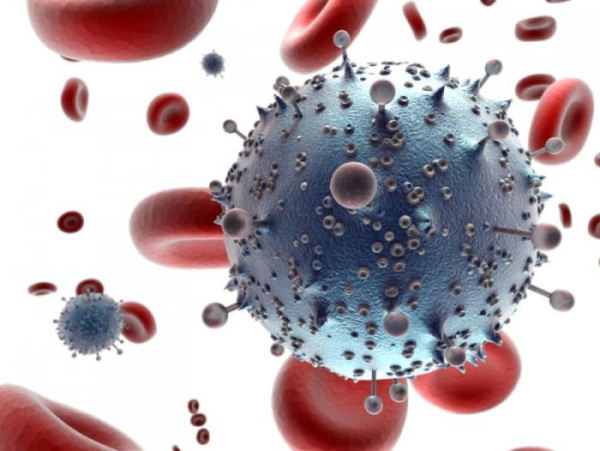
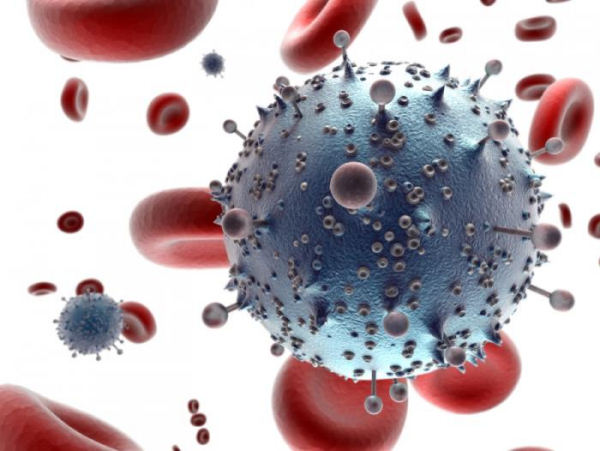
hiv

Combination antiretroviral therapy (cART) suppresses HIV replication and significantly slows the progression of disease, enabling HIV+ individuals to effectively manage infection for long periods. One of the manifestations of HIV infection is chronic inflammation in the gut and damage to the gastrointestinal barrier, which is thought to contribute to immune system activation. Elevated immune system activation is associated with increased risk of non-AIDS-associated disease and death in HIV+ individuals.

In this issue of JCI Insight, a research team led by Jacob Estes of the AIDS and Cancer Virus Program at the Frederick National Laboratory for Cancer Research reports on the impact of cART on gut inflammation in acutely infected HIV patients. This group of patients is particularly unique as infection was identified on average 16 days after initial HIV infection. By examining colon biopsies taken from acute and chronic infection phases, this study provides an unprecedented look at the impact of early cART on the gut. The researchers found that all infected individuals already had reduced CD4+ T cells within the gut and showed signs of significant gut inflammation at the time infection, demonstrating that gastrointestinal tract damage occurs very early after infection. Subsequent analysis showed that early cART blunts gastrointestinal inflammation and immune activation in acutely infected HIV patients but did not restore CD4+ T cell counts in the gut in the long-term. These findings suggest that earlier cART may be beneficial to the health of HIV-infected individuals, but also indicates that CD4+ T cell depletion in the gut remains intractable with current therapy.

###

TITLE:

Impact of early cART in the gut during acute HIV infection

AUTHOR CONTACT:

Jacob D. Estes
Frederick National Laboratory for Cancer Research
Email: [email protected]

View this article at: http://insight.jci.org/articles/view/87065?key=e1219ccabdb85754753a

JCI Insight is the newest publication from the American Society of Clinical Investigation, a nonprofit honor organization of physician-scientists. JCI Insight is dedicated to publishing a range of translational biomedical research with an emphasis on rigorous experimental methods and data reporting. All articles published in JCI Insight are freely available at the time of publication. For more information about JCI Insight and all of the latest articles go to http://www.insight.jci.org.

Media Contact

Corinne Williams
[email protected]
@jclinicalinvest

http://www.jci.org

The post Early antiretroviral therapy reduces gut inflammation in HIV+ individuals appeared first on Scienmag.

Share66Tweet8Share2ShareShareShare2

Related Posts

3D Gut-Brain-Vascular Model Reveals Disease Links

February 7, 2026

Low-Inflammation in Elderly UTIs: Risks and Resistance

February 7, 2026

Urinary Clusterin: Tracking Kidney Disease and Treatment Response

February 7, 2026

Personalized Guide to Understanding and Reducing Chemicals

February 7, 2026
Please login to join discussion

POPULAR NEWS

  • Robotic Ureteral Reconstruction: A Novel Approach

    Robotic Ureteral Reconstruction: A Novel Approach

    82 shares
    Share 33 Tweet 21
  • Digital Privacy: Health Data Control in Incarceration

    63 shares
    Share 25 Tweet 16
  • Study Reveals Lipid Accumulation in ME/CFS Cells

    57 shares
    Share 23 Tweet 14
  • Breakthrough in RNA Research Accelerates Medical Innovations Timeline

    53 shares
    Share 21 Tweet 13

About

We bring you the latest biotechnology news from best research centers and universities around the world. Check our website.

Follow us

Recent News

3D Gut-Brain-Vascular Model Reveals Disease Links

Low-Inflammation in Elderly UTIs: Risks and Resistance

Urinary Clusterin: Tracking Kidney Disease and Treatment Response

Subscribe to Blog via Email

Enter your email address to subscribe to this blog and receive notifications of new posts by email.

Join 73 other subscribers
  • Contact Us

Bioengineer.org © Copyright 2023 All Rights Reserved.

Welcome Back!

Login to your account below

Forgotten Password?

Retrieve your password

Please enter your username or email address to reset your password.

Log In
No Result
View All Result
  • Homepages
    • Home Page 1
    • Home Page 2
  • News
  • National
  • Business
  • Health
  • Lifestyle
  • Science

Bioengineer.org © Copyright 2023 All Rights Reserved.
