Credit: Kessler Foundation
Model system researchers have examined the factors that influence productive activity one year after traumatic brain injury (TBI). Their article, Lequerica AH,Botticello A, O'Neill J, Lengenfelder J, Krch D, Chiaravalloti ND, et al. "Relationship between Hispanic nativity, residential environment and productive activity among individuals with traumatic brain injury: A TBI Model Systems Study", doi: 10.1097/HTR.0000000000000398, was published ahead of print by the Journal of Head Trauma Rehabilitation on May 31.
The research team, which included investigators from seven regional TBI Model Systems, studied data on 706 Hispanic individuals in the database of the TBI Model System, funded by the National Institute on Disability, Independent Living and Rehabilitation Research (NIDILRR). They looked at the influence of nativity, ie, whether individuals who identified as Hispanic were native (57.9% born in the U.S.) or foreign-born (42.1% from Central and South America, Caribbean, Europe, and other). They also looked at residential characteristics, including the proportion of foreign language speakers in their communities.
The study uncovered new information about the factors influencing productivity among foreign-born Hispanics with TBI. "For this group, living in an area with a high number of foreign language speakers had a positive effect on their outcomes," noted lead author Anthony H. Lequerica, PhD, "which was not what we expected." One year after traumatic brain injury, foreign-born Hispanics living in areas with high proportions of foreign language speakers were 2.8 times more likely to engage in productive activities such as employment and volunteer activities, compared with those living in areas with fewer foreign language speakers," he emphasized.
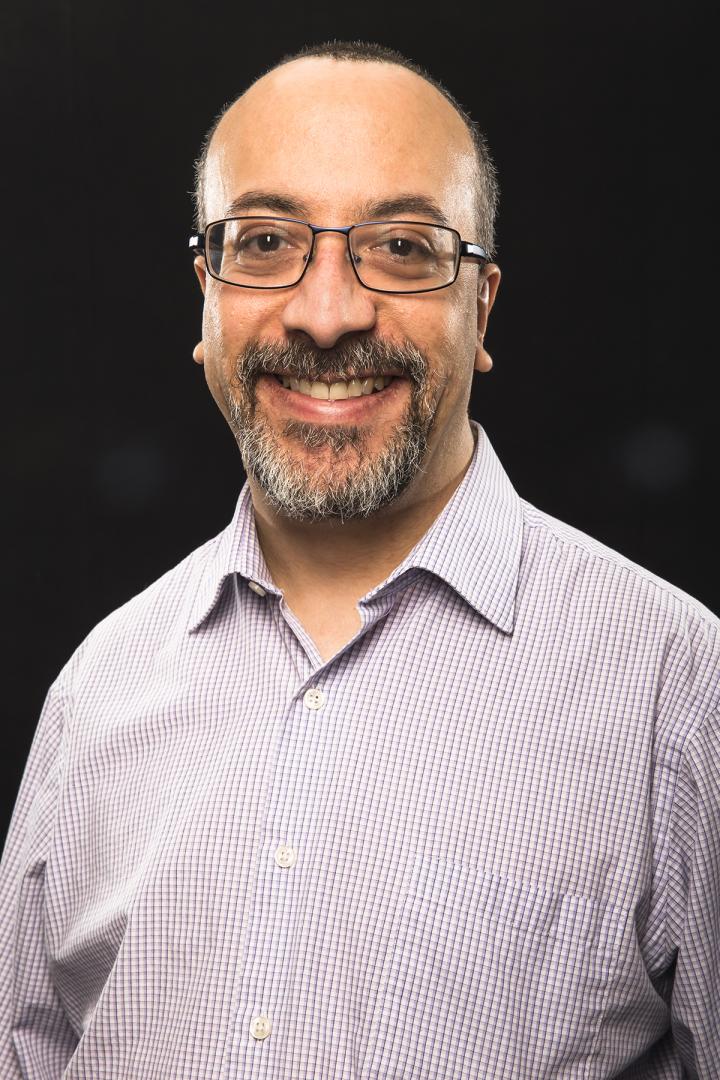
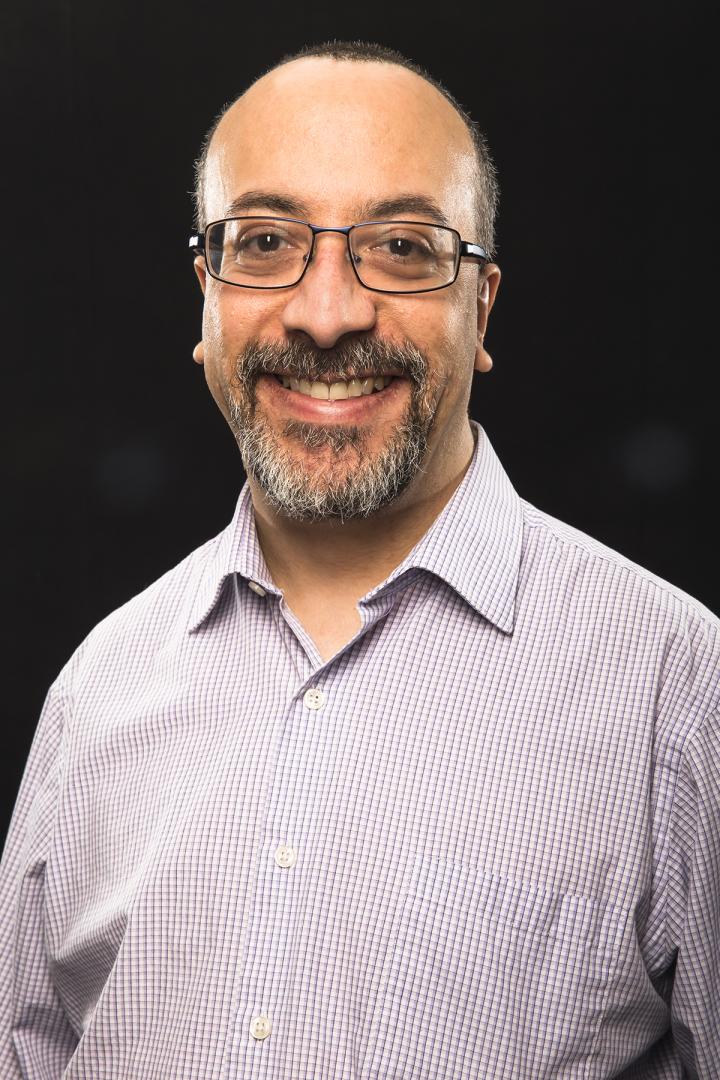
"This illustrates the importance of research within diverse communities of individuals with TBI. A complex combination of factors affect outcomes in ways that may differ from the mainstream majority culture," Dr. Lequerica stated. "It emphasizes the importance of tailoring interventions to the individual with TBI, learning about the neighborhoods to which they are returning, and taking these factors into account in the continuum of care." Dr. Lequerica, senior research scientist in TBI Research at Kessler Foundation, is an investigator with the Northern New Jersey TBI Model System.
###
Article link: Relationship between Hispanic nativity, residential environment and productive activity among individuals with traumatic brain injury: A TBI Model Systems Study
https://insights.ovid.com/crossref?an=00001199-900000000-99487
Funded by the National Institute on Disability, Independent Living, and Rehabilitation Research (90DPB0032, 90DPB0047, 90DPB0028, 90DPB0038, 90DPB0046, 90DPTB001601, 90DP0034-01-00, 90DP0084-01-00)
About the TBI Model System
The Traumatic Brain Injury Model Systems (TBIMS) program, sponsored by the National Institute on Disability, Independent Living, and Rehabilitation Research (NIDILRR) , Administration for Community Living, U.S. Department of Health and Human Services, supports innovative projects and research in the delivery, demonstration, and evaluation of medical, rehabilitation, vocational, and other services designed to meet the needs of individuals with traumatic brain injury. NIDILRR awards TBI Model Systems grants to institutions that are national leaders in medical research and patient care; these institutions provide the highest level of comprehensive specialty services from the point of injury through eventual re-entry into full community life. The current grant cycle supports 15 regional TBI Model Systems across the U.S. Each TBI Model System contributes to the Traumatic Brain Injury Model Systems National Database, participates in independent and collaborative research, and provides information and resources to individuals with TBI; their families, caregivers, and friends; health care professionals; and the general public.
About Kessler Foundation
Kessler Foundation, a major nonprofit organization in the field of disability, is a global leader in rehabilitation research that seeks to improve cognition, mobility and long-term outcomes, including employment, for people with neurological disabilities caused by diseases and injuries of the brain and spinal cord. Kessler Foundation leads the nation in funding innovative programs that expand opportunities for employment for people with disabilities. Learn more by visiting http://www.KesslerFoundation.org.
Stay Connected
Twitter | http://www.twitter.com/KesslerFdn
Facebook | http://www.facebook.com/KesslerFoundation
YouTube | http://www.youtube.com/user/KesslerFoundation
Instagram | http://www.instagram.com/kesslerfdn
iTunes & SoundCloud | http://www.soundcloud.com/kesslerfoundation
Media Contact
Carolann Murphy
[email protected]
973-324-8382
@KesslerFdn
http://www.KesslerFoundation.org
Original Source
https://kesslerfoundation.org/content/researchers-link-residential-characteristics-productivity-one-year-after-brain-injury http://dx.doi.org/10.1097/HTR.0000000000000398