• HOME
  • NEWS
  • EXPLORE
    • CAREER
      • Companies
      • Jobs
    • EVENTS
    • iGEM
      • News
      • Team
    • PHOTOS
    • VIDEO
    • WIKI
  • BLOG
  • COMMUNITY
    • FACEBOOK
    • INSTAGRAM
    • TWITTER
Saturday, February 7, 2026
BIOENGINEER.ORG
No Result
View All Result
  • Login
  • HOME
  • NEWS
  • EXPLORE
    • CAREER
      • Companies
      • Jobs
        • Lecturer
        • PhD Studentship
        • Postdoc
        • Research Assistant
    • EVENTS
    • iGEM
      • News
      • Team
    • PHOTOS
    • VIDEO
    • WIKI
  • BLOG
  • COMMUNITY
    • FACEBOOK
    • INSTAGRAM
    • TWITTER
  • HOME
  • NEWS
  • EXPLORE
    • CAREER
      • Companies
      • Jobs
        • Lecturer
        • PhD Studentship
        • Postdoc
        • Research Assistant
    • EVENTS
    • iGEM
      • News
      • Team
    • PHOTOS
    • VIDEO
    • WIKI
  • BLOG
  • COMMUNITY
    • FACEBOOK
    • INSTAGRAM
    • TWITTER
No Result
View All Result
Bioengineer.org
No Result
View All Result
Home NEWS Science News Biology

Male birds sing less to females on antidepressants

Bioengineer by Bioengineer
August 6, 2018
in Biology
Reading Time: 2 mins read
0
Share on FacebookShare on TwitterShare on LinkedinShare on RedditShare on Telegram
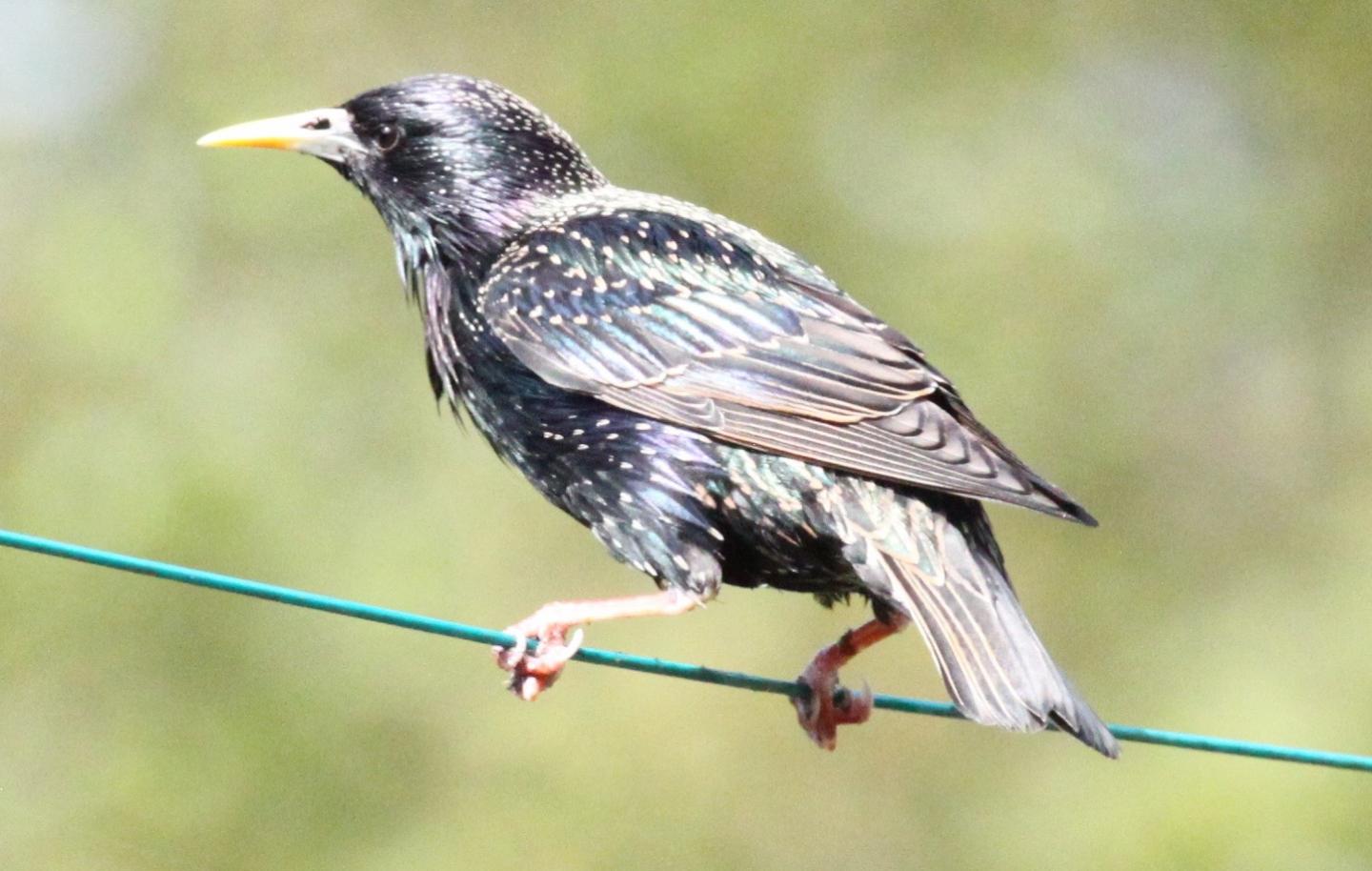
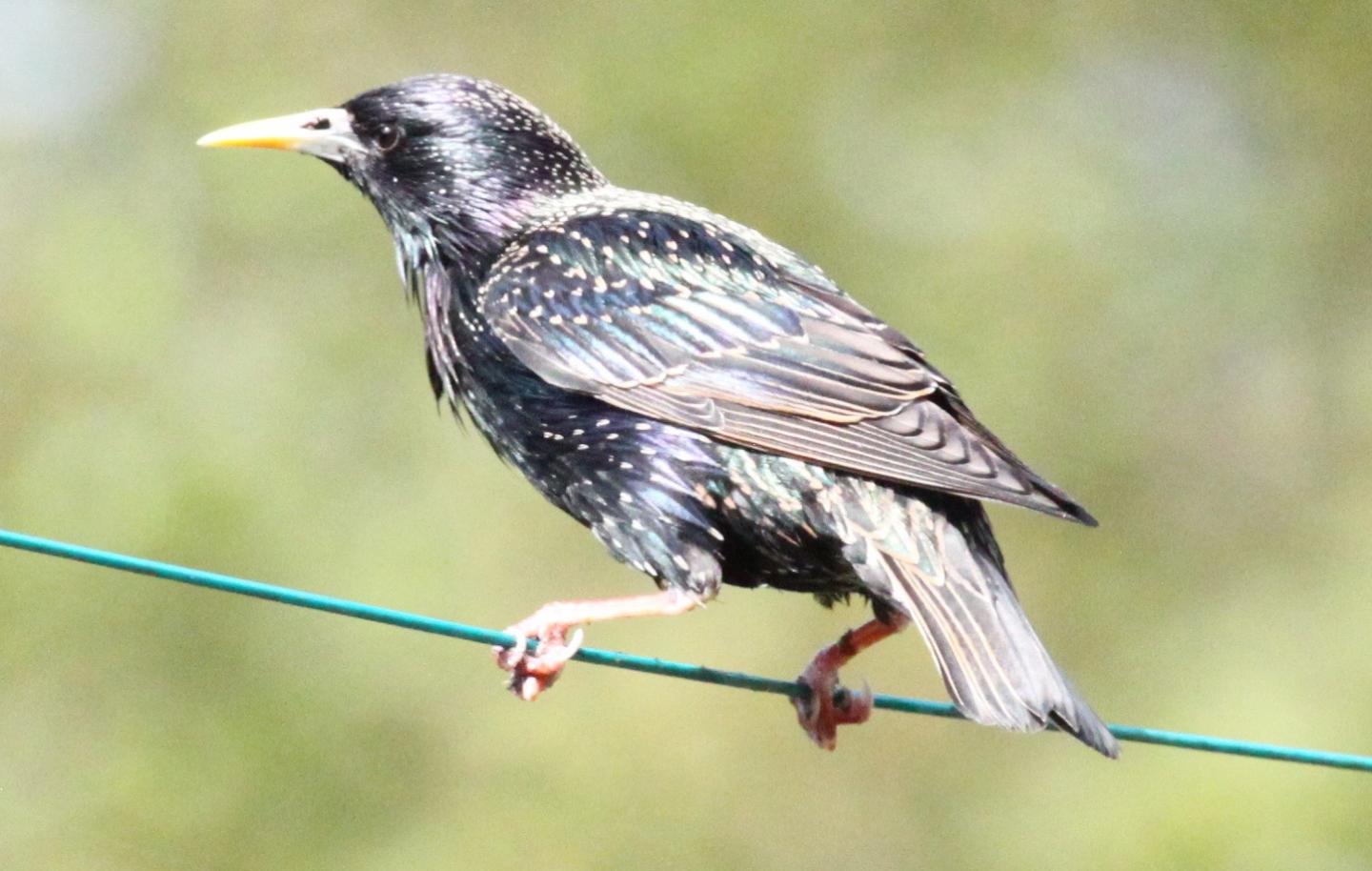
IMAGE

Credit: Liam Smith

During courtship male starlings sing less to females who have been fed dilute concentrations of antidepressants, according to a new study led by the University of York.

The researchers studied the birds at sewage works where birds flock to feed all year round. But the worms, maggots and flies at sewage treatment plants have been found to contain many different pharmaceuticals, including Prozac.

The study showed that dilute concentrations of Prozac similar to those measured at sewage works appeared to make female starlings less attractive to the opposite sex.

In 2016, there were 64.7 million antidepressant items prescribed in the UK. Some of these compounds are stable in the environment and break down slowly once they've passed through our bodies and into sewage-treatment systems.

Dr Kathryn Arnold and Sophia Whitlock, from the Environment Department at the University of York, have been studying the effects of environmental levels of fluoxetine (commonly known as Prozac) on starlings for a number of years. They have discovered changes in the behaviour of these starlings that could put birds at risk in the wild.

Sophia Whitlock, researcher on the project, said: "Singing is a key part of courtship for birds, used by males to court favoured females and used by females to choose the highest quality male to father their chicks. Males sang more than twice as often and as long to untreated females compared to females that had been receiving low doses of Prozac."

Funded by the Natural Environment Research Council (NERC), the study also found increased male aggression towards females receiving the dilute dose of Prozac. Instead of courting them, males were more likely to chase, peck or claw the female starlings on Prozac.

Dr Arnold said: "Here is the first evidence that low concentrations of an antidepressant can disrupt the courtship of songbirds. This is important because animals that are slow to find a mate often won't get to breed. With many wildlife populations in decline, we have to ask whether more could be done to remove chemical contaminants like pharmaceuticals from our sewage."

###

The results of the three year study are published in the journal Chemosphere. The study also involved researchers from the NERC Centre for Ecology and Hydrology and the Animal and Plant Health Agency.

Media Contact

Shelley Hughes
[email protected]
01-904-323-918
@uniofyork

http://www.york.ac.uk

Related Journal Article

http://dx.doi.org/10.1016/j.chemosphere.2018.07.074

Share12Tweet8Share2ShareShareShare2

Related Posts

Florida Cane Toad: Complex Spread and Selective Evolution

Florida Cane Toad: Complex Spread and Selective Evolution

February 7, 2026
New Study Uncovers Mechanism Behind Burn Pit Particulate Matter–Induced Lung Inflammation

New Study Uncovers Mechanism Behind Burn Pit Particulate Matter–Induced Lung Inflammation

February 6, 2026

DeepBlastoid: Advancing Automated and Efficient Evaluation of Human Blastoids with Deep Learning

February 6, 2026

Navigating the Gut: The Role of Formic Acid in the Microbiome

February 6, 2026
Please login to join discussion

POPULAR NEWS

  • Robotic Ureteral Reconstruction: A Novel Approach

    Robotic Ureteral Reconstruction: A Novel Approach

    82 shares
    Share 33 Tweet 21
  • Digital Privacy: Health Data Control in Incarceration

    63 shares
    Share 25 Tweet 16
  • Study Reveals Lipid Accumulation in ME/CFS Cells

    57 shares
    Share 23 Tweet 14
  • Breakthrough in RNA Research Accelerates Medical Innovations Timeline

    53 shares
    Share 21 Tweet 13

About

We bring you the latest biotechnology news from best research centers and universities around the world. Check our website.

Follow us

Recent News

Phage-Antibiotic Combo Beats Resistant Peritoneal Infection

Boosting Remote Healthcare: Stepped-Wedge Trial Insights

Barriers and Boosters of Seniors’ Physical Activity in Karachi

Subscribe to Blog via Email

Enter your email address to subscribe to this blog and receive notifications of new posts by email.

Join 73 other subscribers
  • Contact Us

Bioengineer.org © Copyright 2023 All Rights Reserved.

Welcome Back!

Login to your account below

Forgotten Password?

Retrieve your password

Please enter your username or email address to reset your password.

Log In
No Result
View All Result
  • Homepages
    • Home Page 1
    • Home Page 2
  • News
  • National
  • Business
  • Health
  • Lifestyle
  • Science

Bioengineer.org © Copyright 2023 All Rights Reserved.