Credit: ©Science China Press
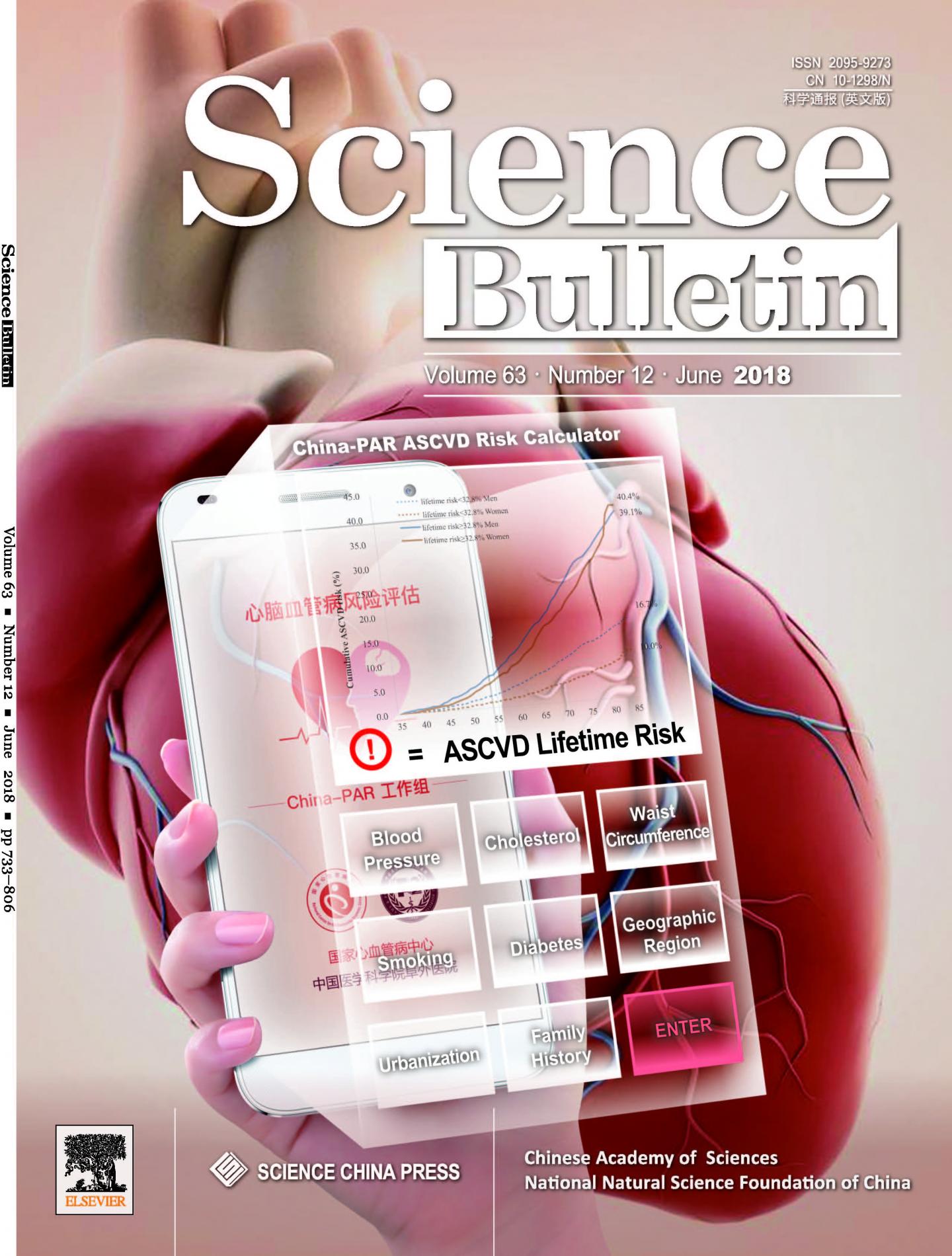
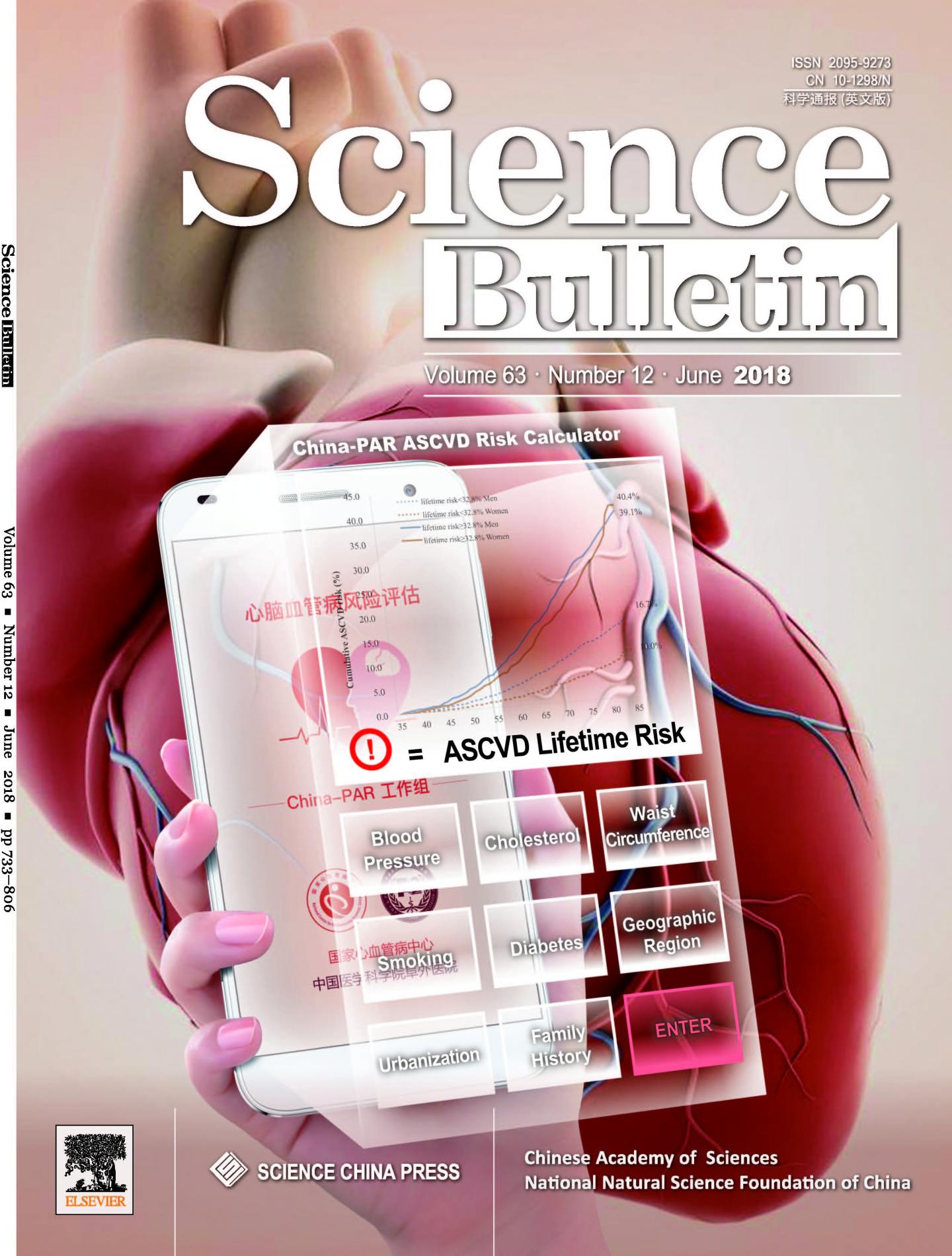
Cardiovascular disease (CVD) is the leading cause of morbidity and mortality and also contributes to huge health care expenditures in China. Therefore, accurate and early identification of high-risk individuals is important for CVD prevention. The China-PAR (Prediction for atherosclerotic CVD (ASCVD) Risk in China) project generated equations with excellent capacity to predict lifetime risk for ASCVD by incorporating four large and ongoing cohorts followed up until 2015 with 106,281 Chinese participants, according to a new study published by Science Bulletin.
According to the authors, these are the most recent lifetime risk estimates for ASCVD that predict personalized lifetime risk, and their reliability and generalizability have been verified by internal and external validation. Using these equations will provide novel information for a comprehensive assessment of ASCVD disease burden, especially for young and middle-aged adults with low 10-year risks. Individuals may gain many benefits if interventions start as early as possible. Beside major risk factors (blood pressure, total cholesterol, high-density lipoprotein cholesterol, current smoking, and diabetes), waist circumference and geographic region (northern/southern China) were included in the ASCVD lifetime risk equations for women and men, and urbanization (urban/rural) and family history of ASCVD were further included in the equations for men.
Based on the findings, the research team has developed tools to estimate lifetime risk, including the web-based calculator (http://www.cvdrisk.com.cn) or APP, which are very useful when conducted individualized counseling on absolute risk of ASCVD and the potential benefits of lifestyle and/or therapeutic interventions targeted at risk factors.
In order to make the understanding of high lifetime risk more clear, the authors also demonstrated ASCVD-free years of lost due to high 10-year risk and/or lifetime risk. For example, compared with men having both low 10-year and low lifetime risk, men would develop ASCVD 3.0, 4.6 and 8.6 years earlier if they had high 10-year risk alone, high lifetime risk alone, or both high 10-year and high lifetime risk at the index age of 35 years, respectively. "These findings will facilitate in raising awareness of long-term ASCVD risk especially in young adults with low or medium 10-year risk, and enable early intervention on risk factors with suboptimal levels," said Simin Liu, who is a professor from Brown University.
"We hope to help more people recognize their risk of ASCVD at an earlier age, which will prompt them to adopt a healthy lifestyle, take preventive measures, and improve therapeutic compliance," said Dongfeng Gu, head of the research team.
"Applying this tool will be useful for communicating long-term risks of ASCVD with individuals, especially for those with low 10-year risk, and further encouraging intensive clinical and public health interventions. It will be beneficial to improve risk factors control and further reduce the great disease burden of ASCVD in China," the authors conclude.
###
This study was supported by grants from the CAMS Innovation Fund for Medical Sciences (2017-I2M-1-004), the Ministry of Science and Technology of China (2017YFC0211700, 2011BAI11B03, 2011BAI09B03, and 2006BAI01A01), and National Natural Science Foundation of China (91643208).
See the article:
1. Fangchao Liu, Jianxin Li, Jichun Chen, Dongsheng Hu, Ying Li, Jianfeng Huang, Xiaoqing Liu, Xueli Yang, Jie Cao, Chong Shen, Ling Yu, Zhendong Liu, Xianping Wu, Liancheng Zhao, Xigui Wu, Dongfeng Gu, Xiangfeng Lu. Predicting Lifetime Risk for Developing Atherosclerotic Cardiovascular Disease in Chinese Population: The China-PAR project. Science Bulletin 2018, 63(12): 779-787
2. Mengna Huang, Simin Liu. Ending the epidemics of cardiovascular diseases: time is now to integrate both population and individual strategies for prevention. Science Bulletin 2018, 63(12): 735-736
Media Contact
Fangchao Liu
[email protected]
http://www.scichina.com/
Related Journal Article
http://dx.doi.org/10.1016/j.scib.2018.05.020