

• HOME
  • NEWS
  • EXPLORE
    • CAREER
      • Companies
      • Jobs
    • EVENTS
    • iGEM
      • News
      • Team
    • PHOTOS
    • VIDEO
    • WIKI
  • BLOG
  • COMMUNITY
    • FACEBOOK
    • INSTAGRAM
    • TWITTER
Saturday, February 7, 2026
BIOENGINEER.ORG
No Result
View All Result
  • Login
  • HOME
  • NEWS
  • EXPLORE
    • CAREER
      • Companies
      • Jobs
        • Lecturer
        • PhD Studentship
        • Postdoc
        • Research Assistant
    • EVENTS
    • iGEM
      • News
      • Team
    • PHOTOS
    • VIDEO
    • WIKI
  • BLOG
  • COMMUNITY
    • FACEBOOK
    • INSTAGRAM
    • TWITTER
  • HOME
  • NEWS
  • EXPLORE
    • CAREER
      • Companies
      • Jobs
        • Lecturer
        • PhD Studentship
        • Postdoc
        • Research Assistant
    • EVENTS
    • iGEM
      • News
      • Team
    • PHOTOS
    • VIDEO
    • WIKI
  • BLOG
  • COMMUNITY
    • FACEBOOK
    • INSTAGRAM
    • TWITTER
No Result
View All Result
Bioengineer.org
No Result
View All Result
Home NEWS Science News Biology

The secret life of lobster (trade): Could we be in hot water?

Bioengineer by Bioengineer
July 11, 2018
in Biology
Reading Time: 2 mins read
0
Share on FacebookShare on TwitterShare on LinkedinShare on RedditShare on Telegram
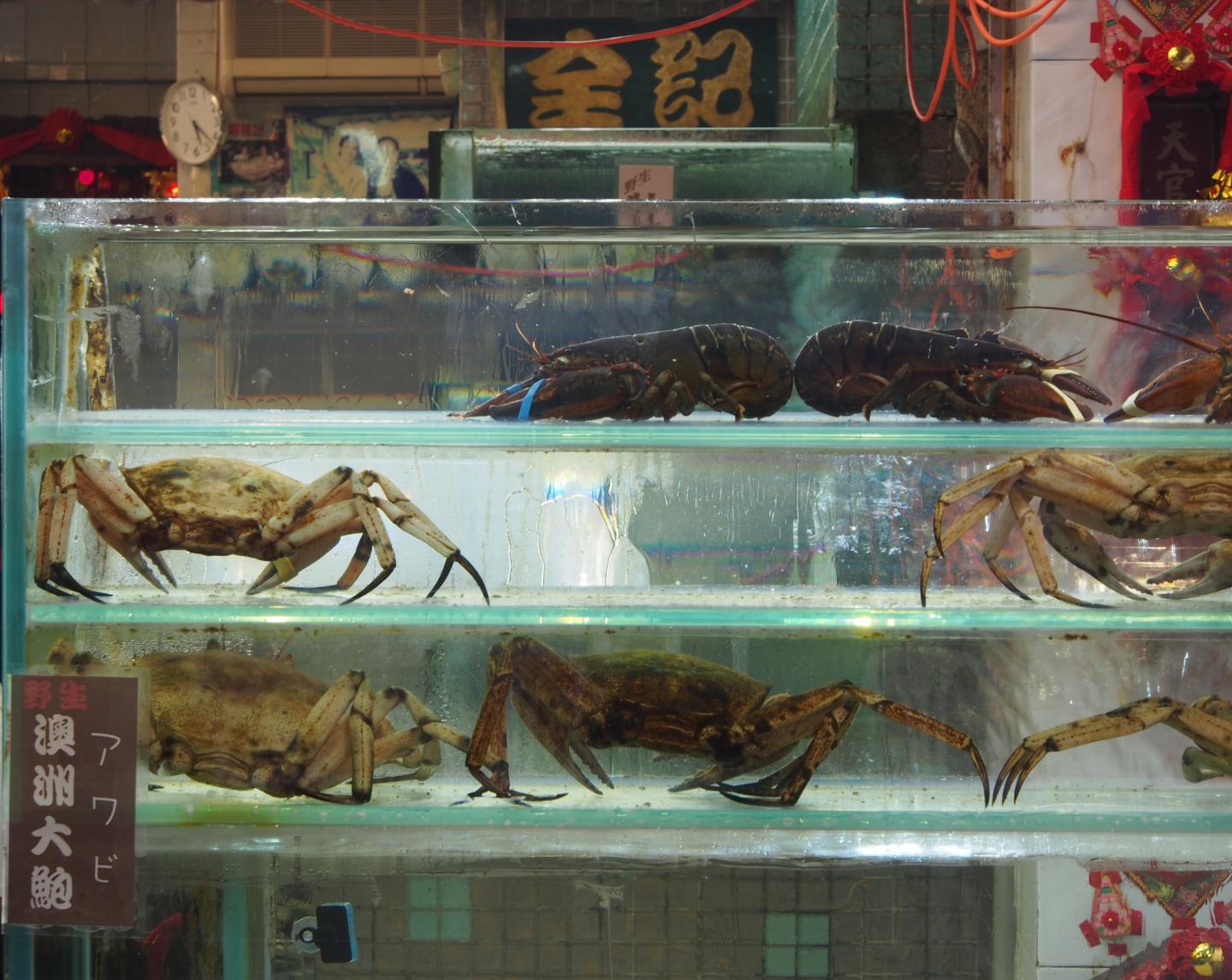
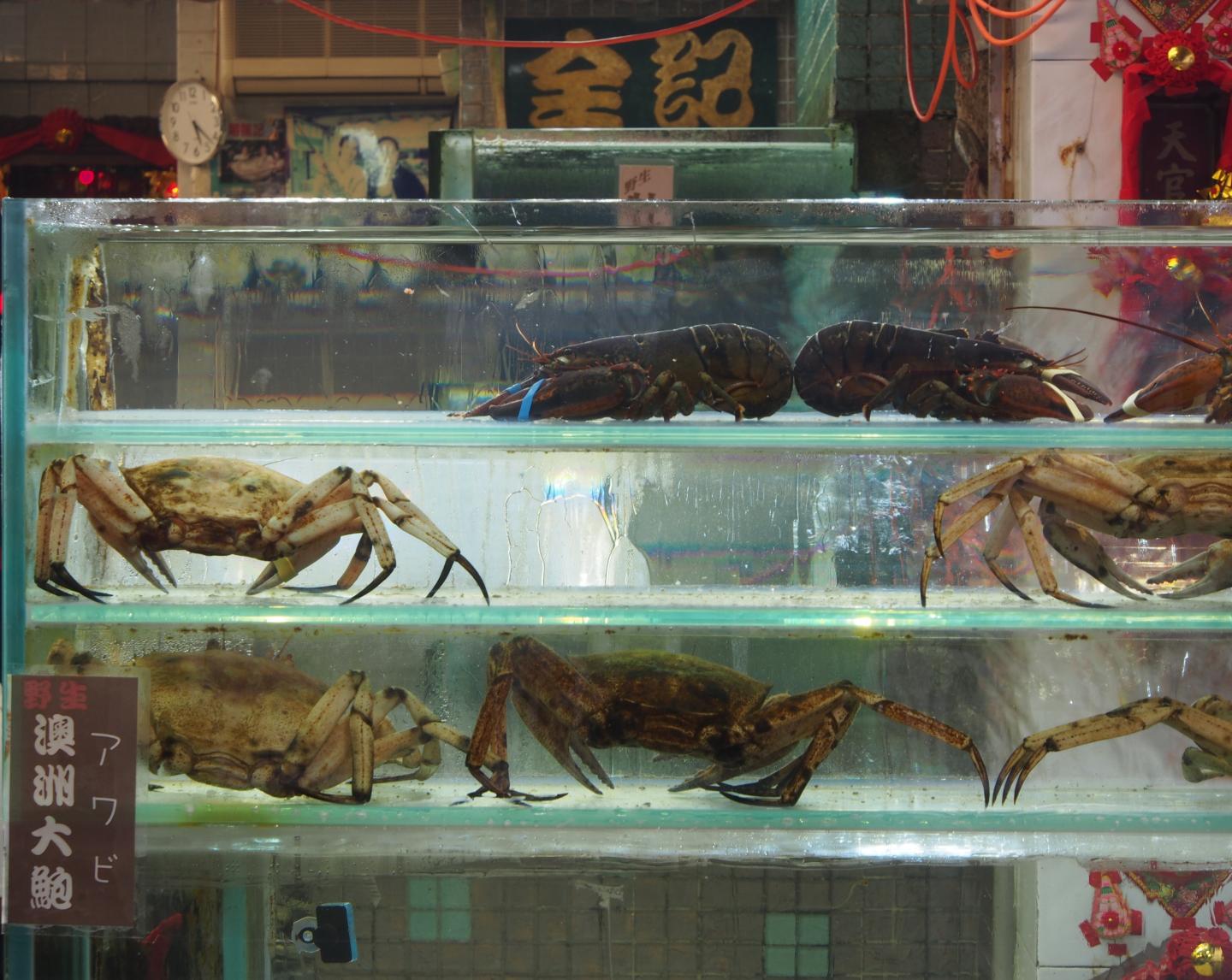
IMAGE

Credit: Photo courtesy of Josh Stoll

In a paper published in Frontiers in Marine Science, researchers, including lead author Joshua Stoll of the University of Maine School of Marine Sciences and the Mitchell Center for Sustainability Solutions, map the global trade routes for lobster and quantify the effect they have on obscuring the relation between those who catch the valuable crustacean and those who ultimately eat it.

The team's findings indicate that in today's hyper-connected world, a growing number of nations are acting as "middlemen" in the supply chain. This makes it increasingly difficult to trace where seafood goes and difficult to anticipate changes in market demand.

"Our research shows that the Asian market for lobster, China in particular, appears to be considerably larger than we previously thought," says Stoll.

"This means that if the region's appetite for it were to change — through a trade war, for example — it has the potential to trigger a larger-than-expected change in demand."

The world is witnessing unprecedented levels of global seafood trade as a result of increasingly pro-trade policies and advancements in technology and logistical capacity.

Such trade is often associated with increased wealth production, employment opportunities and food security, but growing reliance on international markets also can expose fishermen to distant disturbances that can negatively affect market prices and trigger social, economic and environmental crises at local levels.

Given that China recently announced lobster is on its list of retaliatory tariffs, this could wreak havoc on Maine's $1.5 billion-a-year lobster industry.

"We have more than 6,000 people in Maine who fish for lobster alone and they are engaged in the most valuable fishery in the United States," Stoll says. "Even small drops in demand can be problematic."

Trade conflict like the one currently brewing between the U.S. and nations around the globe has a long history of being disruptive.

In 2012, for example, a trade conflict with Canada arose in connection with an ocean-warming event in the Gulf of Maine. That summer, lobster molted early, which drove the price for lobster down precipitously — so much so The Boston Globe ran a story proclaiming the price of lobster was nearly as low as hot dogs.

"More attention to the complex trade routes among nations is needed to reduce the impacts that global trade has on coastal communities," Stoll says. "We don't want to find ourselves in hot water."

###

Media Contact

Joshua Stoll
[email protected]
509-637-5795

http://www.umaine.edu

Original Source

http://umaine.edu/news/blog/2018/07/11/secret-life-lobster-trade-hot-water/ http://dx.doi.org/10.3389/fmars.2018.00239


Share13Tweet8Share2ShareShareShare2

Related Posts

Florida Cane Toad: Complex Spread and Selective Evolution

Florida Cane Toad: Complex Spread and Selective Evolution

February 7, 2026
New Study Uncovers Mechanism Behind Burn Pit Particulate Matter–Induced Lung Inflammation

New Study Uncovers Mechanism Behind Burn Pit Particulate Matter–Induced Lung Inflammation

February 6, 2026

DeepBlastoid: Advancing Automated and Efficient Evaluation of Human Blastoids with Deep Learning

February 6, 2026

Navigating the Gut: The Role of Formic Acid in the Microbiome

February 6, 2026
Please login to join discussion

POPULAR NEWS

  • Robotic Ureteral Reconstruction: A Novel Approach

    Robotic Ureteral Reconstruction: A Novel Approach

    82 shares
    Share 33 Tweet 21
  • Digital Privacy: Health Data Control in Incarceration

    63 shares
    Share 25 Tweet 16
  • Study Reveals Lipid Accumulation in ME/CFS Cells

    57 shares
    Share 23 Tweet 14
  • Breakthrough in RNA Research Accelerates Medical Innovations Timeline

    53 shares
    Share 21 Tweet 13

About

We bring you the latest biotechnology news from best research centers and universities around the world. Check our website.

Follow us

Recent News

Decoding Prostate Cancer Origins via snFLARE-seq, mxFRIZNGRND

Digital Health Perspectives from Baltic Sea Experts

Florida Cane Toad: Complex Spread and Selective Evolution

Subscribe to Blog via Email

Enter your email address to subscribe to this blog and receive notifications of new posts by email.

Join 73 other subscribers
  • Contact Us

Bioengineer.org © Copyright 2023 All Rights Reserved.

Welcome Back!

Login to your account below

Forgotten Password?

Retrieve your password

Please enter your username or email address to reset your password.

Log In
No Result
View All Result
  • Homepages
    • Home Page 1
    • Home Page 2
  • News
  • National
  • Business
  • Health
  • Lifestyle
  • Science

Bioengineer.org © Copyright 2023 All Rights Reserved.