• HOME
  • NEWS
  • EXPLORE
    • CAREER
      • Companies
      • Jobs
    • EVENTS
    • iGEM
      • News
      • Team
    • PHOTOS
    • VIDEO
    • WIKI
  • BLOG
  • COMMUNITY
    • FACEBOOK
    • INSTAGRAM
    • TWITTER
Wednesday, December 10, 2025
BIOENGINEER.ORG
No Result
View All Result
  • Login
  • HOME
  • NEWS
  • EXPLORE
    • CAREER
      • Companies
      • Jobs
        • Lecturer
        • PhD Studentship
        • Postdoc
        • Research Assistant
    • EVENTS
    • iGEM
      • News
      • Team
    • PHOTOS
    • VIDEO
    • WIKI
  • BLOG
  • COMMUNITY
    • FACEBOOK
    • INSTAGRAM
    • TWITTER
  • HOME
  • NEWS
  • EXPLORE
    • CAREER
      • Companies
      • Jobs
        • Lecturer
        • PhD Studentship
        • Postdoc
        • Research Assistant
    • EVENTS
    • iGEM
      • News
      • Team
    • PHOTOS
    • VIDEO
    • WIKI
  • BLOG
  • COMMUNITY
    • FACEBOOK
    • INSTAGRAM
    • TWITTER
No Result
View All Result
Bioengineer.org
No Result
View All Result
Home NEWS Science News Biology

Insectivorous birds consume annually as much energy as the city of New York

Bioengineer by Bioengineer
July 9, 2018
in Biology
Reading Time: 2 mins read
0
Share on FacebookShare on TwitterShare on LinkedinShare on RedditShare on Telegram
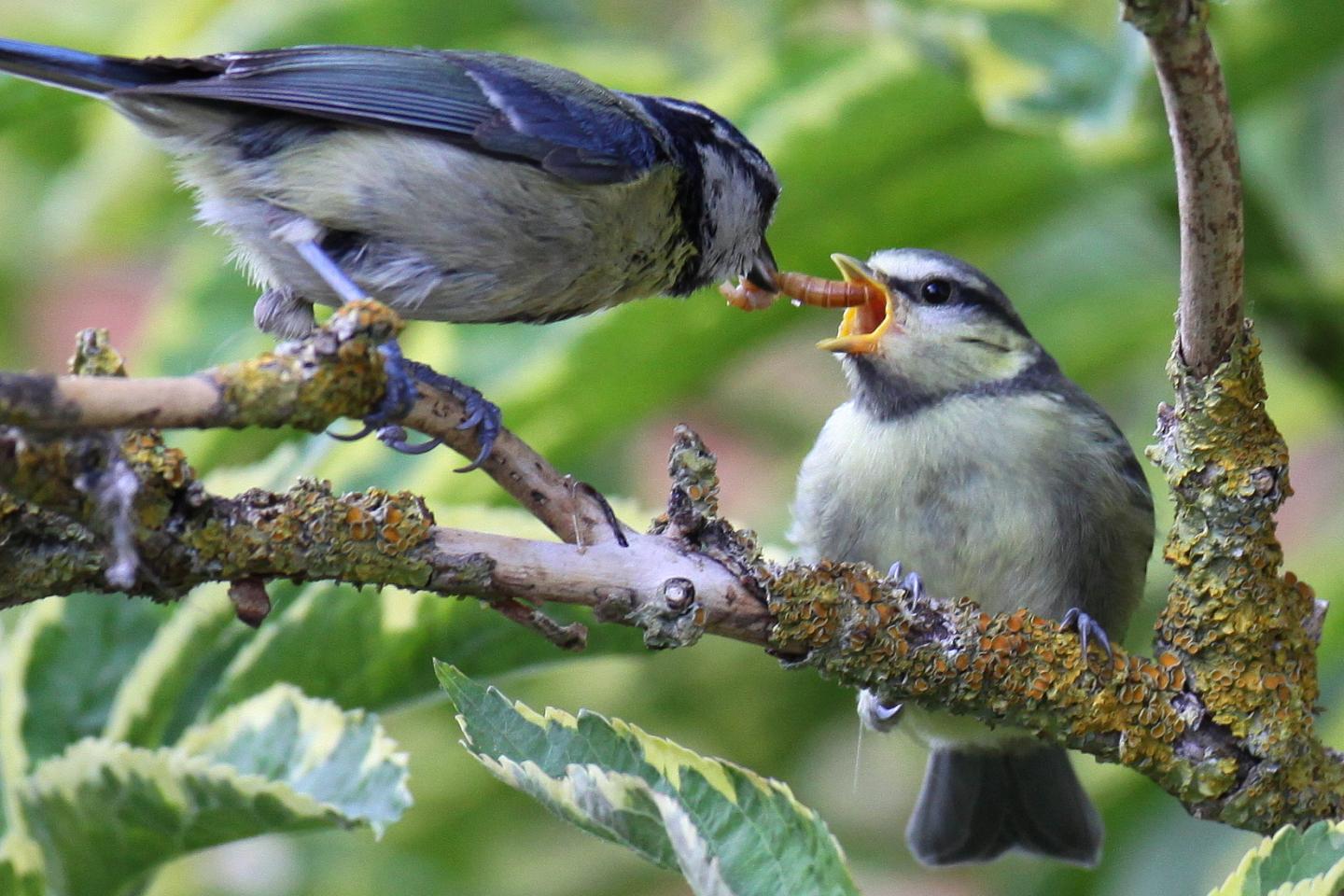
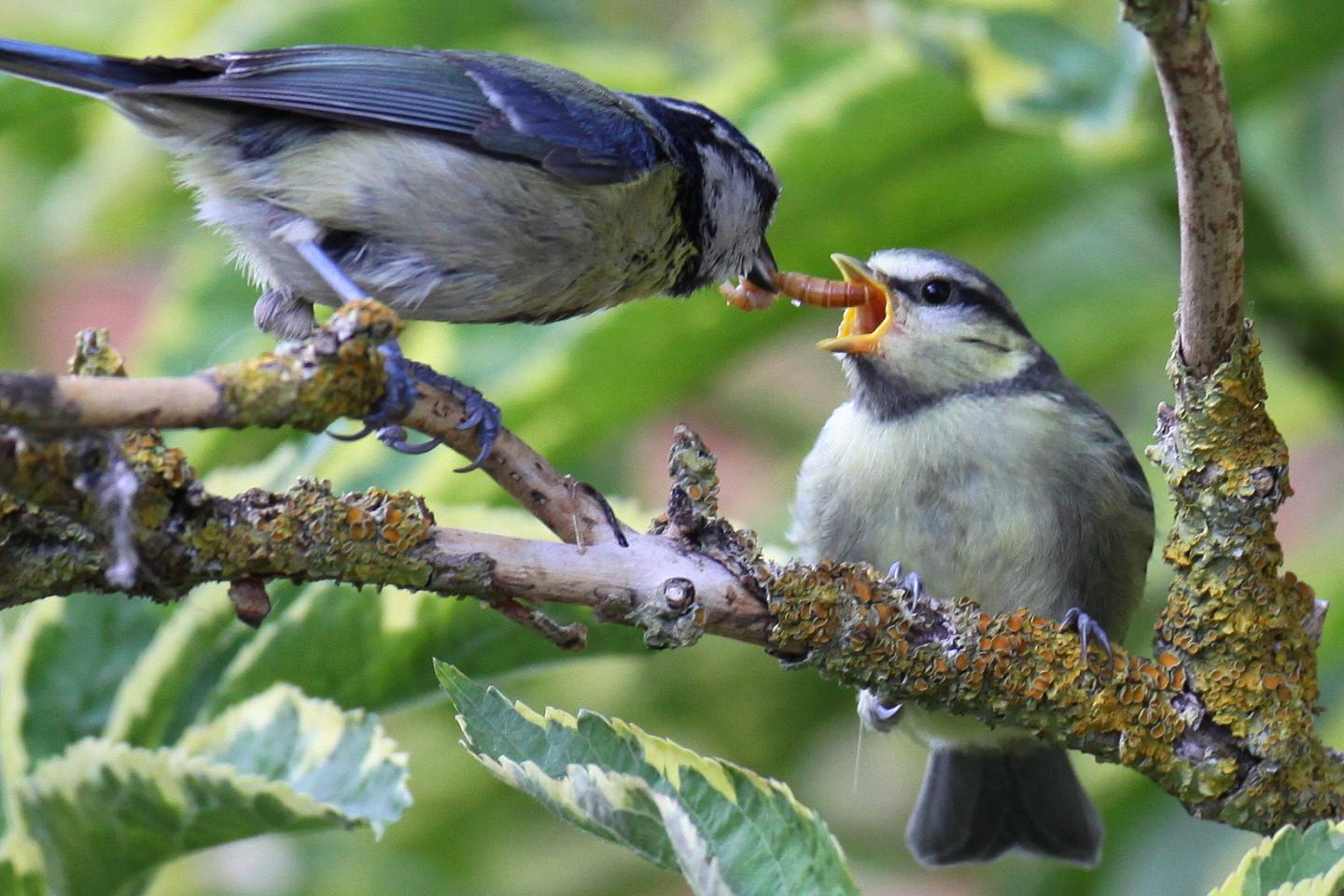
IMAGE

Credit: Photo © Maurice Baker

The world's insectivorous birds consume annually 400 to 500 million tons of prey and thereby use as much energy as the megacity New York. This is demonstrated by zoologists in the journal The Science of Nature. Especially in forested areas, insectivorous birds play a significant role in the suppression of pest insects.

Insectivorous birds, represented by more than 6,000 species, are found across the world in all major land ecosystems. The fact that they are extremely useful as natural enemies of herbivorous insects had been known for some time. Zoologists at the University of Basel, the University of Utah (Salt Lake City), the University of Illinois (Chicago), and Koç University (Istanbul) have now used calculations to highlight their global ecological importance.

Comparable to human consumption of meat and fish

Based on these estimates, the world's insectivorous birds have a total weight of around 3 million tons. Every year they eat 400 to 500 million tons of insects and other arthropods such as millipedes and spiders. Thus, the world's insectivorous birds annually consume about the same amount of energy as a megacity the size of New York, which has a value of about 2.8 exajoules.

The amount of food consumed by insectivorous birds is similar to that of the human world population, which according to the Food and Agriculture Organization of the United Nations (FAO) consumes about 400 million tons of meat and fish per year. Furthermore, according to previous estimates, the global spider community is known to consume between 400 and 800 million tons annually.

Importance of forest birds

Forest birds eat about 300 million tons which is roughly three quarters of the world's prey biomass gathered by the insectivorous birds. On the other hand, much less insects are consumed in the remaining ecosystems such as grasslands, savannas, cropland, deserts and arctic tundra. Especially during the breeding period, when the birds feed protein-rich prey to their nestlings, billions of herbivorous insects are captured including potentially damaging caterpillars and beetles. "In doing so, birds – in concert with other natural enemies such as spiders and ants – contribute to natural insect pest suppression resulting in reduced herbivore damage," states PD Dr Martin Nyffeler, who led the study at the University of Basel.

###

Media Contact

Dr. Martin Nyffeler
[email protected]
41-617-020-703
@UniBasel_en

http://www.unibas.ch/

Related Journal Article

http://dx.doi.org/10.1007/s00114-018-1571-z

Share12Tweet8Share2ShareShareShare2

Related Posts

Global Spread of Plasmid-Driven Carbapenem Resistance

Global Spread of Plasmid-Driven Carbapenem Resistance

December 8, 2025
Low-Dose Irradiation Boosts Antioxidants in Produce

Low-Dose Irradiation Boosts Antioxidants in Produce

December 8, 2025

Rice miRNA: Key Regulator in Fungal Interactions

December 3, 2025

Human Impact Alters Leopard and Ungulate Dynamics

December 3, 2025
Please login to join discussion

POPULAR NEWS

  • New Research Unveils the Pathway for CEOs to Achieve Social Media Stardom

    New Research Unveils the Pathway for CEOs to Achieve Social Media Stardom

    204 shares
    Share 82 Tweet 51
  • Scientists Uncover Chameleon’s Telephone-Cord-Like Optic Nerves, A Feature Missed by Aristotle and Newton

    121 shares
    Share 48 Tweet 30
  • Neurological Impacts of COVID and MIS-C in Children

    108 shares
    Share 43 Tweet 27
  • Nurses’ Views on Online Learning: Effects on Performance

    69 shares
    Share 28 Tweet 17

About

We bring you the latest biotechnology news from best research centers and universities around the world. Check our website.

Follow us

Recent News

HBV and HDV Genotypes Link to Liver Disease Risk

Natural Oils and Nano-Emulsions: Herbicide Alternatives for Weeds

Stable Biopolymer Hydrogels for Controlled Metal Nanostructure Release

Subscribe to Blog via Email

Success! An email was just sent to confirm your subscription. Please find the email now and click 'Confirm' to start subscribing.

Join 69 other subscribers
  • Contact Us

Bioengineer.org © Copyright 2023 All Rights Reserved.

Welcome Back!

Login to your account below

Forgotten Password?

Retrieve your password

Please enter your username or email address to reset your password.

Log In
No Result
View All Result
  • Homepages
    • Home Page 1
    • Home Page 2
  • News
  • National
  • Business
  • Health
  • Lifestyle
  • Science

Bioengineer.org © Copyright 2023 All Rights Reserved.