• HOME
  • NEWS
  • EXPLORE
    • CAREER
      • Companies
      • Jobs
    • EVENTS
    • iGEM
      • News
      • Team
    • PHOTOS
    • VIDEO
    • WIKI
  • BLOG
  • COMMUNITY
    • FACEBOOK
    • INSTAGRAM
    • TWITTER
Saturday, February 7, 2026
BIOENGINEER.ORG
No Result
View All Result
  • Login
  • HOME
  • NEWS
  • EXPLORE
    • CAREER
      • Companies
      • Jobs
        • Lecturer
        • PhD Studentship
        • Postdoc
        • Research Assistant
    • EVENTS
    • iGEM
      • News
      • Team
    • PHOTOS
    • VIDEO
    • WIKI
  • BLOG
  • COMMUNITY
    • FACEBOOK
    • INSTAGRAM
    • TWITTER
  • HOME
  • NEWS
  • EXPLORE
    • CAREER
      • Companies
      • Jobs
        • Lecturer
        • PhD Studentship
        • Postdoc
        • Research Assistant
    • EVENTS
    • iGEM
      • News
      • Team
    • PHOTOS
    • VIDEO
    • WIKI
  • BLOG
  • COMMUNITY
    • FACEBOOK
    • INSTAGRAM
    • TWITTER
No Result
View All Result
Bioengineer.org
No Result
View All Result
Home NEWS Science News Biology

Who is to blame for marine litter?

Bioengineer by Bioengineer
June 15, 2018
in Biology
Reading Time: 2 mins read
0
Share on FacebookShare on TwitterShare on LinkedinShare on RedditShare on Telegram
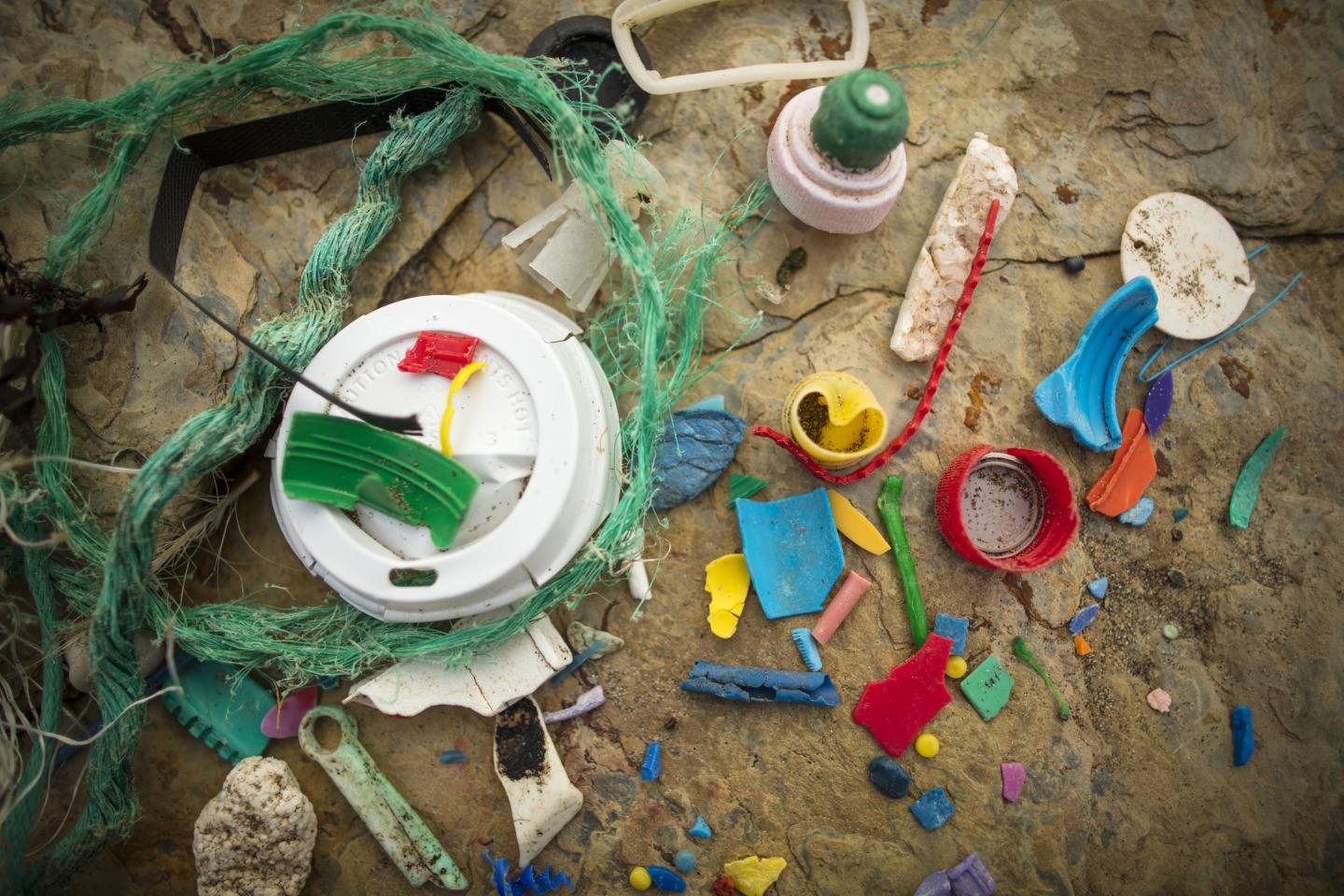
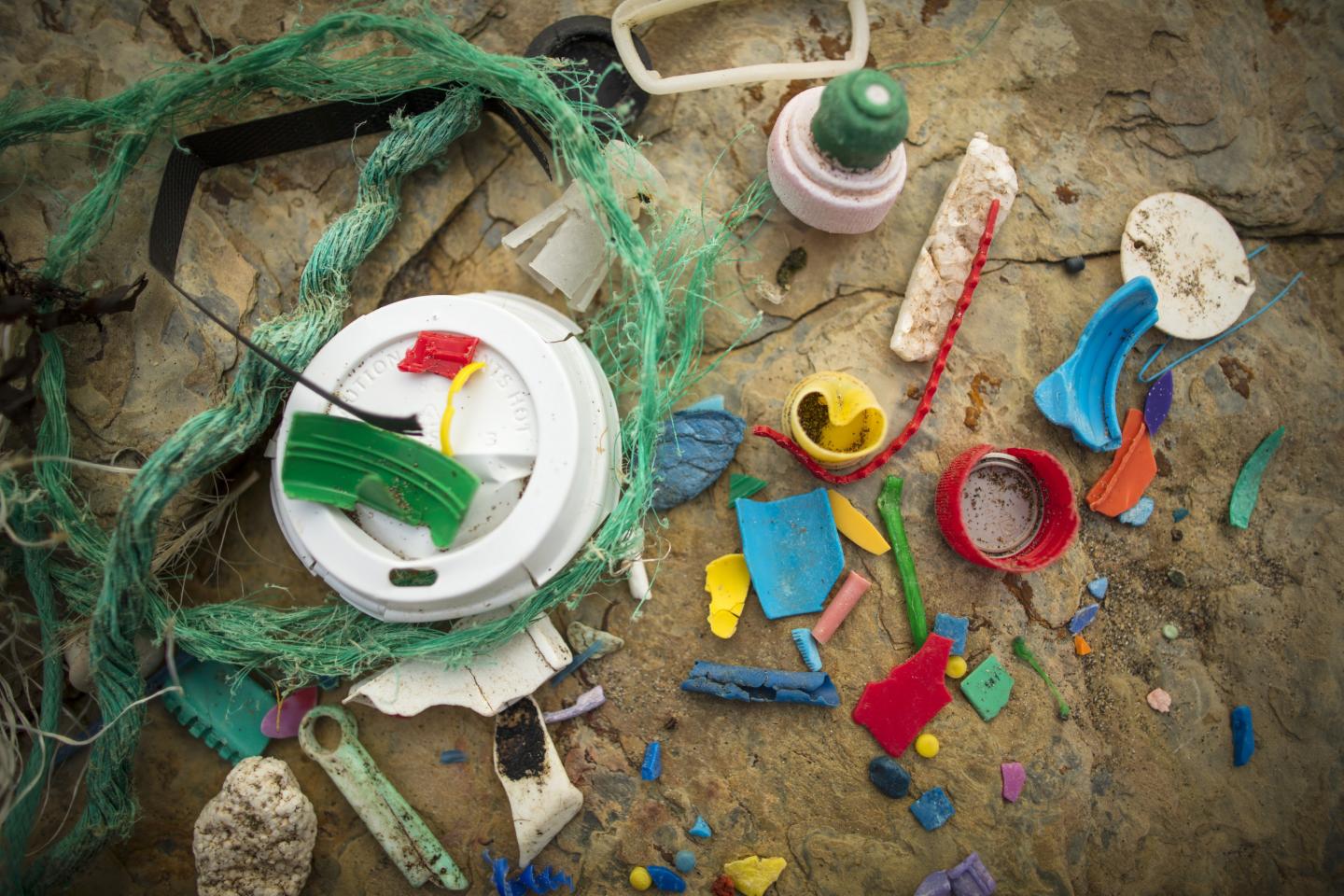
IMAGE

Credit: University of Plymouth

Members of the public are more likely to blame the global marine litter crisis on retailers, industry and government, according to new research led by the University of Plymouth.

However, they have less faith in those agencies' motivation and competence to address the problem, placing greater trust in scientists and environmental groups to develop effective and lasting solutions.

The results were among the findings of a Europe-wide study which asked more than 1,100 members of the general public about their attitudes to marine litter.

It showed more than 95 per cent of people reported having seen litter when they visited the coast, and such experiences were associated with higher concern and a willingness to adapt personal behaviour to address the problem.

There was also growing appreciation and concern about the threat litter poses to wildlife within the marine environment, vastly outweighing other fears such as the impact on tourism and the fishing and shipping industries.

Direct releases into the sea and at the coast were perceived to be more likely routes for waste to enter the marine environment than overflows from water treatment or landfill sites.

And when asked about the key factors contributing to the problem, people attributed it predominantly to the use of plastic in products and packaging, human behaviour when disposing of litter, and the single use nature of plastics.

The research, published in Marine Pollution Bulletin, is the first European public survey to focus solely on marine litter and people's attitudes towards it.

Dr Sabine Pahl, Associate Professor (Reader) in the University of Plymouth's School of Psychology, is the study's corresponding author. She said: "Marine litter is an issue without borders. But human behaviour in its many forms is the sole source of the problem, and changing perceptions and behaviour is key to preventing litter from continuing to escape into the natural environment. This research gives us useful insights so that we can attempt to motivate action on land that makes a positive change to our coastlines and oceans now and in the future."

Professor Richard Thompson OBE, Head of the University's International Marine Litter Research Unit, also contributed to the research. He added: "At a time when there is a broad commitment to address this global crisis, this research presents an interesting conundrum. It is encouraging to see there is growing public awareness of the marine litter problem, but there are clearly challenges to be overcome in convincing people that we all need to be part of the solution. There needs to be an holistic approach which includes governments and industry, scientists and the public, and this research is a useful step in finding ways to communicate that more widely."

###

Media Contact

Alan Williams
[email protected]
0044-175-258-8004
@PlymUni

http://www.plymouth.ac.uk

Original Source

https://www.plymouth.ac.uk/news/who-is-to-blame-for-marine-litter

Share13Tweet8Share2ShareShareShare2

Related Posts

Florida Cane Toad: Complex Spread and Selective Evolution

Florida Cane Toad: Complex Spread and Selective Evolution

February 7, 2026
New Study Uncovers Mechanism Behind Burn Pit Particulate Matter–Induced Lung Inflammation

New Study Uncovers Mechanism Behind Burn Pit Particulate Matter–Induced Lung Inflammation

February 6, 2026

DeepBlastoid: Advancing Automated and Efficient Evaluation of Human Blastoids with Deep Learning

February 6, 2026

Navigating the Gut: The Role of Formic Acid in the Microbiome

February 6, 2026
Please login to join discussion

POPULAR NEWS

  • Robotic Ureteral Reconstruction: A Novel Approach

    Robotic Ureteral Reconstruction: A Novel Approach

    82 shares
    Share 33 Tweet 21
  • Digital Privacy: Health Data Control in Incarceration

    63 shares
    Share 25 Tweet 16
  • Study Reveals Lipid Accumulation in ME/CFS Cells

    57 shares
    Share 23 Tweet 14
  • Breakthrough in RNA Research Accelerates Medical Innovations Timeline

    53 shares
    Share 21 Tweet 13

About

We bring you the latest biotechnology news from best research centers and universities around the world. Check our website.

Follow us

Recent News

Evaluating Pediatric Emergency Care Quality in Ethiopia

TPMT Expression Predictions Linked to Azathioprine Side Effects

Improving Dementia Care with Enhanced Activity Kits

Subscribe to Blog via Email

Success! An email was just sent to confirm your subscription. Please find the email now and click 'Confirm' to start subscribing.

Join 73 other subscribers
  • Contact Us

Bioengineer.org © Copyright 2023 All Rights Reserved.

Welcome Back!

Login to your account below

Forgotten Password?

Retrieve your password

Please enter your username or email address to reset your password.

Log In
No Result
View All Result
  • Homepages
    • Home Page 1
    • Home Page 2
  • News
  • National
  • Business
  • Health
  • Lifestyle
  • Science

Bioengineer.org © Copyright 2023 All Rights Reserved.