Credit: DELISH
Philadelphia, June 7, 2018 – Consuming excessive salt during childhood is associated with cardiovascular health risk factors, yet the effectiveness of education- and behavior-based strategies to lower salt usage among children has not been fully researched. A new study published in the Journal of Nutrition Education and Behavior found that a web-based salt education program improved salt-related knowledge, self-efficacy, and behaviors among children ages 7-10 years.
"Eating salty foods during early life increases taste preference for foods rich in salt that may lead to greater lifetime intake of salt," said lead author Dr. Carley Grimes from the Institute for Physical Activity and Nutrition at Deakin University, Australia. "Product reformulation of lower-sodium foods is an integral component of population-wide salt reduction efforts, but behavior-based strategies such as reading food labels to select lower-salt foods can be taught to children."
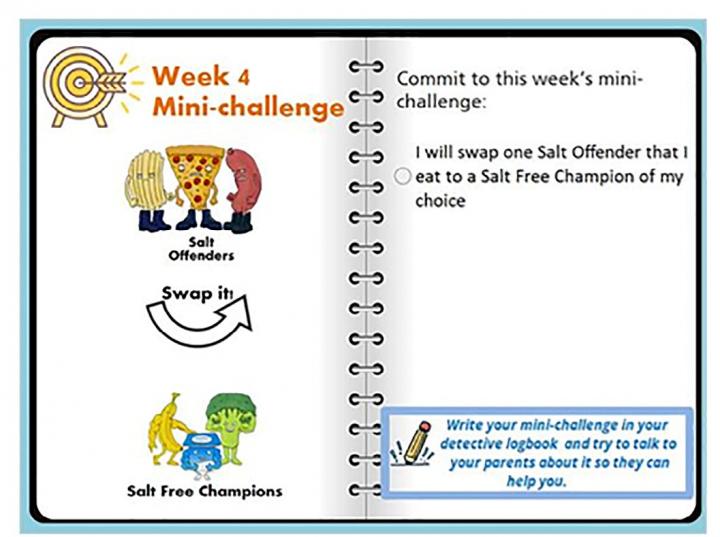
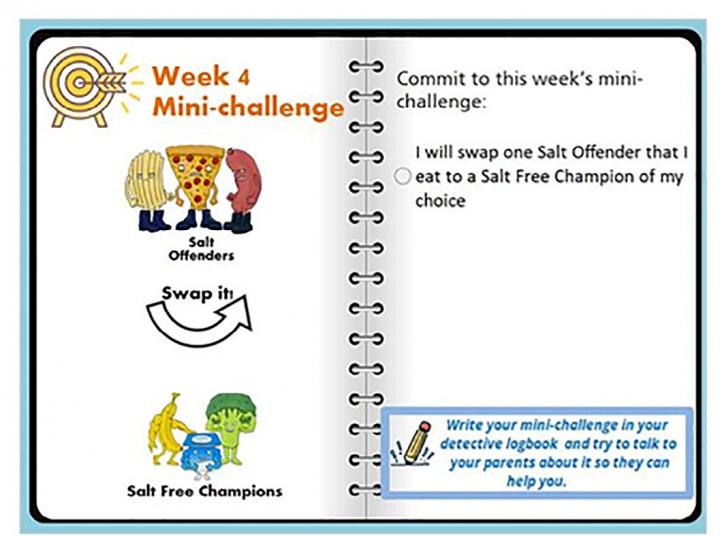
More than 100 children were recruited from six primary schools of varying socioeconomic levels located in Victoria, Australia. Prior to the start of the study, participants completed a survey on salt-related knowledge, attitudes, and behaviors. Additionally, they were instructed on how to collect their urine for a period of 24 hours. Students then took part in a five-week intervention that included web-based interactive education sessions that they completed at home. The 20-minute lessons presented three key messages: stop using the salt shaker, switch to low-salt foods by checking food labels, and swap processed salty-foods for healthier low-salt alternatives. The detective-themed stories included animated comics, interactive activities, and video content. Support material included a printed detective logbook and parental resources. Upon completing the lessons, students took an online survey related to dietary salt and completed a second 24-hour urine collection.
After participation there was significant improvement in children's overall knowledge, behavior, and self-efficacy scores and no change in attitude score that measured the importance of using salt to make food tasty. There was a 19 percent reduction in the proportion of children who reported that a salt shaker was placed on the table. When a salt shaker was not present, salt usage by children was reduced 25 percent compared to 70 percent who reported adding salt when a salt shaker was on the table. Improvement was also shown in children's self-reported belief that they could change their behaviors to eat less salt.
Despite the improvements in salt-related behaviors, no change was observed in salt intake as measured by urine collection. This may be due to the small sample size of children completing this portion of the study and the short duration of the intervention (five weeks), which may not have been enough time for significant change in grocery purchasing habits.
"Feeling empowered to make nutrition-related decisions is particularly important in shaping children's behaviors," said Dr. Grimes. "It was encouraging that children could be motivated through interactive web-based activities."
###
Media Contact
Eileen Leahy
[email protected]
732-238-3628
@elseviernews
http://www.elsevier.com
Related Journal Article
http://dx.doi.org/10.1016/j.jneb.2018.04.002