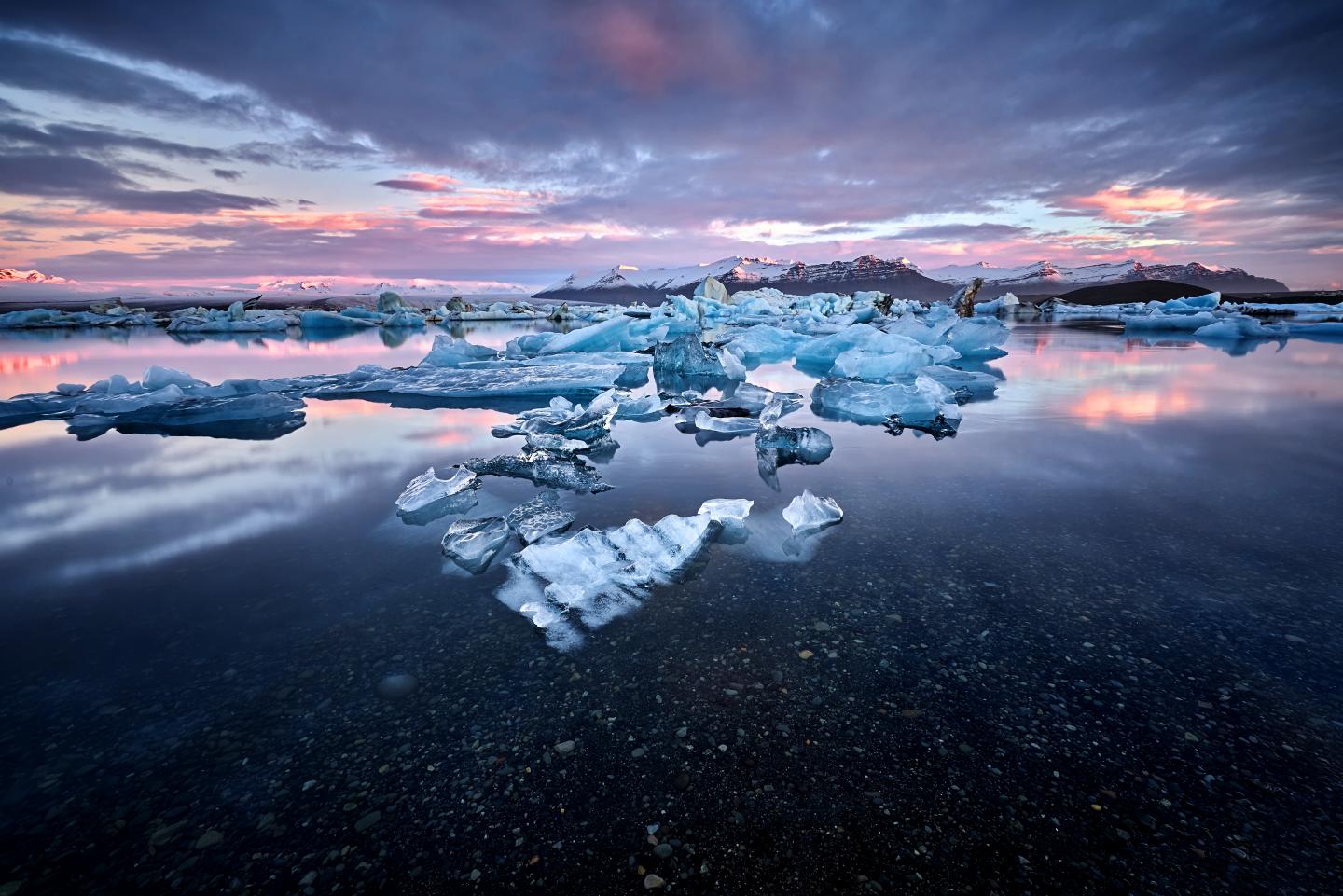
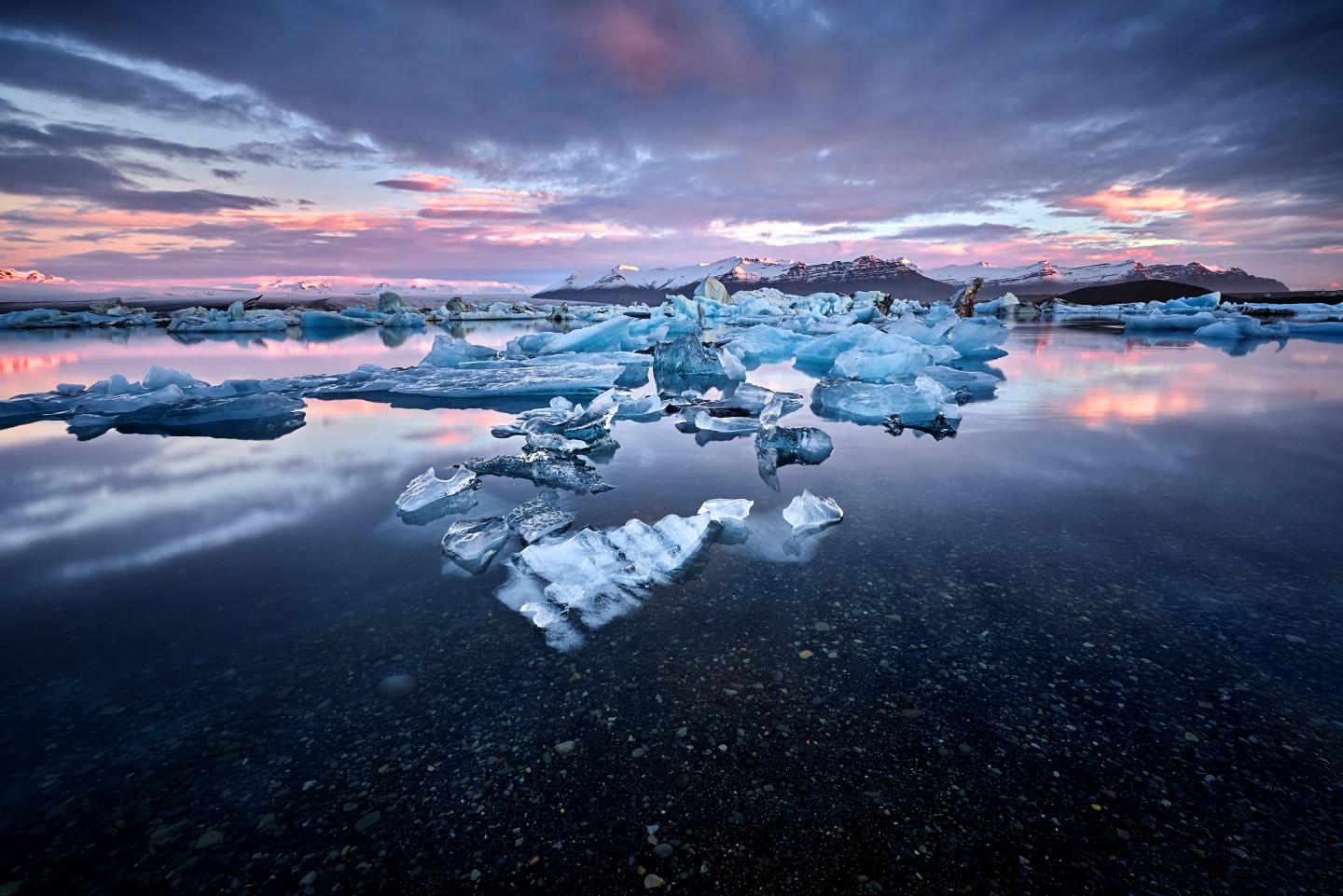
Credit: Jan Miko
Helsinki, Finland — The University of Helsinki hosts a groundbreaking dialogue meeting Wednesday-Thursday June 6-7 bringing together indigenous representatives and decision makers from the Arctic region – including the Arctic Council – with leading scientists and experts from around the world.
The dialogue, followed by a public seminar on June 8, will strengthen the representation of Arctic indigenous expertise and knowledge in a landmark global assessment of biodiversity and ecosystem services expected to be released in May 2019 by the 130 member States of the Intergovernmental Platform on Biodiversity and Ecosystem Services (IPBES).
Speaking about the importance of the consultation, the newly-appointed Rector of the University of Helsinki, Jari Niemelä said: "Many modern societies are built on the lands of indigenous and local peoples. Their languages and cultures have suffered severely under assimilation policies. We are now entering a new era where consultations with indigenous and local people are becoming the norm. Their voices cannot and should not be ignored."
Aleksi Härkönen, Finland's Ambassador for Arctic Affairs and Chair of the Senior Arctic Officials said: "The Arctic Indigenous Peoples participate in all activities of the Arctic Council, along with the Arctic States. The Arctic region is their home, which is now undergoing great changes. The views of the Indigenous Peoples must be taken into account when planning for the future of the Arctic region."
The IPBES global assessment will be the first comprehensive snapshot of the state of knowledge about biodiversity and nature's contributions to people since the 2005 Millennium Ecosystem Assessment. The result of three years of work, by more than 150 leading experts from around the world, it will provide the best-available evidence to help decision makers choose better policies and actions for people and the planet.
Highlighting the importance of drawing on diverse knowledge systems and world views to better conserve biodiversity and achieve sustainability, Professor Eduardo Brondizio, co-chair of the IPBES global assessment said: "We are privileged to be meeting for three days with indigenous leaders and representatives of the Arctic Council to directly discuss the draft of the global assessment report.
"Deliberating on these issues face-to-face with indigenous representatives from different regions has been a critical part of the process, but as the fastest-changing environment on Earth it is essential for us to ensure that the experiences, concerns and options emerging from the indigenous communities of the larger Arctic region are also well-represented. We have been systematically evaluating evidence related to the pressures on indigenous peoples and local communities, but also to their knowledge and practices and their contributions to the conservation and management of nature, which is so relevant to all of us, but which has been too often disregarded."
Explaining the timing of the dialogue, the IPBES Executive Secretary, Dr. Anne Larigauderie said: "The draft of the global assessment report is now open for review by Governments and all interested experts around the world. One of the fundamental strengths of the IPBES process is our conceptual framework, which makes it very clear that all our expert assessments must include the perspectives and experiences of the widest-possible range of knowledge systems. For thousands of years, the peoples of the Arctic have thrived amid some of the harshest conditions on the planet – in absolute harmony with nature. Indigenous and local knowledge is often a powerful bridge between biological and cultural diversity."
###
The external review of the IPBES global assessment can be accessed at: https://goo.gl/3XhRrz
The program of the public seminar at 'Think Corner' can be found at https://goo.gl/esrVCZ
For enquiries and interviews please contact:
The IPBES Media Team
http://www.ipbes.net
About IPBES:
Often described as the "IPCC for biodiversity" IPBES is an independent intergovernmental body comprising 129 member Governments. Established by Governments in 2012, it provides policymakers with objective scientific assessments about the state of knowledge regarding the planet's biodiversity, ecosystems and the contributions they make to people, as well as the tools and methods to protect and sustainably use these vital natural assets. For more information about IPBES and its assessments visit http://www.ipbes.net
Follow us:
Twitter: @IPBES
http://www.facebook.com/ipbes
http://www.youtube.com/ipbeschannel
http://www.linkedin.com/company/ipbes
http://www.instagram.com/ipbes
Media Contact
Robert Spaull
[email protected]
57-310-626-6641
@terrycollinsTC
http://www.tca.tc