• HOME
  • NEWS
  • EXPLORE
    • CAREER
      • Companies
      • Jobs
    • EVENTS
    • iGEM
      • News
      • Team
    • PHOTOS
    • VIDEO
    • WIKI
  • BLOG
  • COMMUNITY
    • FACEBOOK
    • INSTAGRAM
    • TWITTER
Saturday, February 7, 2026
BIOENGINEER.ORG
No Result
View All Result
  • Login
  • HOME
  • NEWS
  • EXPLORE
    • CAREER
      • Companies
      • Jobs
        • Lecturer
        • PhD Studentship
        • Postdoc
        • Research Assistant
    • EVENTS
    • iGEM
      • News
      • Team
    • PHOTOS
    • VIDEO
    • WIKI
  • BLOG
  • COMMUNITY
    • FACEBOOK
    • INSTAGRAM
    • TWITTER
  • HOME
  • NEWS
  • EXPLORE
    • CAREER
      • Companies
      • Jobs
        • Lecturer
        • PhD Studentship
        • Postdoc
        • Research Assistant
    • EVENTS
    • iGEM
      • News
      • Team
    • PHOTOS
    • VIDEO
    • WIKI
  • BLOG
  • COMMUNITY
    • FACEBOOK
    • INSTAGRAM
    • TWITTER
No Result
View All Result
Bioengineer.org
No Result
View All Result
Home NEWS Science News Biology

Thousands of turtles netted off South America

Bioengineer by Bioengineer
June 5, 2018
in Biology
Reading Time: 2 mins read
0
Share on FacebookShare on TwitterShare on LinkedinShare on RedditShare on Telegram
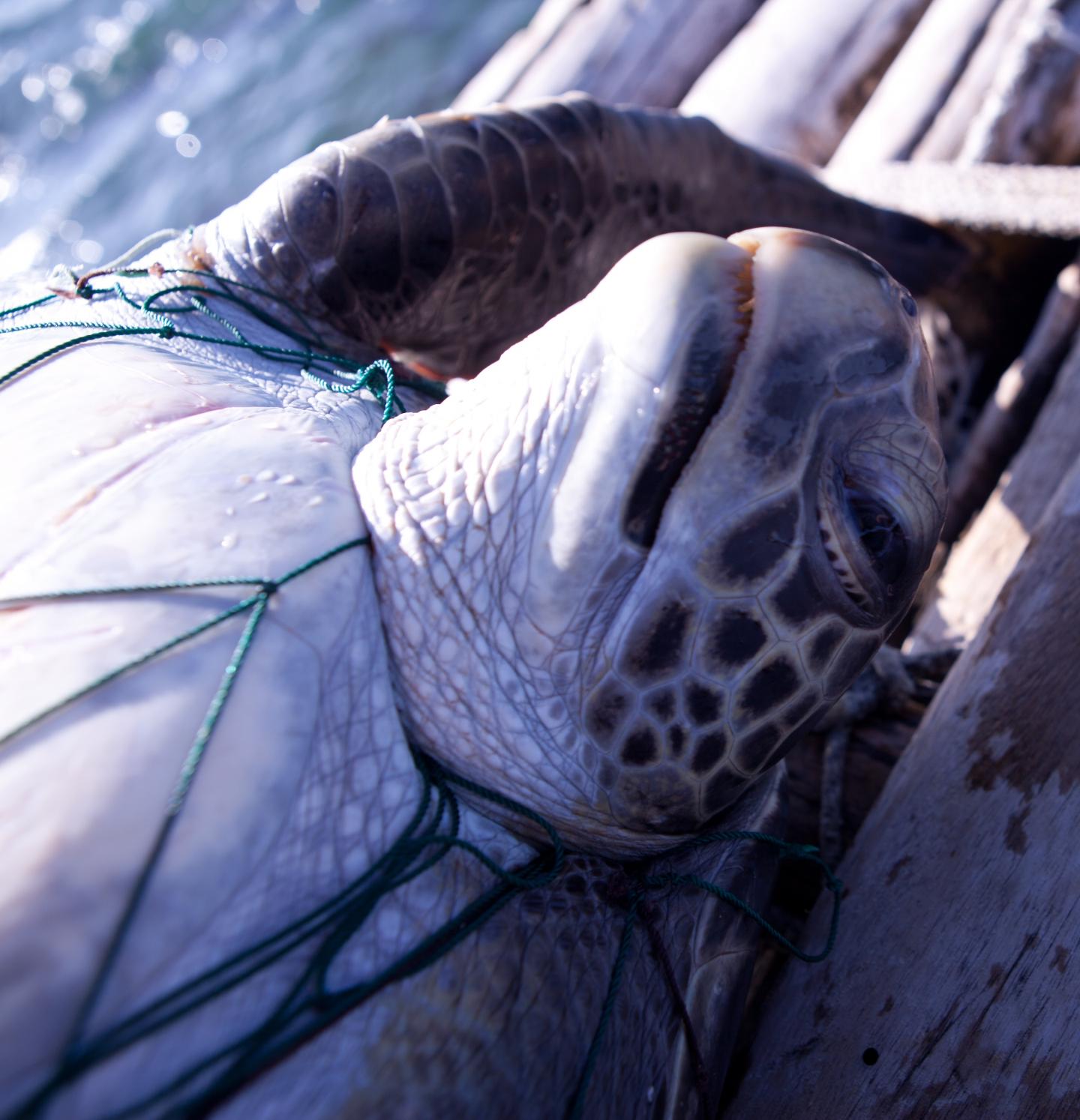
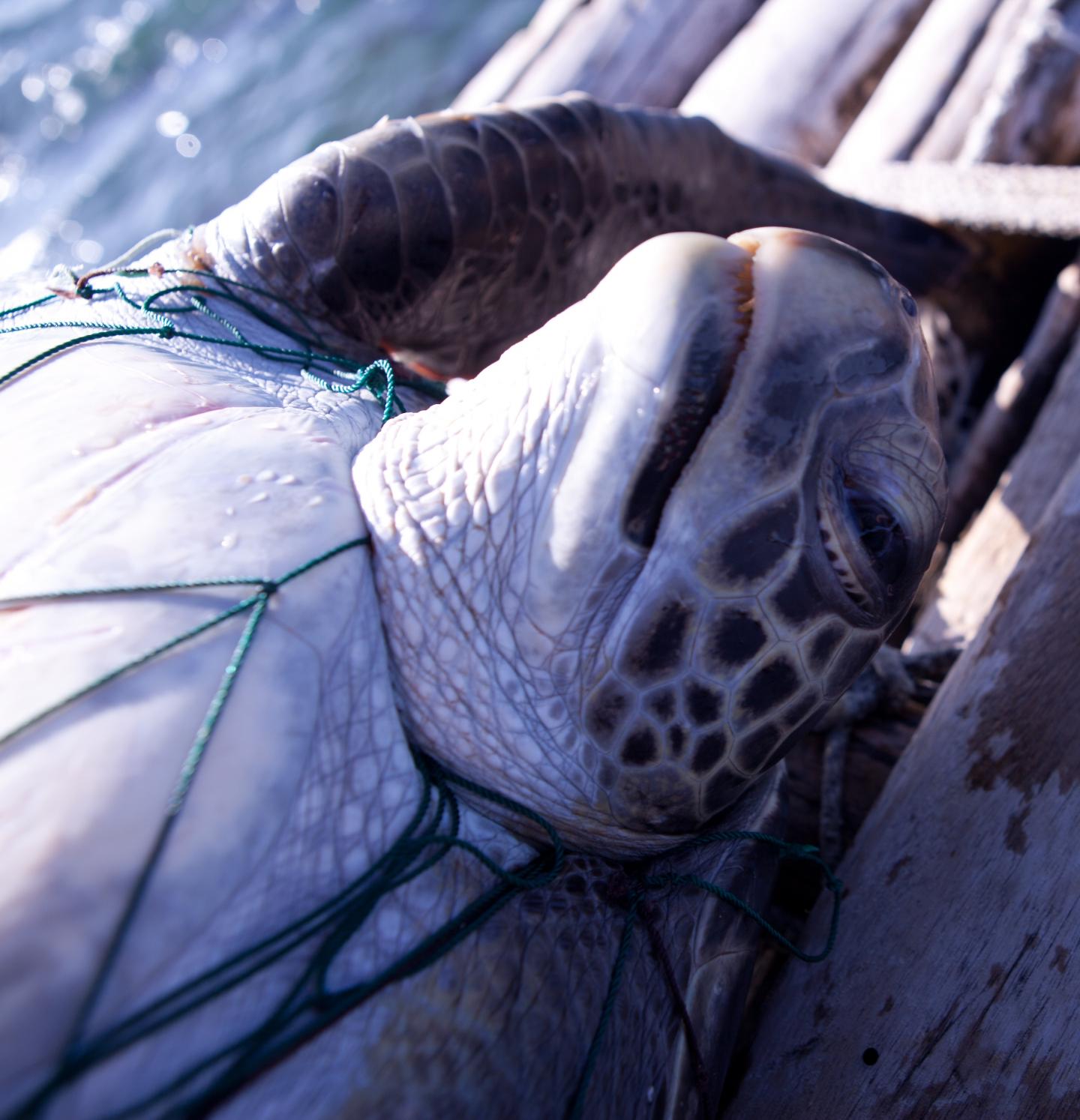
IMAGE

Credit: ProDelphinus

Tens of thousands of sea turtles are caught each year by small-scale fishers off South America's Pacific coast, new research shows.

Surveys at 43 harbours in Ecuador, Peru and Chile reveal that gillnet fisheries catch more than 46,000 sea turtles per year, with more than 16,000 killed in the process.

And the true numbers are likely to be higher, as not all ports in each country were surveyed.

Such accidental catching – known as bycatch – is a major threat to species including sea turtles, and the researchers say their findings highlight Ecuador and Peru as key places to tackle this.

"People worry about industrial fisheries but a real concern that people are waking up to is small-scale fisheries," said Professor Brendan Godley, of the Centre for Ecology and Conservation on the University of Exeter's Penryn Campus in Cornwall.

"These are small vessels but they exist in such huge numbers that they can have a massive impact on ecosystems."

Turtles living in the study area include leatherbacks (critically endangered in the east Pacific) and hawksbills (critically endangered worldwide).

Dr Joanna Alfaro, who obtained her PhD at Exeter and is now director of ProDelphinus, a conservation organisation in Peru, said: "This work highlights the importance and the benefits of our approach of engaging with fishers.

"We are actively working with fishers in this region to develop and implement solutions to bycatch – not just to improve the situation for turtles but for the health of fisheries and fish stocks.

"Our goal is to develop fisheries that are sustainable for small-scale fishing communities and the species with which they interact."

Dr Jeffrey Mangel, also of the University of Exeter and ProDelphinus, added: "Gathering this survey data was a massive effort across three countries, and the results give us fascinating and important insights.

"We are careful not to overstate threats to wildlife, but in this case it's clear that tens of thousands of turtles are being caught each year."

The southeastern Pacific sustains extensive fisheries that are important sources of food and employment for millions of people.

###

The study, supported by the UK government's Darwin Initiative, was designed to fill data gaps and identify priority areas for future conservation work.

The paper, published in the journal Fisheries Research, is entitled: "Untangling the impacts of nets in the southeastern Pacific: Rapid assessment of marine turtle bycatch to set conservation priorities in small-scale fisheries."

Media Contact

Alex Morrison
[email protected]
44-013-927-24828
@uniofexeter

http://www.exeter.ac.uk

Related Journal Article

http://dx.doi.org/10.1016/j.fishres.2018.04.013

Share13Tweet8Share2ShareShareShare2

Related Posts

Florida Cane Toad: Complex Spread and Selective Evolution

Florida Cane Toad: Complex Spread and Selective Evolution

February 7, 2026
New Study Uncovers Mechanism Behind Burn Pit Particulate Matter–Induced Lung Inflammation

New Study Uncovers Mechanism Behind Burn Pit Particulate Matter–Induced Lung Inflammation

February 6, 2026

DeepBlastoid: Advancing Automated and Efficient Evaluation of Human Blastoids with Deep Learning

February 6, 2026

Navigating the Gut: The Role of Formic Acid in the Microbiome

February 6, 2026
Please login to join discussion

POPULAR NEWS

  • Robotic Ureteral Reconstruction: A Novel Approach

    Robotic Ureteral Reconstruction: A Novel Approach

    82 shares
    Share 33 Tweet 21
  • Digital Privacy: Health Data Control in Incarceration

    63 shares
    Share 25 Tweet 16
  • Study Reveals Lipid Accumulation in ME/CFS Cells

    57 shares
    Share 23 Tweet 14
  • Breakthrough in RNA Research Accelerates Medical Innovations Timeline

    53 shares
    Share 21 Tweet 13

About

We bring you the latest biotechnology news from best research centers and universities around the world. Check our website.

Follow us

Recent News

Digital Health Perspectives from Baltic Sea Experts

Florida Cane Toad: Complex Spread and Selective Evolution

Exploring Decision-Making in Dementia Caregivers’ Mobility

Subscribe to Blog via Email

Enter your email address to subscribe to this blog and receive notifications of new posts by email.

Join 73 other subscribers
  • Contact Us

Bioengineer.org © Copyright 2023 All Rights Reserved.

Welcome Back!

Login to your account below

Forgotten Password?

Retrieve your password

Please enter your username or email address to reset your password.

Log In
No Result
View All Result
  • Homepages
    • Home Page 1
    • Home Page 2
  • News
  • National
  • Business
  • Health
  • Lifestyle
  • Science

Bioengineer.org © Copyright 2023 All Rights Reserved.