• HOME
  • NEWS
  • EXPLORE
    • CAREER
      • Companies
      • Jobs
    • EVENTS
    • iGEM
      • News
      • Team
    • PHOTOS
    • VIDEO
    • WIKI
  • BLOG
  • COMMUNITY
    • FACEBOOK
    • INSTAGRAM
    • TWITTER
Saturday, February 7, 2026
BIOENGINEER.ORG
No Result
View All Result
  • Login
  • HOME
  • NEWS
  • EXPLORE
    • CAREER
      • Companies
      • Jobs
        • Lecturer
        • PhD Studentship
        • Postdoc
        • Research Assistant
    • EVENTS
    • iGEM
      • News
      • Team
    • PHOTOS
    • VIDEO
    • WIKI
  • BLOG
  • COMMUNITY
    • FACEBOOK
    • INSTAGRAM
    • TWITTER
  • HOME
  • NEWS
  • EXPLORE
    • CAREER
      • Companies
      • Jobs
        • Lecturer
        • PhD Studentship
        • Postdoc
        • Research Assistant
    • EVENTS
    • iGEM
      • News
      • Team
    • PHOTOS
    • VIDEO
    • WIKI
  • BLOG
  • COMMUNITY
    • FACEBOOK
    • INSTAGRAM
    • TWITTER
No Result
View All Result
Bioengineer.org
No Result
View All Result
Home NEWS Science News Health

Noninvasive brain stimulation leads to fine motor improvement after stroke

Bioengineer by Bioengineer
May 11, 2018
in Health
Reading Time: 1 min read
0
Share on FacebookShare on TwitterShare on LinkedinShare on RedditShare on Telegram

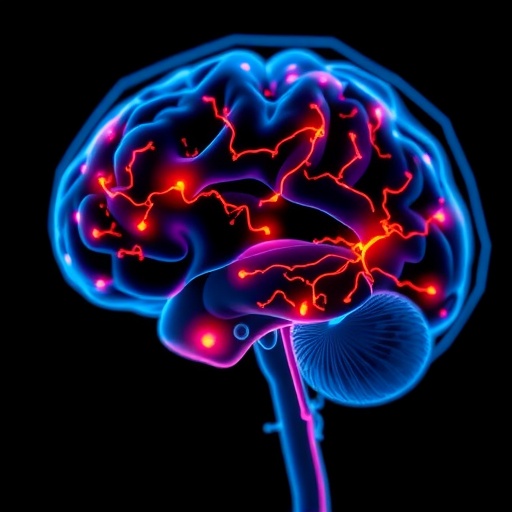
Stroke is common and accompanied by complex disabilities–such as lower and upper limb disability, speech impairment, and chronic post-stroke pain. An analysis of published studies found that non-invasive brain stimulation may have beneficial effects on fine motor movement in stroke patients and healthy participants. The findings are published in the European Journal of Neurology.

The meta-analysis examined the effects of two common non-invasive brain stimulation technologies–transcranial direct current stimulation (tDCS) and transcranial magnetic stimulation (TMS)–on hand and finger movement, like picking up objects, writing, or similarly precise tasks that are often affected after a stroke.

The investigators observed statistically significant gains in fine motor movement in stroke patients following tDCS and TMS; however, time since onset of stroke event, the severity of impairment, combination of non-invasive brain stimulation with other interventions, and risk of bias were all relevant factors. Fine motor improvement in healthy participants' non-dominant hand (a surrogate to an impaired hand) was also observed.

"Encouragingly, research to refine these gains, understand their impact on lifestyle, and determine best responders to these types of treatments is happening now," said lead author Dr. Anthony O'Brien, of the Spaulding Neuromodulation Center, an affiliate of Harvard Medical School.

###

Media Contact

Josh Glickman
[email protected]

http://newsroom.wiley.com/

http://dx.doi.org/10.1111/ene.13643
Share12Tweet7Share2ShareShareShare1

Related Posts

Low-Inflammation in Elderly UTIs: Risks and Resistance

February 7, 2026

Urinary Clusterin: Tracking Kidney Disease and Treatment Response

February 7, 2026

Personalized Guide to Understanding and Reducing Chemicals

February 7, 2026

Inflammasome Protein ASC Drives Pancreatic Cancer Metabolism

February 7, 2026
Please login to join discussion

POPULAR NEWS

  • Robotic Ureteral Reconstruction: A Novel Approach

    Robotic Ureteral Reconstruction: A Novel Approach

    82 shares
    Share 33 Tweet 21
  • Digital Privacy: Health Data Control in Incarceration

    63 shares
    Share 25 Tweet 16
  • Study Reveals Lipid Accumulation in ME/CFS Cells

    57 shares
    Share 23 Tweet 14
  • Breakthrough in RNA Research Accelerates Medical Innovations Timeline

    53 shares
    Share 21 Tweet 13

About

We bring you the latest biotechnology news from best research centers and universities around the world. Check our website.

Follow us

Recent News

Low-Inflammation in Elderly UTIs: Risks and Resistance

Urinary Clusterin: Tracking Kidney Disease and Treatment Response

Personalized Guide to Understanding and Reducing Chemicals

Subscribe to Blog via Email

Enter your email address to subscribe to this blog and receive notifications of new posts by email.

Join 73 other subscribers
  • Contact Us

Bioengineer.org © Copyright 2023 All Rights Reserved.

Welcome Back!

Login to your account below

Forgotten Password?

Retrieve your password

Please enter your username or email address to reset your password.

Log In
No Result
View All Result
  • Homepages
    • Home Page 1
    • Home Page 2
  • News
  • National
  • Business
  • Health
  • Lifestyle
  • Science

Bioengineer.org © Copyright 2023 All Rights Reserved.