PHOENIX, Ariz. — May 9, 2018 — Imagine how much patients could benefit if you could discover the presence of cancer, and even how that cancer develops over time, with a simple blood test.
There is vast potential in precision-medicine methods of both detecting and monitoring disease by looking for indications of cancer mutations in cell-free DNA (cfDNA), found floating in the blood. However, there are many factors that can significantly alter these samples as they are collected and analyzed.
To help evaluate and ensure the quality of these molecular biomarkers, a scientific team led by the Translational Genomics Research Institute (TGen) has devised a rapid test — a droplet digital PCR (ddPCR) assay — so these samples can be used to help determine the presence and progression of disease.
This new test has shown promising results in helping evaluate cfDNA biomarkers in several cancer types, including melanoma, cholangiocarcinoma (bile duct cancer), rectal cancer and breast cancer, according to a study published today in the journal Scientific Reports.
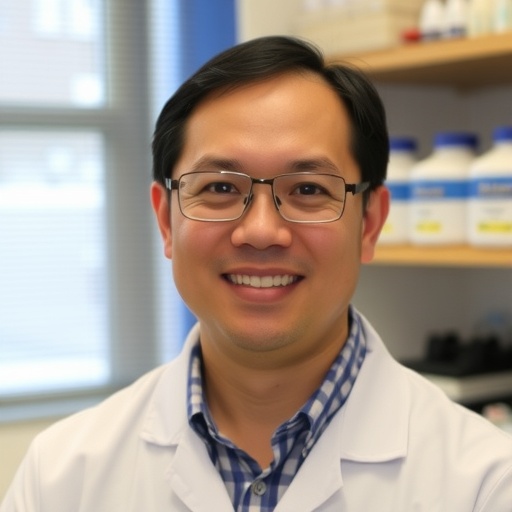
"In order for us to rely on sequencing results and evidence of cancer mutations from these samples and to make valid recommendations for treating physicians, we must ensure they have been collected and processed appropriately," said Dr. Muhammed Murtaza, Co-Director of TGen's Center for Noninvasive Diagnostics, a researcher at Mayo Clinic's Arizona campus, and the senior author of the study. "We developed this new quality-control assay to ensure we can confirm reliability using a very small volume of a patient's blood sample."
For example, the cfDNA in blood can be contaminated if peripheral blood cells are ruptured, releasing longer DNA fragments, not intended as part of the readout, which can then bias the results.
The new TGen test can filter out such variables, and evaluate the quantity and quality of blood cfDNA samples to improve the performance of subsequent sequencing tests, in which the billions of data points in DNA can be spelled out and analyzed.
While the consensus of professional medical experts is that these types of circulating tumor DNA (ctDNA) tests have not yet been perfected enough for use outside clinical trials, the new TGen assay is a significant step towards making these so-called liquid biopsies a routine, non-invasive and accurate method of screening for cancer, detecting early-stage cancer, making treatment decisions, and monitoring how well a treatment is working.
"We now routinely use this assay for quality assessment of all plasma samples processed and analyzed for ctDNA studies in our lab," said Havell Markus, a member of Dr. Murtaza's lab, and the study's lead author.
Also contributing to this study were: Mayo Clinic Center for Individualized Medicine, Oxford University, the North Wales Cancer Treatment Centre, University of California Los Angeles, and Yale University.
Dr. Murtaza and Tania Contente-Cuomo, a member of Dr. Murtaza's lab and also an author of the study, have applied for a patent for the ddPCR assay.
###
The study — Evaluation of pre-analytical factors affecting plasma DNA analysis — was supported by grants from: Bisgrove Scholars Award from Science Foundation Arizona, The V Foundation for Cancer Research, Stand Up To Cancer (SU2C), The Ben and Catherine Ivy Foundation, and Desert Mountain CARE.
About TGen
Translational Genomics Research Institute (TGen) is a Phoenix, Arizona-based non-profit organization dedicated to conducting groundbreaking research with life changing results. TGen is focused on helping patients with neurological disorders, cancer, diabetes, and infectious diseases, through cutting edge translational research (the process of rapidly moving research towards patient benefit). TGen physicians and scientists work to unravel the genetic components of both common and rare complex diseases in adults and children. Working with collaborators in the scientific and medical communities literally worldwide, TGen makes a substantial contribution to help our patients through efficiency and effectiveness of the translational process. TGen is affiliated with City of Hope, a world-renowned independent research and cancer and diabetes treatment center: http://www.cityofhope.org. This precision medicine affiliation enables both institutes to complement each other in research and patient care, with City of Hope providing a significant clinical setting to advance scientific discoveries made by TGen. For more information, visit: http://www.tgen.org. Follow TGen on Facebook, LinkedIn and Twitter @TGen.
Media Contact:
Steve Yozwiak
TGen Senior Science Writer
602-343-8704
[email protected]
Media Contact
Steve Yozwiak
[email protected]
602-343-8704
http://www.tgen.org
https://www.tgen.org/news/2018/may/09/tgen-develops-quality-control-test-for-detecting-cancer-in-blood/
Related Journal Article
http://dx.doi.org/10.1038/s41598-018-25810-0