• HOME
  • NEWS
  • EXPLORE
    • CAREER
      • Companies
      • Jobs
    • EVENTS
    • iGEM
      • News
      • Team
    • PHOTOS
    • VIDEO
    • WIKI
  • BLOG
  • COMMUNITY
    • FACEBOOK
    • INSTAGRAM
    • TWITTER
Saturday, February 7, 2026
BIOENGINEER.ORG
No Result
View All Result
  • Login
  • HOME
  • NEWS
  • EXPLORE
    • CAREER
      • Companies
      • Jobs
        • Lecturer
        • PhD Studentship
        • Postdoc
        • Research Assistant
    • EVENTS
    • iGEM
      • News
      • Team
    • PHOTOS
    • VIDEO
    • WIKI
  • BLOG
  • COMMUNITY
    • FACEBOOK
    • INSTAGRAM
    • TWITTER
  • HOME
  • NEWS
  • EXPLORE
    • CAREER
      • Companies
      • Jobs
        • Lecturer
        • PhD Studentship
        • Postdoc
        • Research Assistant
    • EVENTS
    • iGEM
      • News
      • Team
    • PHOTOS
    • VIDEO
    • WIKI
  • BLOG
  • COMMUNITY
    • FACEBOOK
    • INSTAGRAM
    • TWITTER
No Result
View All Result
Bioengineer.org
No Result
View All Result
Home NEWS Science News Health

Prolonged exposure to air pollution leads to genetic changes in rat brains, study finds

Bioengineer by Bioengineer
May 8, 2018
in Health
Reading Time: 2 mins read
0
Share on FacebookShare on TwitterShare on LinkedinShare on RedditShare on Telegram

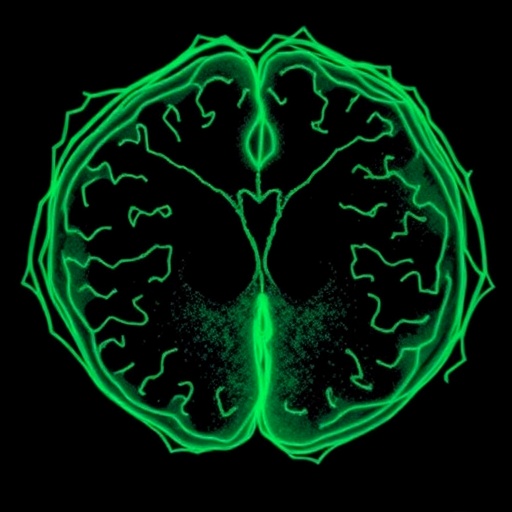
LOS ANGELES — May 8, 2018 — Prolonged exposure to particulate matter in air pollution in the Los Angeles Basin triggered inflammation and the appearance of cancer-related genes in the brains of rats, a Cedars-Sinai study has found.

While previous research has documented the association between air pollution and a variety of diseases, including cancer, the study found markers indicating certain materials in coarse air pollution–nickel, in particular–may play a role in genetic changes related to disease development, said Julia Ljubimova, MD, PhD.

Ljubimova, director of the Nanomedicine Research Center at Cedars-Sinai, is the lead author of the paper, published April 9 in Scientific Reports.

"This study, which looked at novel data gathered in the Los Angeles area, has significant implications for the assessment of air quality in the region, particularly as people are exposed to air pollution here for decades," Ljubimova said.

The study found that coarse particulate matter in the region's air pollution found its way into bodily systems in two ways: inhaled through the lungs, where trace metals and other materials enter the bloodstream and then the brain; and through the nose, where the materials are absorbed more directly into the brain.

"Cleaning the air in the Los Angeles Basin has been a long and arduous task, and we are happy to support the research that produced such a groundbreaking paper," said William A. Burke, EdD, chairman of the South Coast Air Quality Management District. "We must continue to shed light on how air pollution negatively affects our health."

Ljubimova noted that while the study's findings may be unique to the composition of air pollution in the Los Angeles Basin, "There are many examples of potentially damaging effects of air pollution exposures in major cities. Our modern society is becoming increasingly urbanized and exposed to air pollution. This trend underscores the need for additional research on the biology of air-pollution-induced organ damage, along with a concerted effort aimed at reducing ambient air pollution levels."

###

Eggehard Holler, PhD, professor of Neurosurgery, was senior author of the study "Coarse Particulate Matter in Los Angeles Basin Air Induces Expression of Inflammation and Cancer Biomarkers in Rat Brains." The study was supported by a grant from the BP/AQMD South Coast Air Quality Management District titled "Detection of Heavy Metal Content in Different Parts of Animal and Human Brain." Funding was provided by the Brain & Lung Tumor and Air Pollution Foundation that was established by the South Coast Air Quality Management District (BTAP011 to JYL), R01 grants to JYL (#CA199743 and #CA206220) and an R01 grant to EH (#CA 209921). Keith Black, MD, chair of the Department of Neurosurgery, is principal investigator of the Brain & Lung Tumor and Air Pollution Foundation.

Media Contact

Jonathan Diamond
[email protected]
323-866-8146
@cedarssinai

http://www.csmc.edu

Share12Tweet7Share2ShareShareShare1

Related Posts

Phage-Antibiotic Combo Beats Resistant Peritoneal Infection

February 7, 2026

Boosting Remote Healthcare: Stepped-Wedge Trial Insights

February 7, 2026

Barriers and Boosters of Seniors’ Physical Activity in Karachi

February 7, 2026

Evaluating Pediatric Emergency Care Quality in Ethiopia

February 7, 2026
Please login to join discussion

POPULAR NEWS

  • Robotic Ureteral Reconstruction: A Novel Approach

    Robotic Ureteral Reconstruction: A Novel Approach

    82 shares
    Share 33 Tweet 21
  • Digital Privacy: Health Data Control in Incarceration

    63 shares
    Share 25 Tweet 16
  • Study Reveals Lipid Accumulation in ME/CFS Cells

    57 shares
    Share 23 Tweet 14
  • Breakthrough in RNA Research Accelerates Medical Innovations Timeline

    53 shares
    Share 21 Tweet 13

About

We bring you the latest biotechnology news from best research centers and universities around the world. Check our website.

Follow us

Recent News

Phage-Antibiotic Combo Beats Resistant Peritoneal Infection

Boosting Remote Healthcare: Stepped-Wedge Trial Insights

Barriers and Boosters of Seniors’ Physical Activity in Karachi

Subscribe to Blog via Email

Enter your email address to subscribe to this blog and receive notifications of new posts by email.

Join 73 other subscribers
  • Contact Us

Bioengineer.org © Copyright 2023 All Rights Reserved.

Welcome Back!

Login to your account below

Forgotten Password?

Retrieve your password

Please enter your username or email address to reset your password.

Log In
No Result
View All Result
  • Homepages
    • Home Page 1
    • Home Page 2
  • News
  • National
  • Business
  • Health
  • Lifestyle
  • Science

Bioengineer.org © Copyright 2023 All Rights Reserved.