

• HOME
  • NEWS
  • EXPLORE
    • CAREER
      • Companies
      • Jobs
    • EVENTS
    • iGEM
      • News
      • Team
    • PHOTOS
    • VIDEO
    • WIKI
  • BLOG
  • COMMUNITY
    • FACEBOOK
    • INSTAGRAM
    • TWITTER
Saturday, February 7, 2026
BIOENGINEER.ORG
No Result
View All Result
  • Login
  • HOME
  • NEWS
  • EXPLORE
    • CAREER
      • Companies
      • Jobs
        • Lecturer
        • PhD Studentship
        • Postdoc
        • Research Assistant
    • EVENTS
    • iGEM
      • News
      • Team
    • PHOTOS
    • VIDEO
    • WIKI
  • BLOG
  • COMMUNITY
    • FACEBOOK
    • INSTAGRAM
    • TWITTER
  • HOME
  • NEWS
  • EXPLORE
    • CAREER
      • Companies
      • Jobs
        • Lecturer
        • PhD Studentship
        • Postdoc
        • Research Assistant
    • EVENTS
    • iGEM
      • News
      • Team
    • PHOTOS
    • VIDEO
    • WIKI
  • BLOG
  • COMMUNITY
    • FACEBOOK
    • INSTAGRAM
    • TWITTER
No Result
View All Result
Bioengineer.org
No Result
View All Result
Home NEWS Science News Health

In southern Mozambique, 1 out of 3 persons diagnosed with HIV do not disclose their status

Bioengineer by Bioengineer
May 2, 2018
in Health
Reading Time: 2 mins read
0
Share on FacebookShare on TwitterShare on LinkedinShare on RedditShare on Telegram
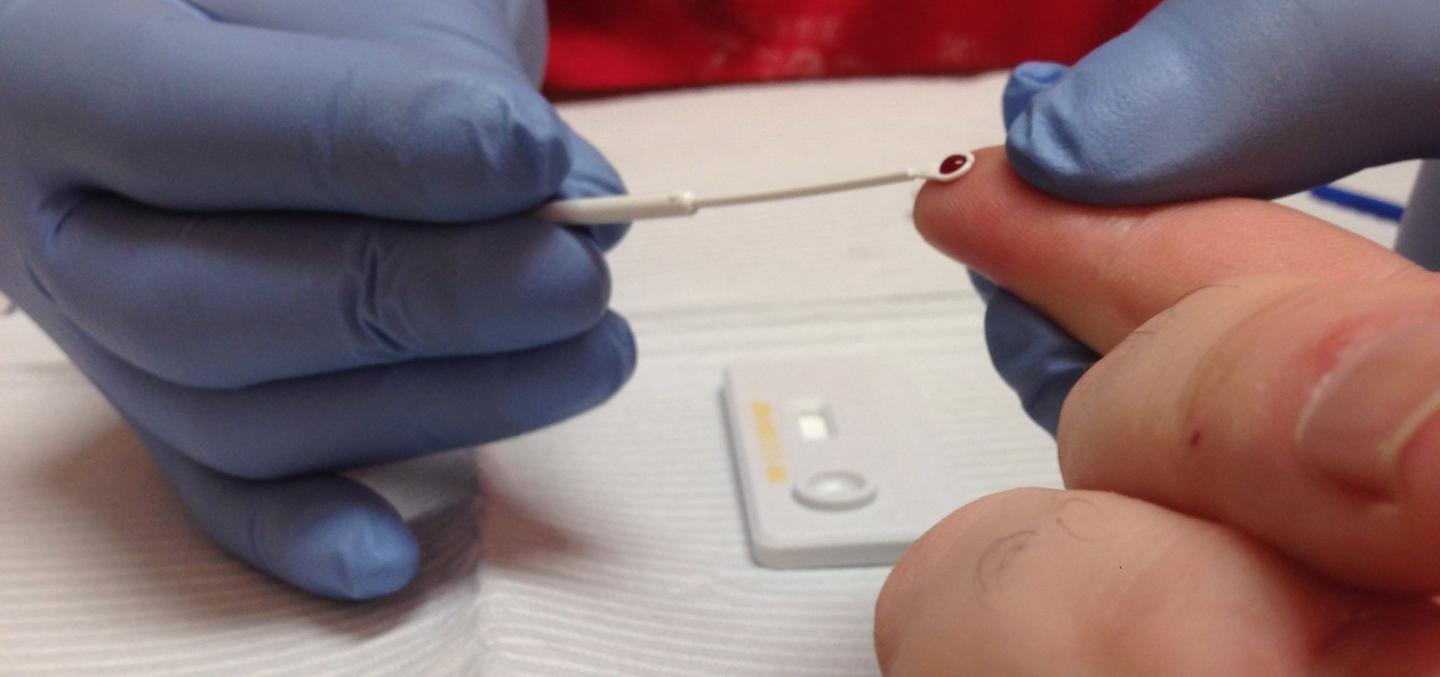
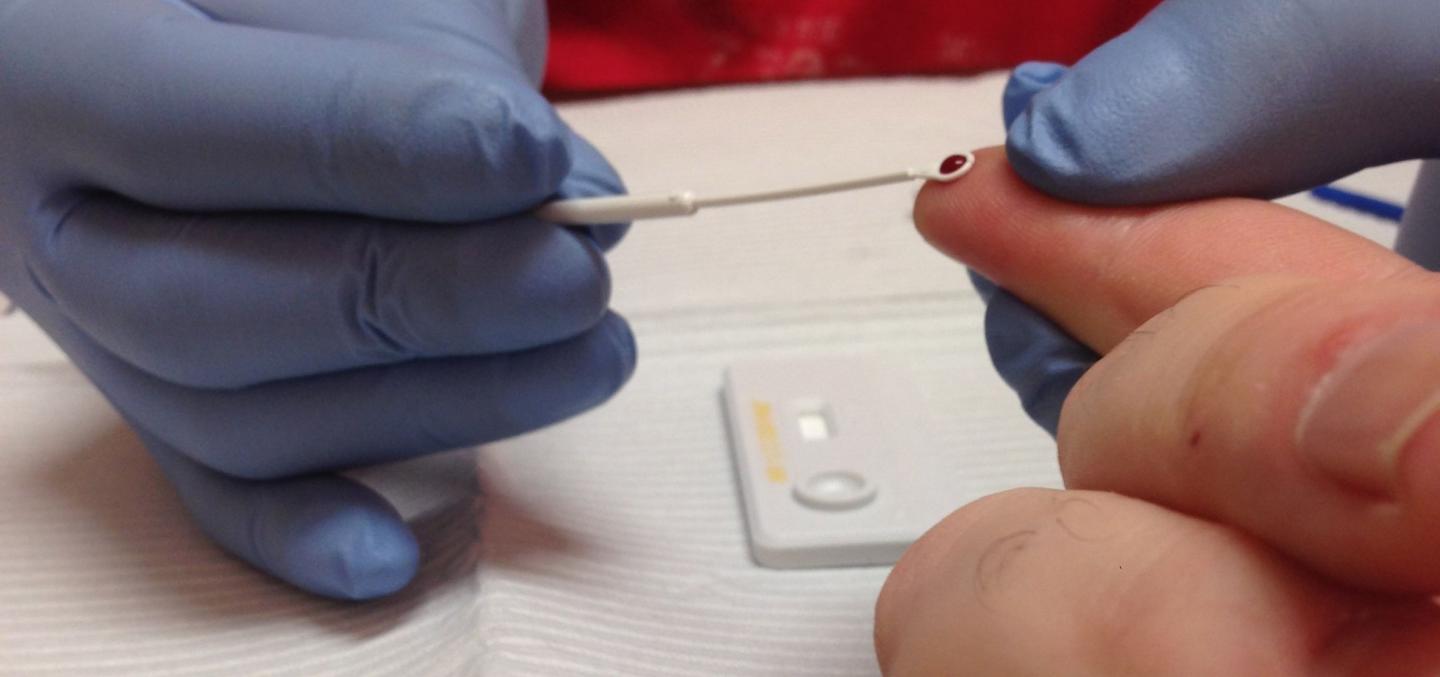
IMAGE

Credit: varnent / LGBT Free Media Collective

Almost 40% of people previously diagnosed with HIV do not disclose their HIV status during diagnosis campaigns, leading to unnecessary retesting. In addition to wasting valuable resources, this phenomenon can distort indicators of progress towards the UNAIDS targets. These are the conclusions of a study performed in Southern Mozambique and led by ISGlobal – an institution supported by the "la Caixa" Foundation – in collaboration with the Manhiça Health Research Centre (CISM).

In 2014, UNAIDS set the goal to reach the 90-90-90 target by 2020: diagnose 90% of people infected with HIV, treat 90% of seropositive people, and achieve viral suppression in 90% of treated persons. Progress has been made in several African regions, but awareness of HIV status remains one of the challenges. This goes beyond diagnosis: it also requires accepting the result, understanding the implications, and willingness to disclose the status to others, including health counsellors. Failure to do so can lead to unnecessary repeated testing or dropping out of care.

In this study, the research team sought to characterize the people living with HIV that do not disclose their serological status during a diagnosis campaign in Manhiça district, with 174,000 inhabitants and a high HIV prevalence (40% of adults). Of 1179 people registered as HIV-positive, more than one third (36%) did not disclose their previous positive diagnosis to counsellors. Most of them were young, had dropped out of care, and had no history of antiretroviral treatment.

The high percentage of people that know are infected but decide not to disclose it can lead to an overestimation of new HIV cases thereby distorting programme indicators, particularly in countries like Mozambique where HIV testing is anonymous.

"These results suggest that we are maybe closer the first UNAIDS target (90% of diagnosed people) and that we have to concentrate efforts on scaling up treatment delivery and reaching HIV positive individuals that have dropped out of care" says Denise Naniche, ISGlobal researcher and coordinator of the study.

The reasons for not disclosing HIV status may include not believing the result, thinking that some time of treatment has cured them, or fear to stigma. Therefore, the authors underline the need to develop interventions that "ensure appropriate psychosocial support to encourage the population to disclose their status and optimize scarce resources".

###

Media Contact

Adelaida Sarukhan
[email protected]
34-932-271-816

http://www.isglobal.org/en/

Original Source

https://www.isglobal.org/en/new/-/asset_publisher/JZ9fGljXnWpI/content/en-el-sur-de-mozambique-una-de-cada-tres-personas-previamente-diagnosticada-con-hiv-no-revela-su-estatus http://dx.doi.org/10.1002/jia2.25095

Share12Tweet7Share2ShareShareShare1

Related Posts

Evaluating Pediatric Emergency Care Quality in Ethiopia

February 7, 2026

TPMT Expression Predictions Linked to Azathioprine Side Effects

February 7, 2026

Improving Dementia Care with Enhanced Activity Kits

February 7, 2026

Decoding Prostate Cancer Origins via snFLARE-seq, mxFRIZNGRND

February 7, 2026
Please login to join discussion

POPULAR NEWS

  • Robotic Ureteral Reconstruction: A Novel Approach

    Robotic Ureteral Reconstruction: A Novel Approach

    82 shares
    Share 33 Tweet 21
  • Digital Privacy: Health Data Control in Incarceration

    63 shares
    Share 25 Tweet 16
  • Study Reveals Lipid Accumulation in ME/CFS Cells

    57 shares
    Share 23 Tweet 14
  • Breakthrough in RNA Research Accelerates Medical Innovations Timeline

    53 shares
    Share 21 Tweet 13

About

We bring you the latest biotechnology news from best research centers and universities around the world. Check our website.

Follow us

Recent News

Evaluating Pediatric Emergency Care Quality in Ethiopia

TPMT Expression Predictions Linked to Azathioprine Side Effects

Improving Dementia Care with Enhanced Activity Kits

Subscribe to Blog via Email

Success! An email was just sent to confirm your subscription. Please find the email now and click 'Confirm' to start subscribing.

Join 73 other subscribers
  • Contact Us

Bioengineer.org © Copyright 2023 All Rights Reserved.

Welcome Back!

Login to your account below

Forgotten Password?

Retrieve your password

Please enter your username or email address to reset your password.

Log In
No Result
View All Result
  • Homepages
    • Home Page 1
    • Home Page 2
  • News
  • National
  • Business
  • Health
  • Lifestyle
  • Science

Bioengineer.org © Copyright 2023 All Rights Reserved.