• HOME
  • NEWS
  • EXPLORE
    • CAREER
      • Companies
      • Jobs
    • EVENTS
    • iGEM
      • News
      • Team
    • PHOTOS
    • VIDEO
    • WIKI
  • BLOG
  • COMMUNITY
    • FACEBOOK
    • INSTAGRAM
    • TWITTER
Monday, October 5, 2026
BIOENGINEER.ORG
No Result
View All Result
  • Login
  • HOME
  • NEWS
  • EXPLORE
    • CAREER
      • Companies
      • Jobs
        • Lecturer
        • PhD Studentship
        • Postdoc
        • Research Assistant
    • EVENTS
    • iGEM
      • News
      • Team
    • PHOTOS
    • VIDEO
    • WIKI
  • BLOG
  • COMMUNITY
    • FACEBOOK
    • INSTAGRAM
    • TWITTER
No Result
View All Result
Bioengineer.org
No Result
View All Result
Home NEWS Science News Health

Availability of orphan medicines varies between European countries

Bioengineer by Bioengineer
April 24, 2018
in Health
Reading Time: 2 mins read
0
Share on FacebookShare on TwitterShare on LinkedinShare on RedditShare on Telegram
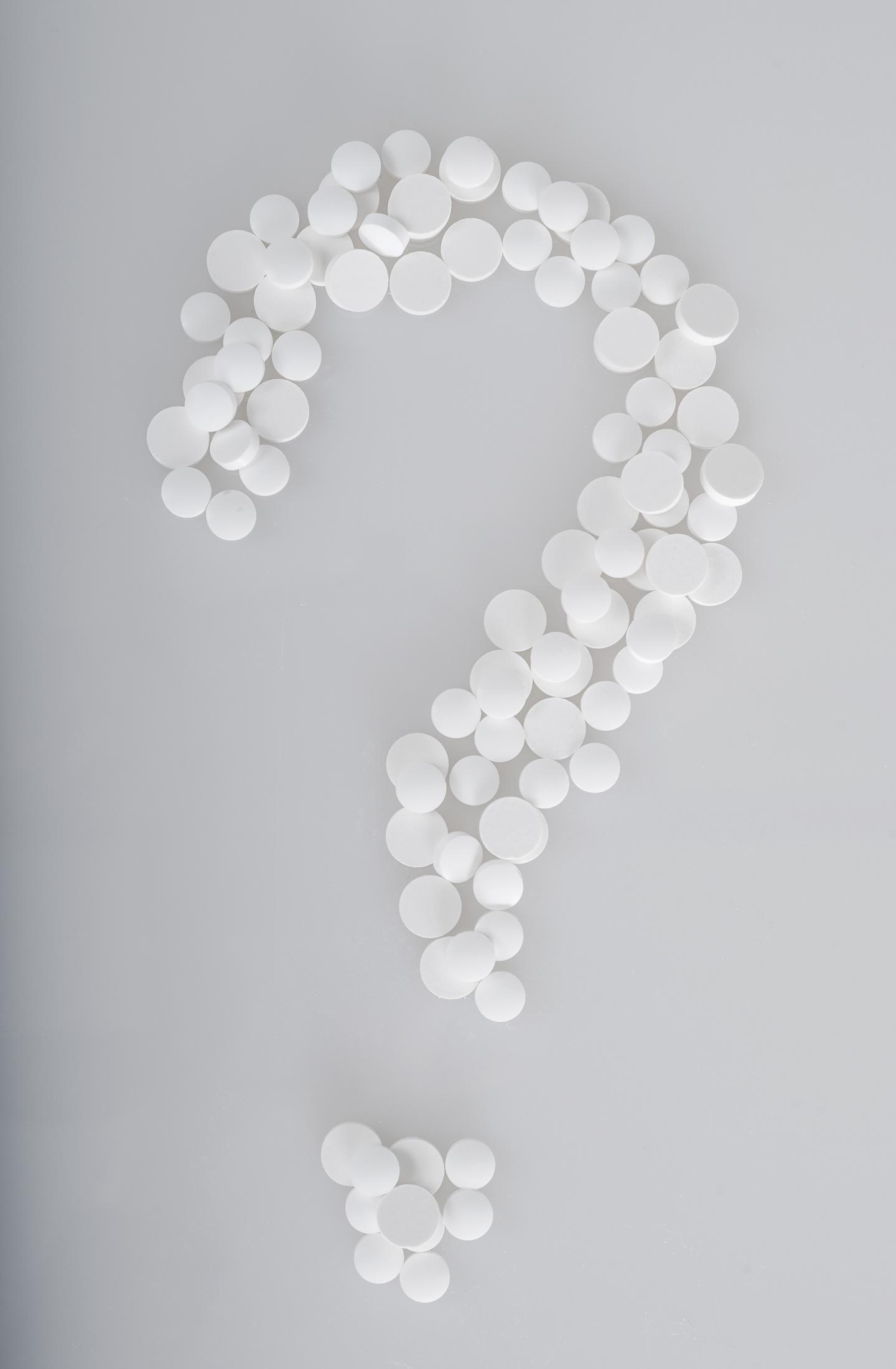
IMAGE

Credit: UEF / Raija Törrönen

There are differences in the availability of orphan medicines between different European countries, a new study from the University of Eastern Finland shows.

Orphan medicines are pharmaceutical products developed specifically for the treatment, prevention or diagnostics of rare diseases. Rare diseases are life-threatening or permanently disabling medical conditions, and they affect some 30 million people in Europe and more than 300,000 people in Finland alone. People suffering from a rare disease do not always have access to the medicines they need. Factors limiting the availability of orphan medicines include them not entering the markets or their financial burden on the patient or society being too high.

The study focused on the availability and distribution channels of ten orphan medicines used in outpatient care in 24 European countries. On average, five of the ten medicines were available on the markets, but there was variation between the countries. All ten medicines were available only in three countries: the Netherlands, Malta and Poland. Five to nine medicines were available in ten countries: Austria, Finland, Germany, Iceland, Italy, Norway, Slovakia, Spain, Sweden and the United Kingdom. Four countries, namely Latvia, Lithuania, Turkey and Belarus, did not have any of the medicines studied available.

Typically, rare medicines were dispensed to patients at pharmacies. Other dispensaries, such as hospitals or health centres, were also quite commonly used. When orphan medicines were dispensed to patients at pharmacies, a part of the price was often paid by the patient, whereas hospitals and health centres typically dispensed the medicine free of charge.

The study also explored whether the European countries studied had implemented policies to regulate decisions relating to the pricing and reimbursement of rare medicines specifically. Typically, no policies applicable to rare medicines alone were in place; instead, decisions on rare medicines were made on the same grounds as decisions on other medicines. However, 13 countries reported some type of a special arrangement. In Latvia and Russia, for example, rare medicines come under a separate budget, and countries such as Spain, Lithuania and Hungary have set special conditions on the reimbursability of rare medicines.

The study was carried out in April 2016 via a survey sent to the members of a network of authorities dealing with pharmaceutical product pricing and reimbursement in Europe, and 24 countries responded. The study was funded by the Social Insurance Institution of Finland, Kela, and the University of Eastern Finland.

###

For further information, please contact: Researcher Kati Sarnola, University of Eastern Finland, kati.sarnola(at)uef.fi, tel. +358 29 522 35 24

Head of Research Jaana Martikainen, Social Insurance Institution of Finland, Kela, jaana.martikainen(at)kela.fi, tel. +358 40 192 3827

Research article: Sarnola Kati, Ahonen Riitta, Martikainen Jaana E, Timonen Johanna: Policies and availability of orphan medicines in outpatient care in 24 European countries. European Journal of Clinical Pharmacology. https://link.springer.com/article/10.1007%2Fs00228-018-2457-x DOI: 10.1007/s00228-018-2457-x

Media Contact

Kati Sarnola
[email protected]
358-295-223-524
@UniEastFinland

http://www.uef.fi

Related Journal Article

http://dx.doi.org/10.1007/s00228-018-2457-x
Share12Tweet8Share2ShareShareShare2

Related Posts

New Scales Capture How Older Adults and Caregivers Decide to Seek Help for Memory Problems

New Scales Capture How Older Adults and Caregivers Decide to Seek Help for Memory Problems

October 5, 2026
Tiny Skin Mites Found Far More Often in Malignant Tumors Than Benign Ones

Tiny Skin Mites Found Far More Often in Malignant Tumors Than Benign Ones

October 5, 2026

Storytelling Rooted in Real Hospital Errors Boosts Patient Safety Culture Among Nurses

October 5, 2026

Skin Patch Shows Promise Against Childhood Tics in Major Meta-Analysis

October 5, 2026
Please login to join discussion

POPULAR NEWS

  • Alloys That Shrink Their Own Grains: New PIX Mechanism Refines Metals With Heat Alone

    Alloys That Shrink Their Own Grains: New PIX Mechanism Refines Metals With Heat Alone

    29 shares
    Share 12 Tweet 7
  • Endurance Exercise Reshapes the Liver in Males and Females Through Distinct Molecular Routes

    29 shares
    Share 12 Tweet 7
  • Single Transcription Factor PU.1 Rapidly Converts Fibroblasts into Macrophage-Lineage Cells

    29 shares
    Share 12 Tweet 7
  • New Scale Measures How Ready Nurse Educators Really Are for the AI Era

    29 shares
    Share 12 Tweet 7

About

We bring you the latest biotechnology news from best research centers and universities around the world. Check our website.

Follow us

Recent News

Alloys That Shrink Their Own Grains: New PIX Mechanism Refines Metals With Heat Alone

Endurance Exercise Reshapes the Liver in Males and Females Through Distinct Molecular Routes

Single Transcription Factor PU.1 Rapidly Converts Fibroblasts into Macrophage-Lineage Cells

Subscribe to Blog via Email

Success! An email was just sent to confirm your subscription. Please find the email now and click 'Confirm' to start subscribing.

Join 85 other subscribers
  • Contact Us

Bioengineer.org © Copyright 2023 All Rights Reserved.

Welcome Back!

Login to your account below

Forgotten Password?

Retrieve your password

Please enter your username or email address to reset your password.

Log In
No Result
View All Result
  • Homepages
    • Home Page 1
    • Home Page 2
  • News
  • National
  • Business
  • Health
  • Lifestyle
  • Science

Bioengineer.org © Copyright 2023 All Rights Reserved.