• HOME
  • NEWS
  • EXPLORE
    • CAREER
      • Companies
      • Jobs
    • EVENTS
    • iGEM
      • News
      • Team
    • PHOTOS
    • VIDEO
    • WIKI
  • BLOG
  • COMMUNITY
    • FACEBOOK
    • INSTAGRAM
    • TWITTER
Monday, October 5, 2026
BIOENGINEER.ORG
No Result
View All Result
  • Login
  • HOME
  • NEWS
  • EXPLORE
    • CAREER
      • Companies
      • Jobs
        • Lecturer
        • PhD Studentship
        • Postdoc
        • Research Assistant
    • EVENTS
    • iGEM
      • News
      • Team
    • PHOTOS
    • VIDEO
    • WIKI
  • BLOG
  • COMMUNITY
    • FACEBOOK
    • INSTAGRAM
    • TWITTER
  • HOME
  • NEWS
  • EXPLORE
    • CAREER
      • Companies
      • Jobs
        • Lecturer
        • PhD Studentship
        • Postdoc
        • Research Assistant
    • EVENTS
    • iGEM
      • News
      • Team
    • PHOTOS
    • VIDEO
    • WIKI
  • BLOG
  • COMMUNITY
    • FACEBOOK
    • INSTAGRAM
    • TWITTER
No Result
View All Result
Bioengineer.org
No Result
View All Result
Home NEWS Science News Health

Further clues in the fight against Chronic Fatigue Syndrome

Bioengineer by Bioengineer
May 10, 2016
in Health
Reading Time: 2 mins read
0
Share on FacebookShare on TwitterShare on LinkedinShare on RedditShare on Telegram
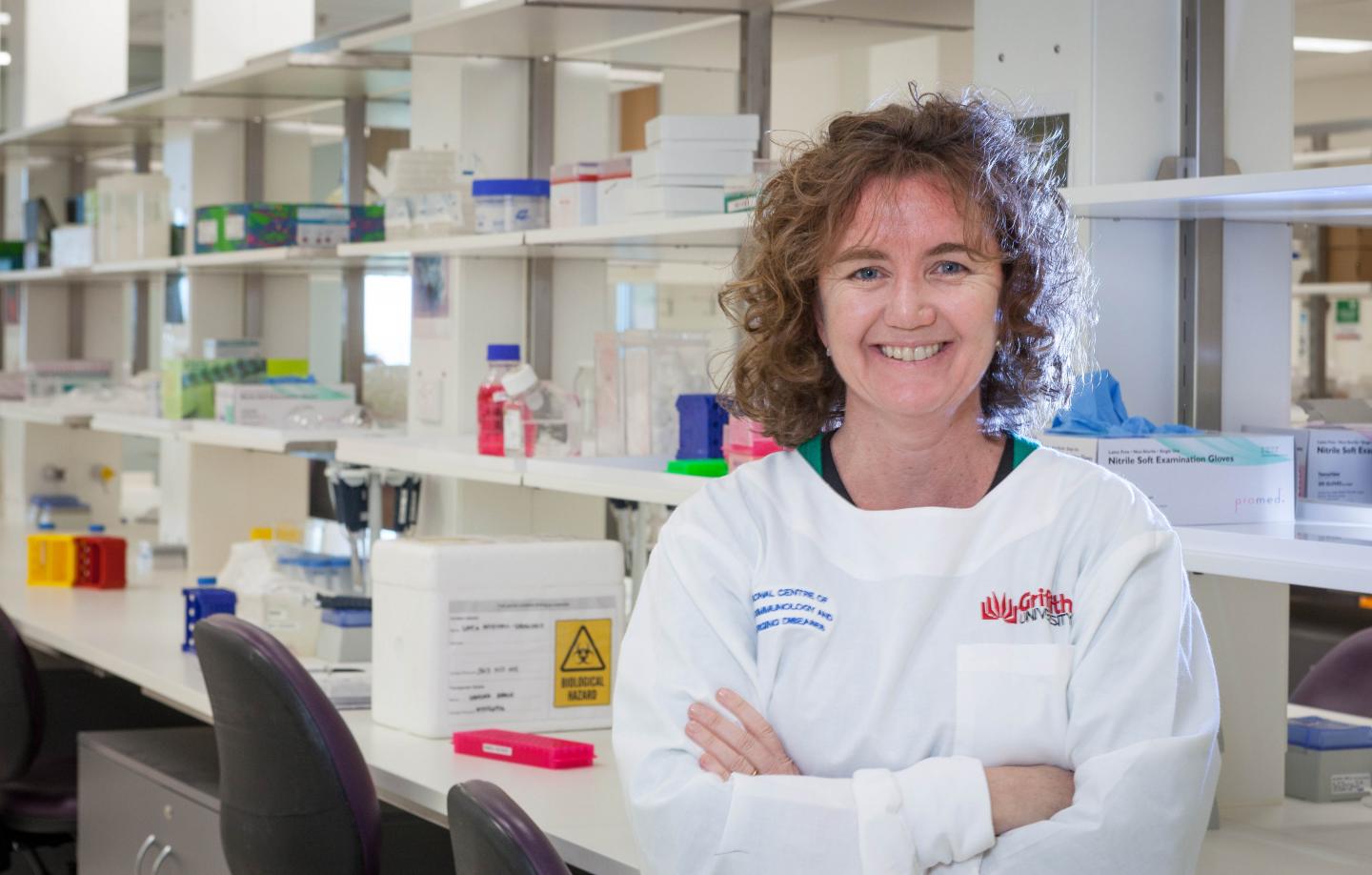
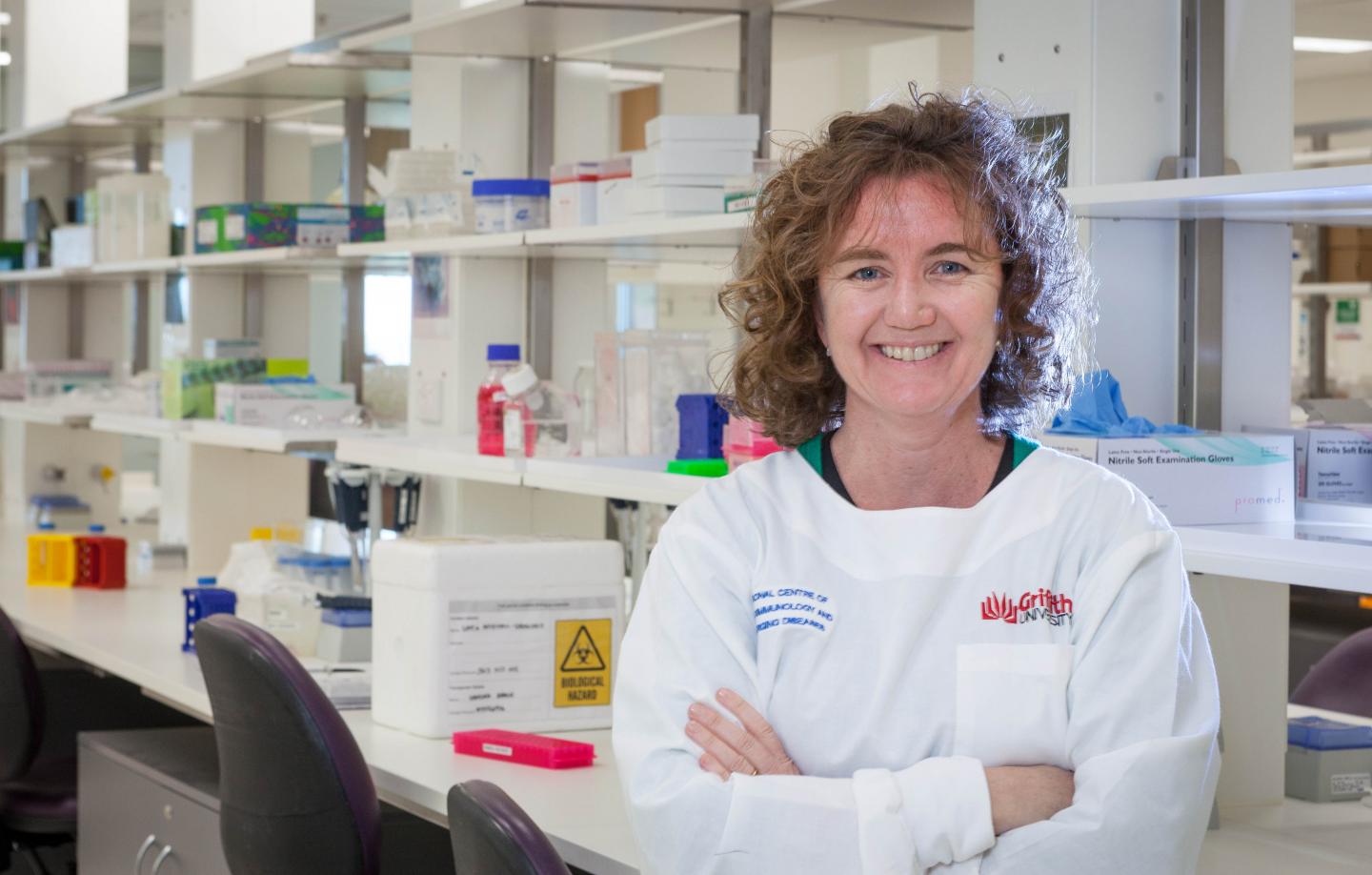
IMAGE

New findings regarding the pathology of Chronic Fatigue Syndrome (CFS) are bringing Griffith University researchers closer to identifying the cause of this disabling illness.

This is the news from a team at the National Centre for Neuroimmunology and Emerging Diseases at the Menzies Health Institute Queensland.

Professors Marshall-Gradisnik and Don Staines and their research team have identified significant impairments in cellular function of people with CFS.

CFS – sometimes known as ME (myalgic encephalomyelitis) – is a complex illness characterised by impaired memory and concentration, metabolic, cardiac, gut and immune dysfunction and debilitating muscle pain and fatigue on exertion (also known as neuroimmune exhaustion).

It is estimated that the prevalence rate of CFS/ME worldwide is between 1 and 2 per cent.

“While the patho-mechanism of CFS/ME is unknown, these recent findings by NCNED researchers provide further evidence for the pathology of this illness,” says Professor Sonya Marshall-Gradisnik, who speaks as we approach International CFS Awareness Day on Thursday May 12.

Published in the Journal of Translational Medicine, the results report significant differences in intracellular signalling of cells with CFS patients.

“In this group, we see that dysfunctional signalling may contribute to impaired cell activity. These findings are consistent with our previous findings and align with the presentation of symptoms in patients,” says Professor Staines.

The current research findings build upon recent discoveries including novel identification of key genetic changes in cells of the immune system.

The NCNED – internationally recognised for research into CFS/ME – will present a seminar on current research findings on this disease on International CFS/ME Awareness Day, Thursday May 12 at Griffith University, Gold Coast Campus, commencing 1pm, location G17, Lecture theatre 3.

Griffith University will also be illuminating the Griffith Health Centre in blue to further help raise awareness for CFS/ME.

###

Media Contact

Louise Durack
[email protected]
041-964-9516
@Griffith_Uni

http://www.griffith.edu.au

The post Further clues in the fight against Chronic Fatigue Syndrome appeared first on Scienmag.

Share12Tweet8Share2ShareShareShare2

Related Posts

Believing You Control Your Health May Shape How Well People Manage Diabetes

Believing You Control Your Health May Shape How Well People Manage Diabetes

October 5, 2026
Childhood Adversity Linked to Modest Rise in Heart Disease Risk Across Four Ageing Cohorts

Childhood Adversity Linked to Modest Rise in Heart Disease Risk Across Four Ageing Cohorts

October 5, 2026

Apathy and Personality Changes Drive Early Disability in Frontotemporal Dementia

October 5, 2026

Smoke Tree Flavonoids Rewrite Gene Activity in Leukemia Cells, Study Finds

October 5, 2026
Please login to join discussion

POPULAR NEWS

  • Alloys That Shrink Their Own Grains: New PIX Mechanism Refines Metals With Heat Alone

    Alloys That Shrink Their Own Grains: New PIX Mechanism Refines Metals With Heat Alone

    29 shares
    Share 12 Tweet 7
  • Endurance Exercise Reshapes the Liver in Males and Females Through Distinct Molecular Routes

    29 shares
    Share 12 Tweet 7
  • Single Transcription Factor PU.1 Rapidly Converts Fibroblasts into Macrophage-Lineage Cells

    29 shares
    Share 12 Tweet 7
  • New Scale Measures How Ready Nurse Educators Really Are for the AI Era

    29 shares
    Share 12 Tweet 7

About

We bring you the latest biotechnology news from best research centers and universities around the world. Check our website.

Follow us

Recent News

Alloys That Shrink Their Own Grains: New PIX Mechanism Refines Metals With Heat Alone

Endurance Exercise Reshapes the Liver in Males and Females Through Distinct Molecular Routes

Single Transcription Factor PU.1 Rapidly Converts Fibroblasts into Macrophage-Lineage Cells

Subscribe to Blog via Email

Success! An email was just sent to confirm your subscription. Please find the email now and click 'Confirm' to start subscribing.

Join 85 other subscribers
  • Contact Us

Bioengineer.org © Copyright 2023 All Rights Reserved.

Welcome Back!

Login to your account below

Forgotten Password?

Retrieve your password

Please enter your username or email address to reset your password.

Log In
No Result
View All Result
  • Homepages
    • Home Page 1
    • Home Page 2
  • News
  • National
  • Business
  • Health
  • Lifestyle
  • Science

Bioengineer.org © Copyright 2023 All Rights Reserved.