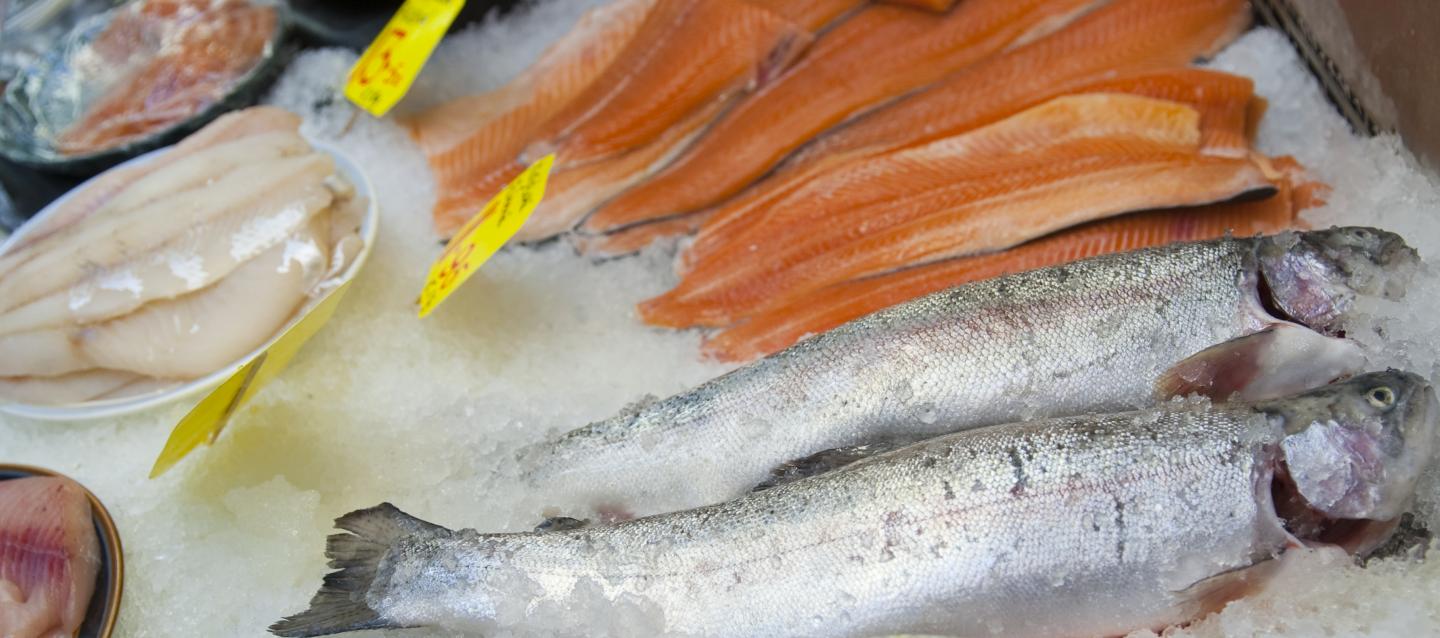
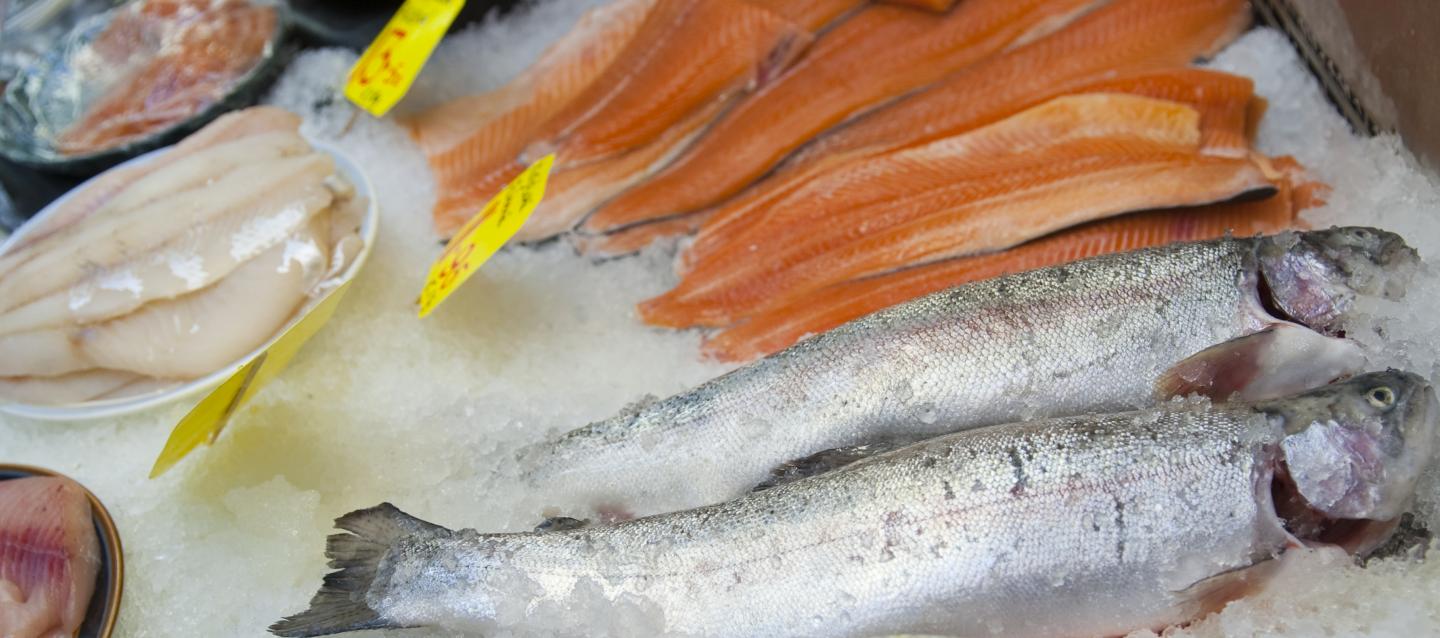
Credit: UEF/Varpu Heiskanen
Eating fatty fish increases the size and lipid composition of HDL particles in people with impaired glucose metabolism, according to a new study from the University of Eastern Finland. These changes in the size and lipid composition of HDL particles make them beneficial for cardiovascular health. Published in Molecular Nutrition & Food Research, the study also found that camelina sativa oil decreases the number of harmful IDL particles.
The researchers studied the effects of camelina oil and fatty fish intake on the size and composition of cholesterol-carrying lipoproteins. The HDL lipoprotein is commonly known as "the good" cholesterol, although the health effects of HDL particles actually are dependent on their size and composition. Earlier research has shown that large HDL particles are associated with a reduced risk of cardiovascular diseases, whereas a small HDL particle size may increase the risk. The IDL lipoprotein, on the other hand, is the precursor of LDL, which is also known as "the bad" cholesterol. Previous studies have shown that long-chain omega-3 fatty acids found in fish have a beneficial effect on lipoprotein size and composition. Camelina oil, on the other hand, is rich in alpha-linolenic acid, which is an essential omega-3 fatty acid whose associations with lipoproteins aren't well understood yet.
The study involved 79 Finnish men and women aged between 40 and 72, and with impaired glucose metabolism. Study participants were randomly divided into four groups for a 12-week intervention: the camelina oil group, the fatty fish group, the lean fish group, and the control group. People in the lean and fatty fish groups were instructed to eat lean or fatty fish four times a week, and people in the camelina oil group were asked to use 30 millilitres of camelina sativa oil daily. Participants in the control group were allowed to eat fish once a week, and the use of camelina oil and other oils containing alpha-linolenic acid, such as rapeseed oil, was prohibited.
The researchers found that eating fatty fish increased the size and lipid composition of HDL particles, and that the use of camelina oil decreased the number of harmful IDL particles. Both of these changes can reduce the risk of cardiovascular diseases. Eating lean fish, however, was not associated with changes in the number, size or composition of lipoprotein particles.
###
For further information, please contact: Suvi Manninen, Doctoral Student, University of Eastern Finland, Institute of Public Health and Clinical Nutrition, suvi.manninen(at)uef.fi
Research article: Suvi M. Manninen, Maria A. Lankinen, Vanessa D. de Mello, David E. Laaksonen, Ursula S. Schwab, Arja T. Erkkilä. Intake of fish alters the size and composition of HDL particles and camelina sativa oil decreases IDL particle concentration in subjects with impaired glucose metabolism. Molecular Nutrition & Food Research, published online 12/04/2018, DOI: 10.1002/mnfr.201701042.
Media Contact
Suvi Manninen
[email protected]
@UniEastFinland
http://www.uef.fi
Related Journal Article
http://dx.doi.org/10.1002/mnfr.201701042