• HOME
  • NEWS
  • EXPLORE
    • CAREER
      • Companies
      • Jobs
    • EVENTS
    • iGEM
      • News
      • Team
    • PHOTOS
    • VIDEO
    • WIKI
  • BLOG
  • COMMUNITY
    • FACEBOOK
    • INSTAGRAM
    • TWITTER
Saturday, February 7, 2026
BIOENGINEER.ORG
No Result
View All Result
  • Login
  • HOME
  • NEWS
  • EXPLORE
    • CAREER
      • Companies
      • Jobs
        • Lecturer
        • PhD Studentship
        • Postdoc
        • Research Assistant
    • EVENTS
    • iGEM
      • News
      • Team
    • PHOTOS
    • VIDEO
    • WIKI
  • BLOG
  • COMMUNITY
    • FACEBOOK
    • INSTAGRAM
    • TWITTER
  • HOME
  • NEWS
  • EXPLORE
    • CAREER
      • Companies
      • Jobs
        • Lecturer
        • PhD Studentship
        • Postdoc
        • Research Assistant
    • EVENTS
    • iGEM
      • News
      • Team
    • PHOTOS
    • VIDEO
    • WIKI
  • BLOG
  • COMMUNITY
    • FACEBOOK
    • INSTAGRAM
    • TWITTER
No Result
View All Result
Bioengineer.org
No Result
View All Result
Home NEWS Science News Biology

New study reveals that the center of the world’s marine biodiversity is in danger

Bioengineer by Bioengineer
April 10, 2018
in Biology
Reading Time: 2 mins read
0
Share on FacebookShare on TwitterShare on LinkedinShare on RedditShare on Telegram
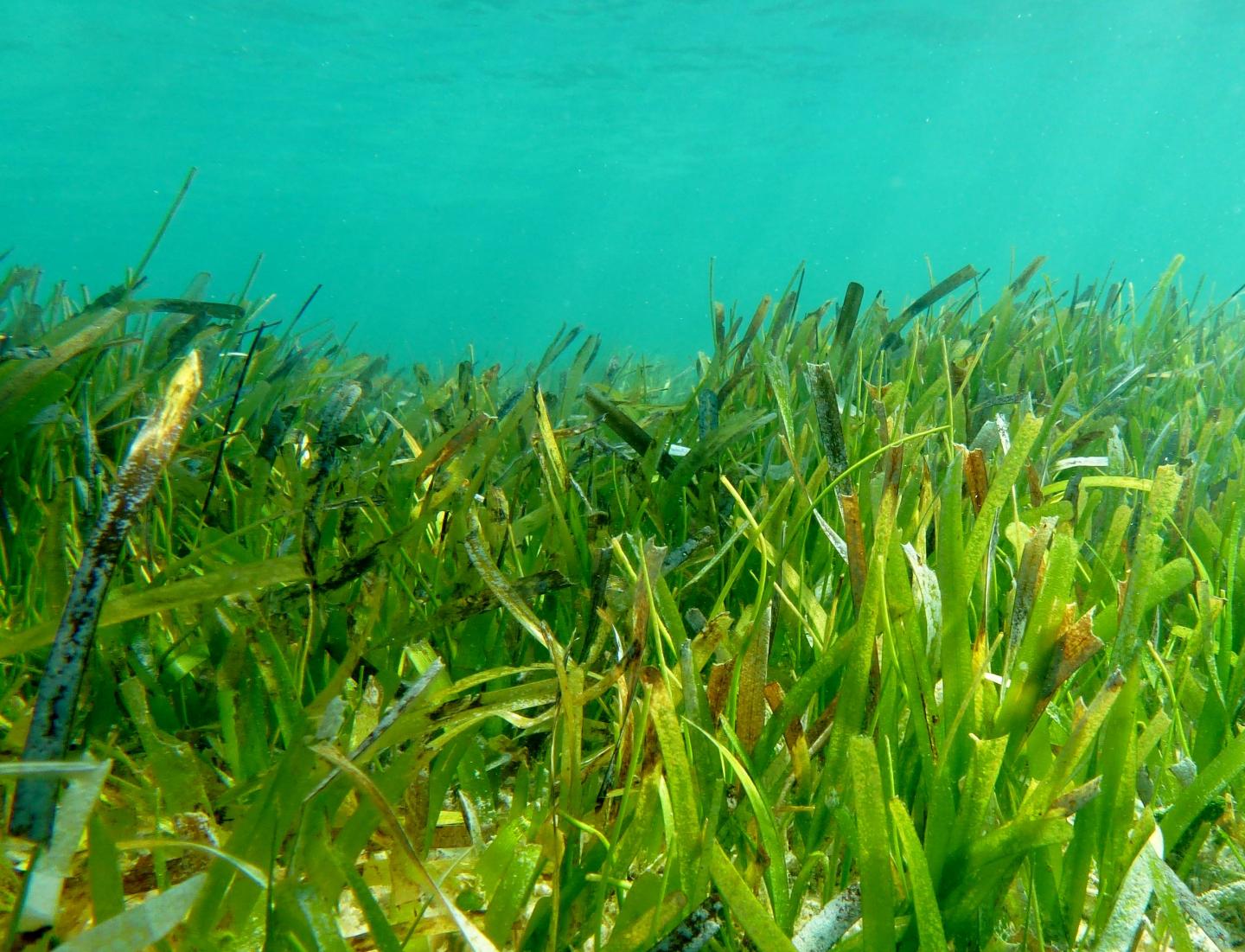
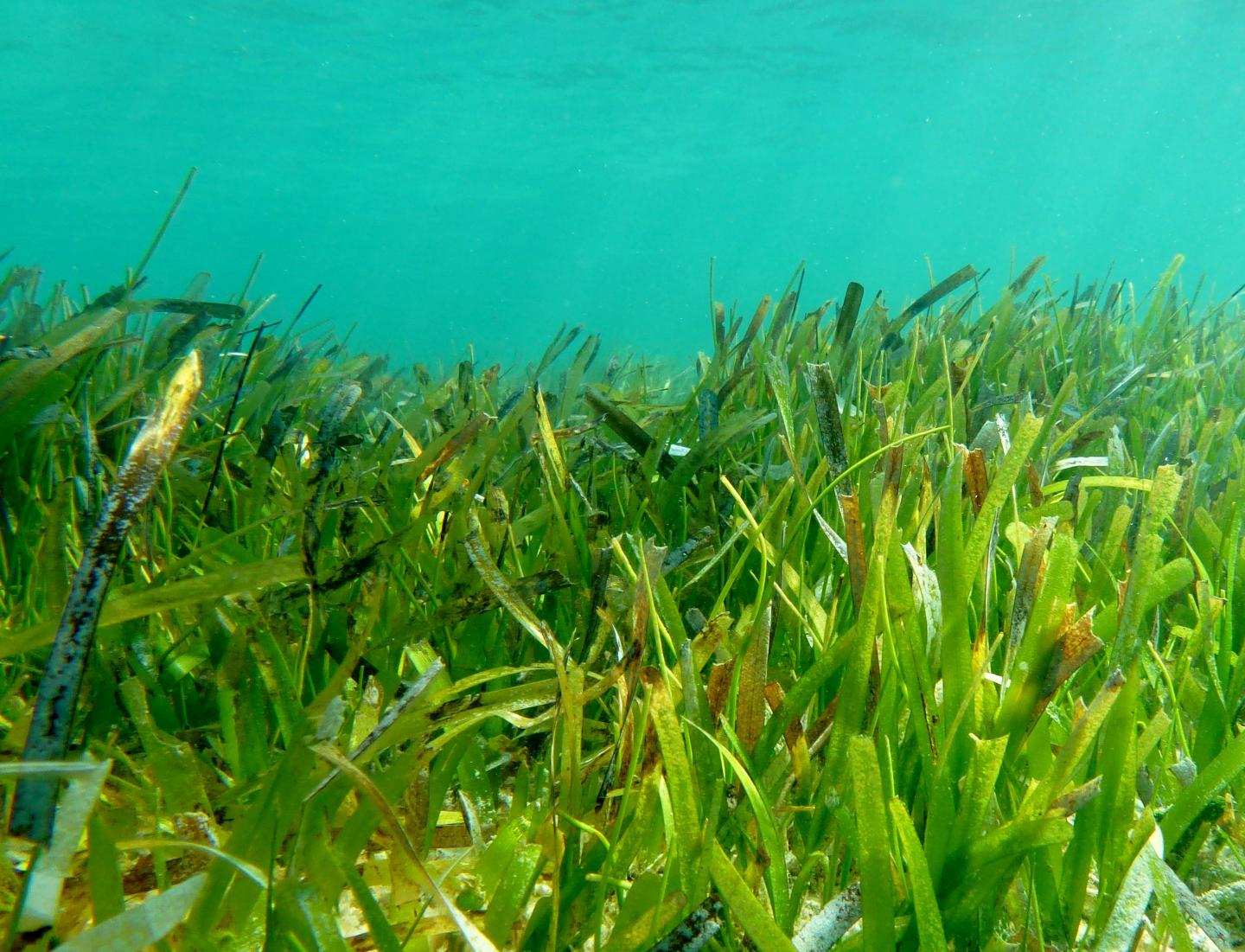
IMAGE

Credit: Dr. Richard Unsworth

Research led by Swansea University's Bioscience department have found that the world's centre of biodiversity is under widespread threat of losing a key marine resource.

Writing about the findings in the recent Science of the Total Environment journal, researchers examined the risks to seagrass meadows throughout the vast Indonesian archipelago that makes up a key part of the famed Coral Triangle – a marine area located in the western Pacific Ocean.

This area is widely known as the centre of the world's biodiversity and the meadows are the 'Prairies of the Sea'.

They are highly productive shallow water marine and coastal habitats comprised of marine plants, and these threatened areas provide important food and shelter for animals in the sea.

The research led by Dr Richard Unsworth indicates that up to 90% of the seagrass meadows that they examined in Indonesia have been extensively damaged and degraded over the past five years.

In the findings, researchers also discuss solutions to the problems these productive ecosystems face, including the importance of community-led conservation action. In the study they also discuss examples where seagrass conservation has been.

For example, in a series of small islands in Eastern Indonesia, seagrasses were threatened by sediment and nutrient run-off from the land due to the degradation of riverbanks.

As a result, replanting of riparian vegetation along the rivers as an incentive scheme with local farmers has reduced the flow of these pollutants into the sea.

Dr Richard Unsworth, from Swansea University's Biosciences department, led the study and said: "Our research is for the first time recording how an area of the world so critically important for its biodiversity is rapidly losing a key marine resource.

"This loss of seagrass is a terrible problem as the habitats in Indonesia have a major significance for daily food supply and general livelihoods. Without seagrass as a fishery habitat many people in Indonesia would not be able to feed their families on a daily basis."

Dr Leanne Cullen-Unsworth from Cardiff University added: "The ecological value of seagrass meadows is irrefutable, yet the loss of these systems in Indonesia is accelerating. Seagrass meadows in Indonesia are mostly ignored in the conservation arena.

"As a result, they're often not monitored, poorly researched and largely and unmanaged, leading to a tragedy of the seagrass commons."

Professor Rohani Ambo-Rappe of Hasanuddin University, Indonesia, a collaborator on the research stated: "Declining seagrass health is the result of shifting environmental conditions due largely to coastal development, land reclamation, and deforestation, as well as seaweed farming, overfishing and garbage dumping.

"The poor state of Indonesia's seagrasses will compromise their resilience to climate change and result in a loss of their ability to lock away carbon dioxide and provide important fisheries habitats."

###

Media Contact

Ben Donovan
[email protected]
01-792-602-382
@swanseauni

http://www.swansea.ac.uk/

Related Journal Article

http://dx.doi.org/10.1016/j.scitotenv.2018.03.315
Share12Tweet8Share2ShareShareShare2

Related Posts

Florida Cane Toad: Complex Spread and Selective Evolution

Florida Cane Toad: Complex Spread and Selective Evolution

February 7, 2026
New Study Uncovers Mechanism Behind Burn Pit Particulate Matter–Induced Lung Inflammation

New Study Uncovers Mechanism Behind Burn Pit Particulate Matter–Induced Lung Inflammation

February 6, 2026

DeepBlastoid: Advancing Automated and Efficient Evaluation of Human Blastoids with Deep Learning

February 6, 2026

Navigating the Gut: The Role of Formic Acid in the Microbiome

February 6, 2026
Please login to join discussion

POPULAR NEWS

  • Robotic Ureteral Reconstruction: A Novel Approach

    Robotic Ureteral Reconstruction: A Novel Approach

    82 shares
    Share 33 Tweet 21
  • Digital Privacy: Health Data Control in Incarceration

    63 shares
    Share 25 Tweet 16
  • Study Reveals Lipid Accumulation in ME/CFS Cells

    57 shares
    Share 23 Tweet 14
  • Breakthrough in RNA Research Accelerates Medical Innovations Timeline

    53 shares
    Share 21 Tweet 13

About

We bring you the latest biotechnology news from best research centers and universities around the world. Check our website.

Follow us

Recent News

Personalized Guide to Understanding and Reducing Chemicals

Inflammasome Protein ASC Drives Pancreatic Cancer Metabolism

Phage-Antibiotic Combo Beats Resistant Peritoneal Infection

Subscribe to Blog via Email

Enter your email address to subscribe to this blog and receive notifications of new posts by email.

Join 73 other subscribers
  • Contact Us

Bioengineer.org © Copyright 2023 All Rights Reserved.

Welcome Back!

Login to your account below

Forgotten Password?

Retrieve your password

Please enter your username or email address to reset your password.

Log In
No Result
View All Result
  • Homepages
    • Home Page 1
    • Home Page 2
  • News
  • National
  • Business
  • Health
  • Lifestyle
  • Science

Bioengineer.org © Copyright 2023 All Rights Reserved.