• HOME
  • NEWS
  • EXPLORE
    • CAREER
      • Companies
      • Jobs
    • EVENTS
    • iGEM
      • News
      • Team
    • PHOTOS
    • VIDEO
    • WIKI
  • BLOG
  • COMMUNITY
    • FACEBOOK
    • INSTAGRAM
    • TWITTER
Monday, July 27, 2026
BIOENGINEER.ORG
No Result
View All Result
  • Login
  • HOME
  • NEWS
  • EXPLORE
    • CAREER
      • Companies
      • Jobs
        • Lecturer
        • PhD Studentship
        • Postdoc
        • Research Assistant
    • EVENTS
    • iGEM
      • News
      • Team
    • PHOTOS
    • VIDEO
    • WIKI
  • BLOG
  • COMMUNITY
    • FACEBOOK
    • INSTAGRAM
    • TWITTER
  • HOME
  • NEWS
  • EXPLORE
    • CAREER
      • Companies
      • Jobs
        • Lecturer
        • PhD Studentship
        • Postdoc
        • Research Assistant
    • EVENTS
    • iGEM
      • News
      • Team
    • PHOTOS
    • VIDEO
    • WIKI
  • BLOG
  • COMMUNITY
    • FACEBOOK
    • INSTAGRAM
    • TWITTER
No Result
View All Result
Bioengineer.org
No Result
View All Result
Home NEWS Science News Biology

Dolphins tear up nets as fish numbers fall

Bioengineer by Bioengineer
March 29, 2018
in Biology
Reading Time: 2 mins read
0
Share on FacebookShare on TwitterShare on LinkedinShare on RedditShare on Telegram
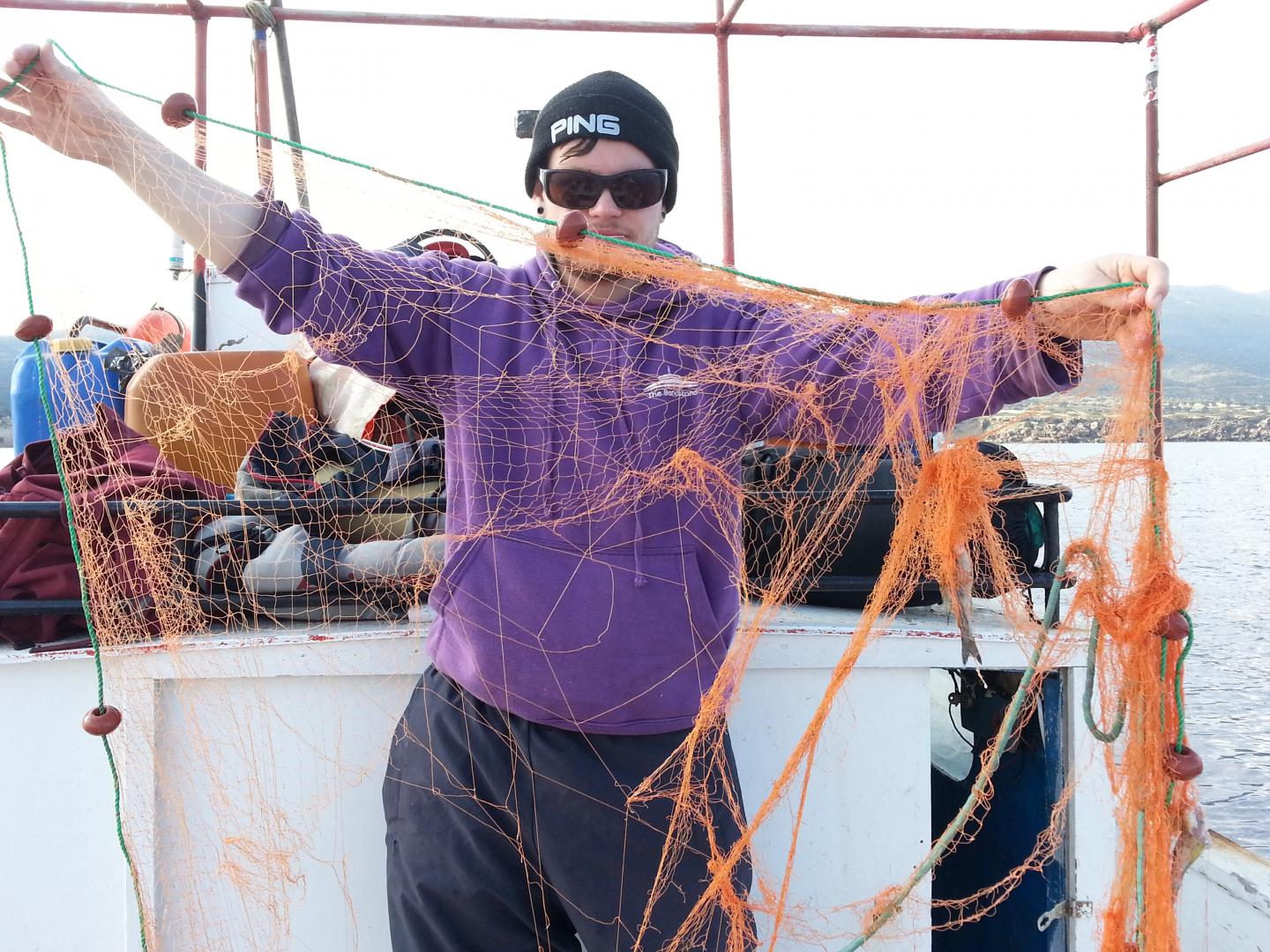
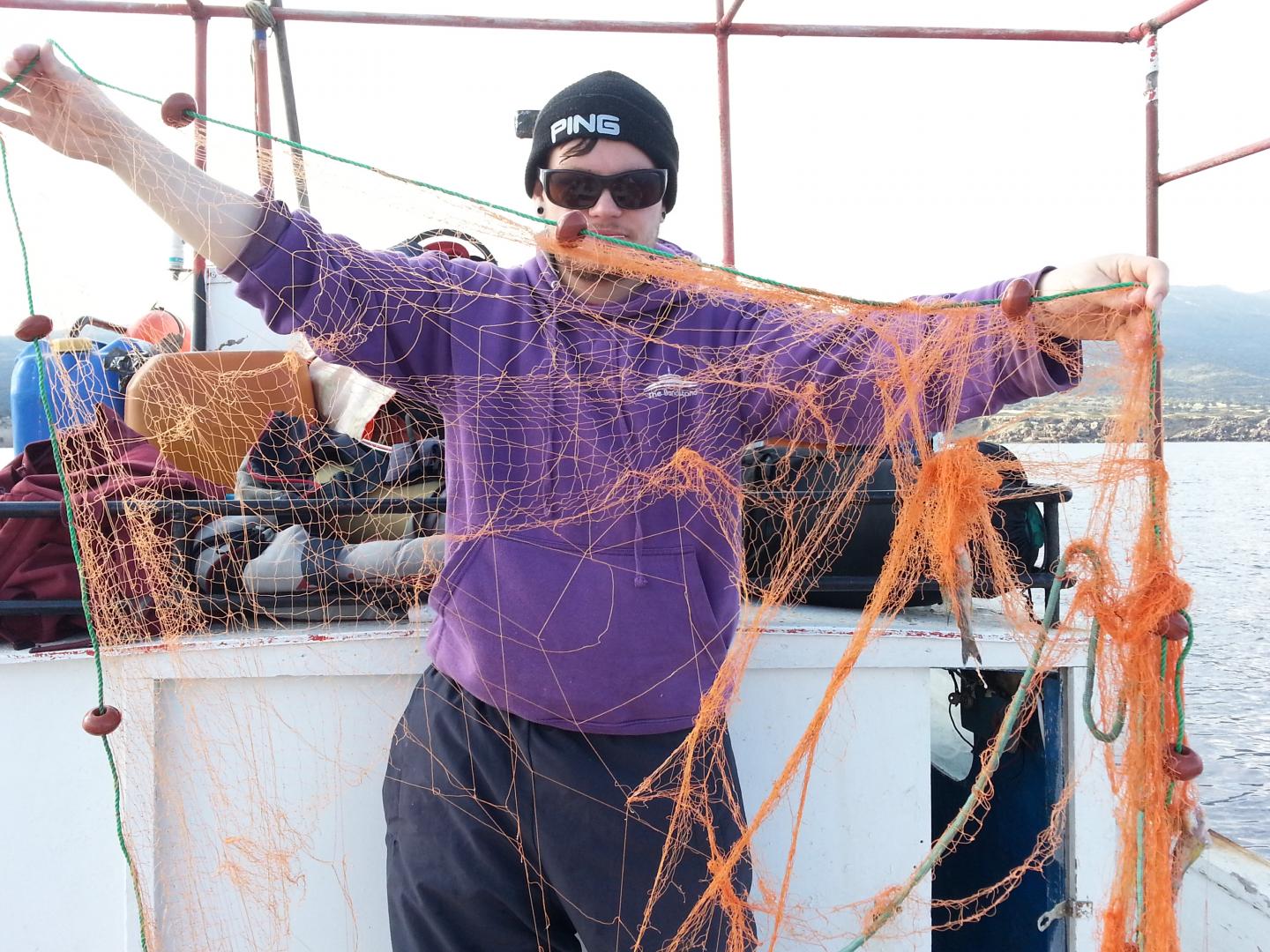
IMAGE

Credit: Robin Snape

Fishing nets suffer six times more damage when dolphins are around – and overfishing is forcing dolphins and fishermen ever closer together, new research shows.

University of Exeter researchers studied the impact of bottlenose dolphins on fisheries off northern Cyprus and said Mediterranean overfishing had created a "vicious cycle" of dolphins and fishers competing for dwindling stocks.

Fishing businesses in the area are mostly small-scale, and the study says damage done by dolphins costs them thousands or even tens of thousands of euros per year.

Acoustic "pingers" designed to deter dolphins were ineffective, and may even have worked as a "dinner bell" to attract them in some cases, the researchers found – though more powerful pingers might work better.

"It seems that some dolphins may be actively seeking nets as a way to get food," said lead author Robin Snape, of the Centre for Ecology and Conservation on the University of Exeter's Penryn Campus in Cornwall.

"This is probably driven by falling fish stocks, which also result in low catches – meaning more nets are needed and higher costs for fishers. "Effective management of fish stocks is urgently needed to address the overexploitation that is causing this vicious cycle."

The nets examined, which are weighted to create a barrier about 1.2m high on the sea floor, are the most common kind used in the Mediterranean. When damaged by dolphins, nets may have large sections missing.

The researchers estimate that about ten dolphins are accidentally caught in the study area each year, but under-reporting by fishermen and possible deaths due to swallowing plastic from nets may mean this is an under-estimate.

Little is known about this population of dolphins, so even apparently small losses may have a serious impact.

###

The research was supported and partly funded by the Society for the Protection of Turtles.

The paper, published in the journal Human Ecology, is entitled: "Conflict between dolphins and a data-scarce fishery of the European Union."

Media Contact

Alex Morrison
[email protected]
44-013-927-24828
@uniofexeter

http://www.exeter.ac.uk

Related Journal Article

http://dx.doi.org/10.1007/s10745-018-9989-7

Share12Tweet8Share2ShareShareShare2

Related Posts

Chlamydomonas chlororibosome reshaped by chloroplast-encoded small subunit extensions

Chlamydomonas chlororibosome reshaped by chloroplast-encoded small subunit extensions

July 27, 2026
Unique sulfatase adaptations enable Akkermansia muciniphila to degrade colonic mucin

Unique sulfatase adaptations enable Akkermansia muciniphila to degrade colonic mucin

July 27, 2026

Moth Wings Detect Smells Using Specialized Chemosensory Structures

July 27, 2026

Sericin directs silk fibroin assembly into ordered nanofibrils, study finds

July 27, 2026
Please login to join discussion

POPULAR NEWS

  • Chlamydomonas chlororibosome reshaped by chloroplast-encoded small subunit extensions

    29 shares
    Share 12 Tweet 7
  • Hybrid Deep Reconstruction Enables Vignetting-Free Upconversion Imaging Through Scattering

    29 shares
    Share 12 Tweet 7
  • Unique sulfatase adaptations enable Akkermansia muciniphila to degrade colonic mucin

    29 shares
    Share 12 Tweet 7
  • Cross-Species Spatial Transcriptomics Reveals Conserved Drivers of Lupus Skin and Hair Loss

    29 shares
    Share 12 Tweet 7

About

We bring you the latest biotechnology news from best research centers and universities around the world. Check our website.

Follow us

Recent News

Chlamydomonas chlororibosome reshaped by chloroplast-encoded small subunit extensions

Hybrid Deep Reconstruction Enables Vignetting-Free Upconversion Imaging Through Scattering

Unique sulfatase adaptations enable Akkermansia muciniphila to degrade colonic mucin

Subscribe to Blog via Email

Enter your email address to subscribe to this blog and receive notifications of new posts by email.

Join 85 other subscribers
  • Contact Us

Bioengineer.org © Copyright 2023 All Rights Reserved.

Welcome Back!

Login to your account below

Forgotten Password?

Retrieve your password

Please enter your username or email address to reset your password.

Log In
No Result
View All Result
  • Homepages
    • Home Page 1
    • Home Page 2
  • News
  • National
  • Business
  • Health
  • Lifestyle
  • Science

Bioengineer.org © Copyright 2023 All Rights Reserved.