Credit: LSU Health New Orleans
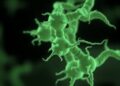
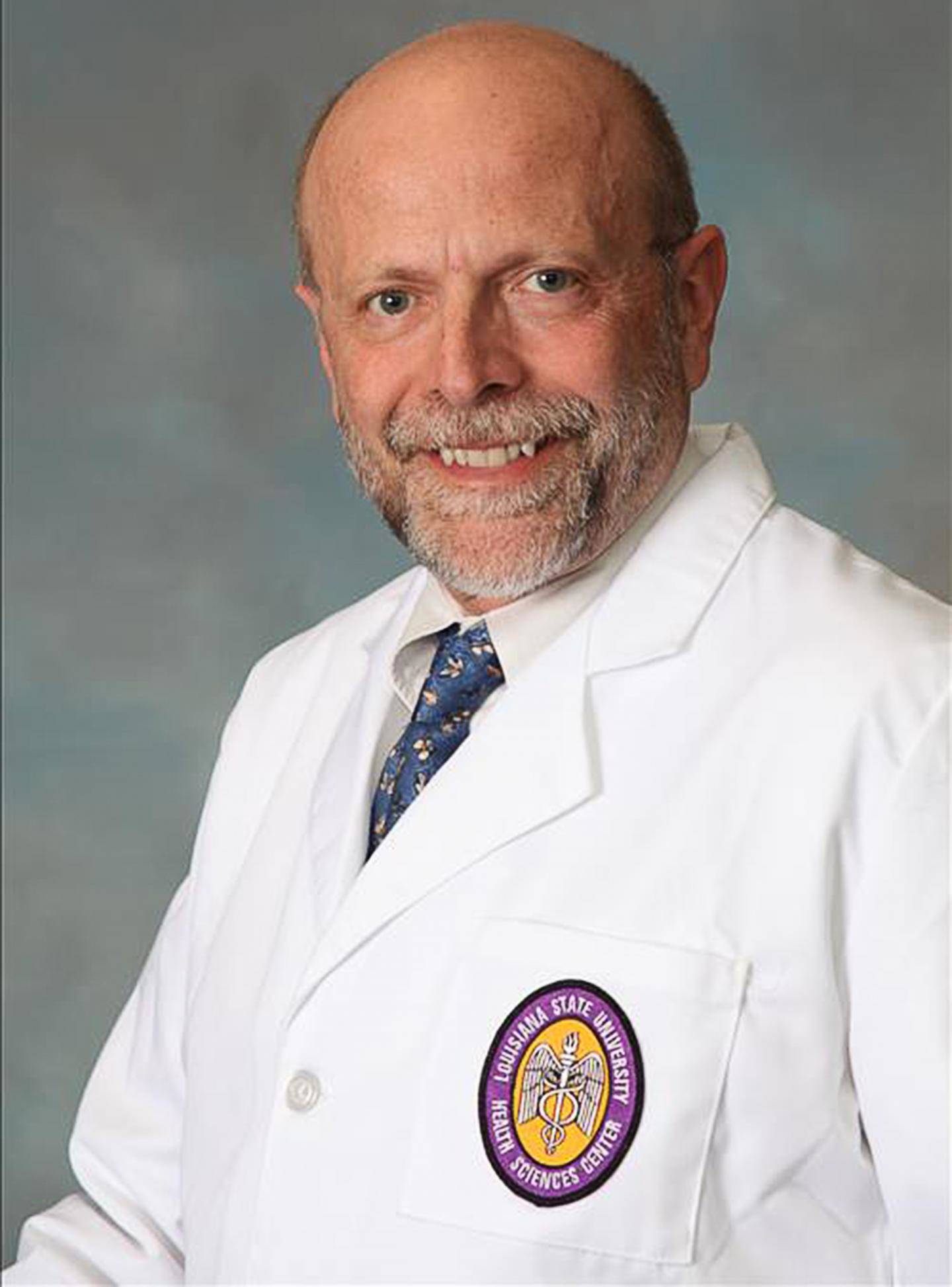
New Orleans, LA – An international team of researchers led by Lucio Miele, MD, PhD, Professor and Chair of Genetics at LSU Health New Orleans School of Medicine, and Justin Stebbing, BM BCh MA, PhD, Professor of Cancer Medicine and Medical Oncology at Imperial College of Medicine in London, has found new genetic mutations that promote the survival of cancer cells. The research also provided a clearer understanding of how some cancer cells are able to resist treatment. The findings are published in PLOS ONE, available here.
"All cancers are caused by genetic damage, mutations to key genes that control the lives of cells," notes Dr. Miele, who also heads LSU Health New Orleans' Precision Medicine Program. "Mutant genes that cancers depend upon for survival are called 'driver' mutations."
The researchers tested genes in 44 cancers that no longer responded to therapy. These are not often tested in clinical practice. The tumor types included breast, lung, colorectal, sarcomas, neuroendocrine, gastric and ovarian, among others. They found that these advanced cancers had selected many new possible "driver" mutations never described before, in addition to drivers already known — the cancers had evolved new driver mutations to become resistant.
No two cancers were genetically identical, even cancers of the same organs that looked the same under a microscope. In some cases, the researchers found evidence that an individual cancer had evolved two or even three drivers in the same gene, a sign that multiple cancer cell clones had evolved in the same tumor that had found different ways of mutating a particularly important gene. Many of these new genetic mutations are in functional pathways that can be targeted with existing drugs.
"These findings imply that genomic testing should be performed as early as possible to optimize therapy, before cancers evolve new mutations, and that recurrent cancers should be tested again, because their driver mutation may be different from those that existed at diagnosis," says Miele.
With this information, therapy could be tailored to the evolving genomic picture of each individual cancer — the hallmark of precision medicine.
"We are working toward a day when we won't have to give a patient the devastating news that a cancer has come back and isn't responding to chemotherapy," Miele concludes.
###
Other members of the research team included Drs. Antonio Pannuti and Chindo Hicks at LSU Health New Orleans Stanley S. Scott Cancer Center and Department of Genetics; Aleksandra Filipovic at Imperial College of Medicine; and Eliot Lefkowitz and Travis Ptacek at University of Alabama at Birmingham School of Medicine.
The research was supported by the National Institute of General Medical Sciences and the National Center for Advancing Translational Sciences.
LSU Health Sciences Center New Orleans educates Louisiana's health care professionals. The state's flagship health sciences university, LSU Health New Orleans includes a School of Medicine, the state's only School of Dentistry, Louisiana's only public School of Public Health, and Schools of Allied Health Professions, Nursing, and Graduate Studies. LSU Health New Orleans faculty take care of patients in public and private hospitals and clinics throughout the region. In the vanguard of biosciences research in a number of areas in a worldwide arena, the LSU Health New Orleans research enterprise generates jobs and enormous economic impact. LSU Health New Orleans faculty have made lifesaving discoveries and continue to work to prevent, advance treatment, or cure disease. To learn more, visit http://www.lsuhsc.edu, http://www.twitter.com/LSUHSCHealth or http://www.facebook.com/LSUHSC.
Media Contact
Leslie Capo
[email protected]
504-568-4806
@LSUHealthNO
http://www.lsuhsc.edu/