• HOME
  • NEWS
  • EXPLORE
    • CAREER
      • Companies
      • Jobs
    • EVENTS
    • iGEM
      • News
      • Team
    • PHOTOS
    • VIDEO
    • WIKI
  • BLOG
  • COMMUNITY
    • FACEBOOK
    • INSTAGRAM
    • TWITTER
Saturday, February 7, 2026
BIOENGINEER.ORG
No Result
View All Result
  • Login
  • HOME
  • NEWS
  • EXPLORE
    • CAREER
      • Companies
      • Jobs
        • Lecturer
        • PhD Studentship
        • Postdoc
        • Research Assistant
    • EVENTS
    • iGEM
      • News
      • Team
    • PHOTOS
    • VIDEO
    • WIKI
  • BLOG
  • COMMUNITY
    • FACEBOOK
    • INSTAGRAM
    • TWITTER
  • HOME
  • NEWS
  • EXPLORE
    • CAREER
      • Companies
      • Jobs
        • Lecturer
        • PhD Studentship
        • Postdoc
        • Research Assistant
    • EVENTS
    • iGEM
      • News
      • Team
    • PHOTOS
    • VIDEO
    • WIKI
  • BLOG
  • COMMUNITY
    • FACEBOOK
    • INSTAGRAM
    • TWITTER
No Result
View All Result
Bioengineer.org
No Result
View All Result
Home NEWS Science News Biology

A scientific study characterizes two new Galician olive varieties for the first time

Bioengineer by Bioengineer
March 23, 2018
in Biology
Reading Time: 2 mins read
2
Share on FacebookShare on TwitterShare on LinkedinShare on RedditShare on Telegram
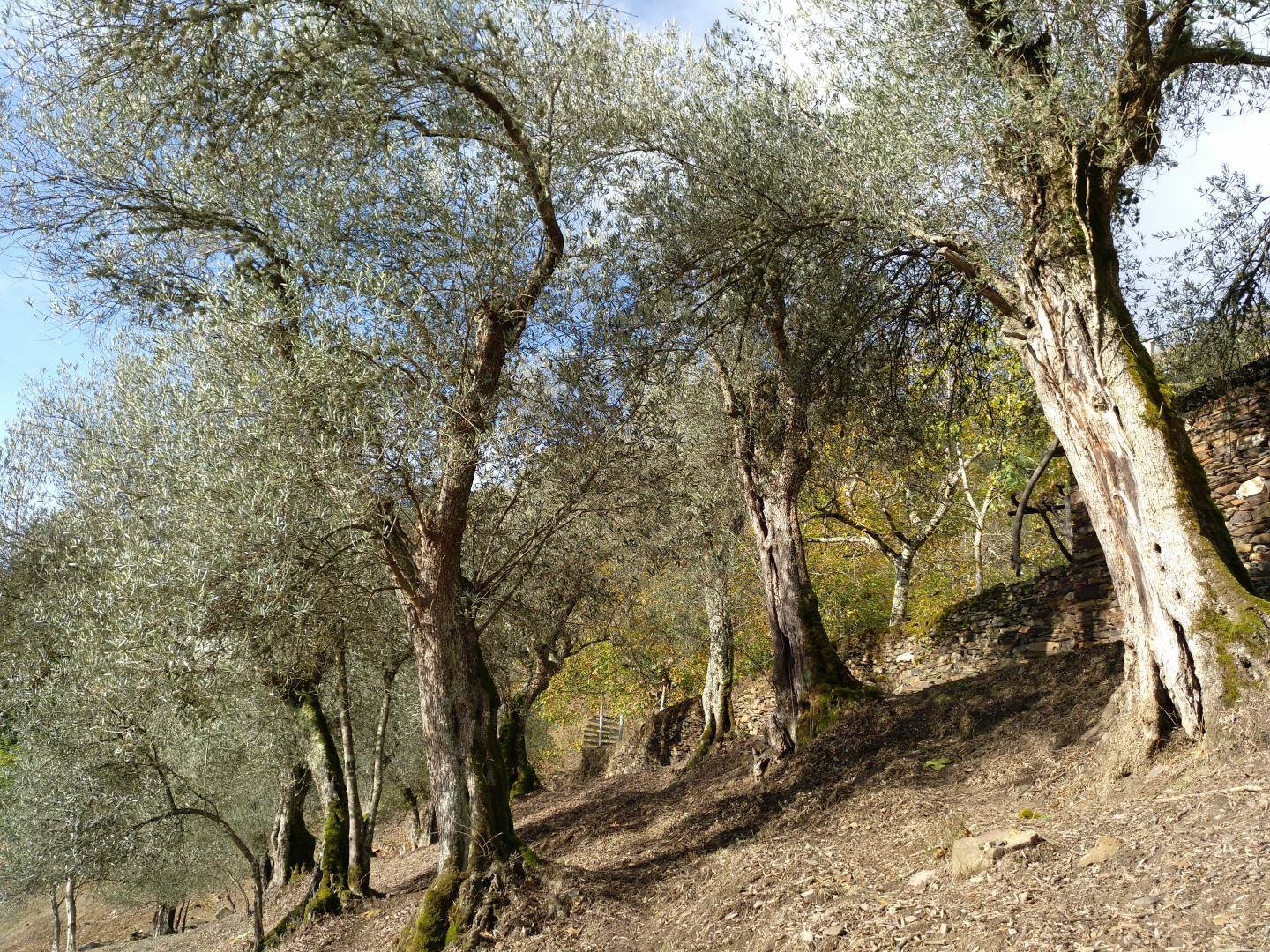
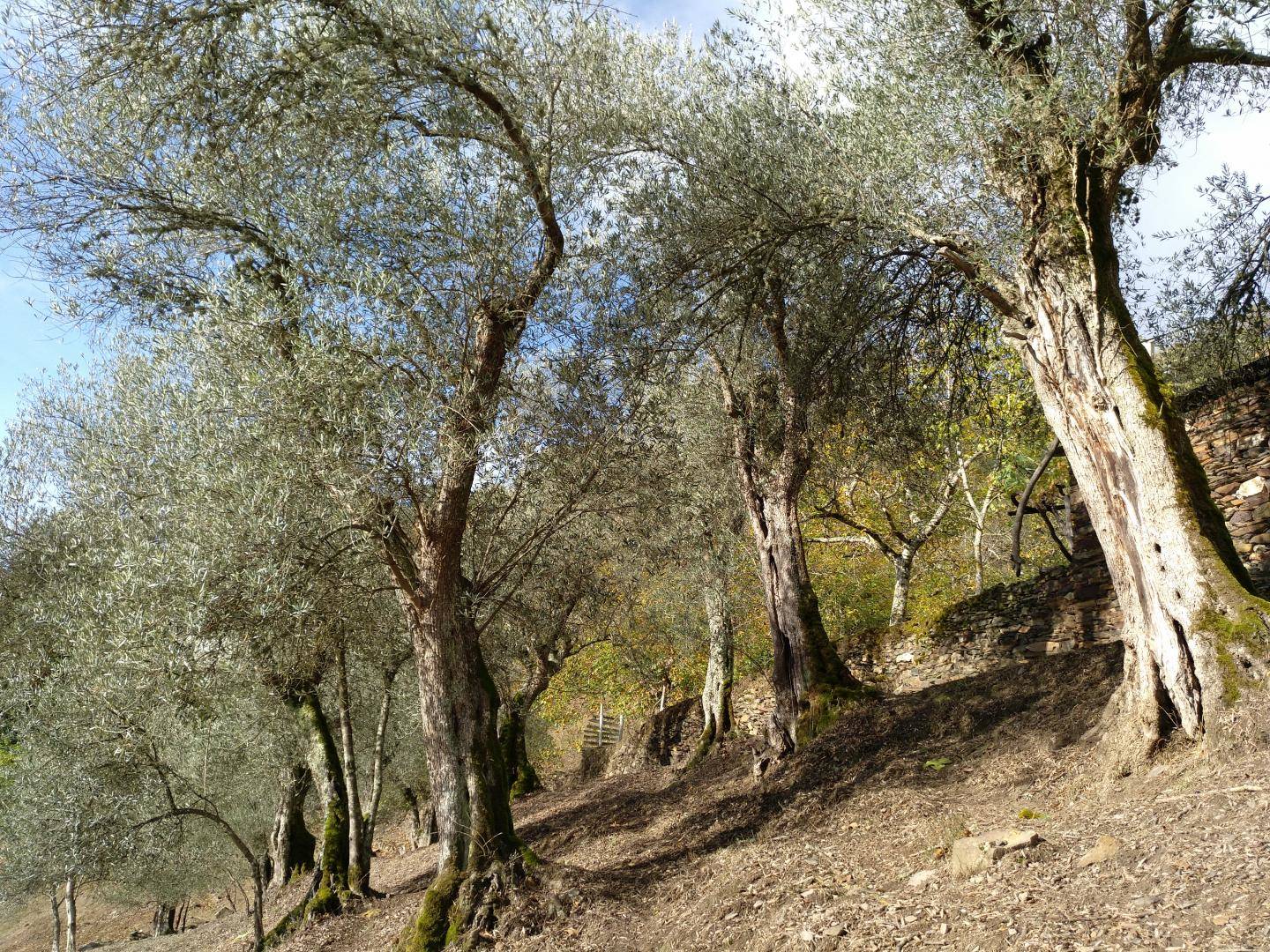
IMAGE

Credit: Carmen González-Barrerio, Beatriz Cancho-Grande.

Olive oil is a key element and one of the main sources of fat in the Mediterranean diet. Olive oil is remarkable for its nutrients and Spain has the honor of being the number one producer of this "liquid gold." Though most Spanish olive oil production takes place in Andalusia, over the last few years other regions within Spain have begun to produce high quality olive oil, using their own varieties native to those regions.

One example is Galicia, a region home to two indigenous olive varieties called Brava and Mansa. These two varieties are well-adapted to the Galician climate, which differs in amount of rainfall and sunlight. Now, for the first time, a scientific study in which the University of Cordoba (UCO) worked with the AA1 research team from the Nutrition and Food Science Department at the University of Vigo, the varieties in this northeastern region of Spain have been cataloged and the olive oil produced by these varieties has been characterized.

To do so, an identification protocol was used. This protocol was based on 11 morphological markers and 14 molecular markers (DNA). This protocol was previously improved upon by the University of Cordoba and successfully used in the identification of the Olive Tree Germplasm Bank in Cordoba. This bank is one of the largest collections in the world and currently boasts over 800 varieties from 23 countries.

As pointed out by Isabel Trujillo Navas, the researcher from the University of Cordoba participating in the research project, "the knowledge we have about the characteristics of Galician olive oil is scarce and up to now no systematic characterization had been done on this topic."

The results provide the basis on which identifying similarities and differences among the varieties can continue in the future. They also show the high potential that could be used to improve approaches to farming. In addition, though olive tree farming "is not traditional nor does it take place in the best of conditions" in Galicia, olive oil obtained from these varieties "shows potential and is good quality." These kinds of olive oil are genetically different and unique "from an organoleptic and functional point of view."

Dr. Trujillo is part of the AGR-157 group from the Agricultural Engineering Department at the University of Cordoba. She announced that shortly the results from this research project will be presented to the Galician olive production sector. This project has allowed "the creation of multidisciplinary groups composed of researchers at the University of Cordoba as well as researchers from other entities and scientific fields." Moreover, this research will continue over the next few months and has opened the door to "producing unique new olive oils and diversifying the national and international markets."

###

References:

Reboredo-Rodríguez, P; Gonzalez-Barreiro, C; Cancho-Grande, B; Simal-Gandara, J; Trujillo, I. Genotypic and phenotypic identification of olive cultivars from north-western Spain and characterization of their extra virgin olive oils in terms of fatty acid composition and minor compounds. Scientia Horticulturae. Volume 232, 17 February 2018, Pages 269-279

Media Contact

Elena Lázaro Real
[email protected]
34-957-212-252
@univcordoba

http://www.uco.es

Share12Tweet8Share2ShareShareShare2

Related Posts

Florida Cane Toad: Complex Spread and Selective Evolution

Florida Cane Toad: Complex Spread and Selective Evolution

February 7, 2026
New Study Uncovers Mechanism Behind Burn Pit Particulate Matter–Induced Lung Inflammation

New Study Uncovers Mechanism Behind Burn Pit Particulate Matter–Induced Lung Inflammation

February 6, 2026

DeepBlastoid: Advancing Automated and Efficient Evaluation of Human Blastoids with Deep Learning

February 6, 2026

Navigating the Gut: The Role of Formic Acid in the Microbiome

February 6, 2026
Please login to join discussion

POPULAR NEWS

  • Robotic Ureteral Reconstruction: A Novel Approach

    Robotic Ureteral Reconstruction: A Novel Approach

    82 shares
    Share 33 Tweet 21
  • Digital Privacy: Health Data Control in Incarceration

    63 shares
    Share 25 Tweet 16
  • Study Reveals Lipid Accumulation in ME/CFS Cells

    57 shares
    Share 23 Tweet 14
  • Breakthrough in RNA Research Accelerates Medical Innovations Timeline

    53 shares
    Share 21 Tweet 13

About

We bring you the latest biotechnology news from best research centers and universities around the world. Check our website.

Follow us

Recent News

Evaluating Pediatric Emergency Care Quality in Ethiopia

TPMT Expression Predictions Linked to Azathioprine Side Effects

Improving Dementia Care with Enhanced Activity Kits

Subscribe to Blog via Email

Success! An email was just sent to confirm your subscription. Please find the email now and click 'Confirm' to start subscribing.

Join 73 other subscribers
  • Contact Us

Bioengineer.org © Copyright 2023 All Rights Reserved.

Welcome Back!

Login to your account below

Forgotten Password?

Retrieve your password

Please enter your username or email address to reset your password.

Log In
No Result
View All Result
  • Homepages
    • Home Page 1
    • Home Page 2
  • News
  • National
  • Business
  • Health
  • Lifestyle
  • Science

Bioengineer.org © Copyright 2023 All Rights Reserved.